What Makes THCA for Sleep Different From Standard THC Sleep Products
The primary distinction exists in how the molecules are arranged and in the observation that the substance is not responsible for altering the cognitive condition of a person when heat is absent. In standard items for use at night, like gelatinous sweets, fluids or inhalation devices, the Delta-9 THC exists in a state that is currently functional. It connects to the CB1 receptors that are located inside the brain and it is the cause for a feeling of high energy and extreme joy. For multiple people, this condition is identifiable by the absence of pressure in the muscles but for other people, it prevents the stage of sleep where eyes move quickly or it is the reason for a heavy and sluggish feeling during the next day. THCA is not the same because it possesses a carboxyl group which is extra. By having this physical shape, the molecule is unable to bind to the identical sections of the nervous system. When a person swallows the substance in the state that is natural, like juice from the plant, particular types of concentrated liquids or small dissolvable shells, it offers the attributes that help with the comfort of the body and the wellness of the system without changing the way the brain works. As a consequence it is possible for you to add this substance to your routines before you go to bed while your consciousness is stable and not different.
THCA vs THC - Which Is Stronger for Sleep and What the Difference Actually Means
In the context of cannabis, how people define the potency of a substance depends on their personal needs. It is a matter of if a person wants to lose all physical movement or reach a low level of relaxation. If "stronger" is a description of a fast and strong transition into sleep then THC that is active through heat is the most effective substance. It is a chemical that alters the activity of the brain and causes the muscles to stay in a loose plus still state - but if "stronger" is a description of an even reduction in physical tension that does not change how the mind thinks then THCA is the more effective choice. To distinguish between those substances is to choose between a sleep that chemicals start and a rest that biological processes support. For individuals who require a high amount of physical ease to fall asleep but want to avoid the sensation of "weed hangover" when they wake up, the specific and observable qualities of THCA are frequently more functional.
Best Raw Hemp Flower for Nighttime - How Strain Selection Shapes the Nighttime Experience
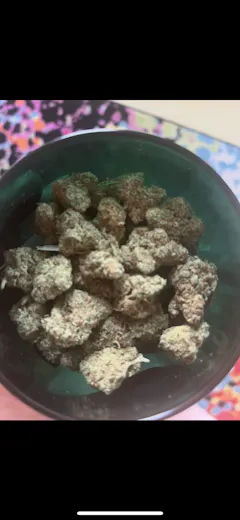
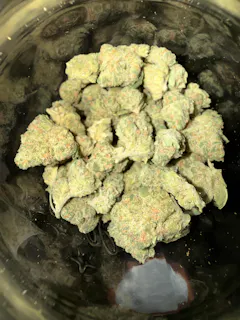
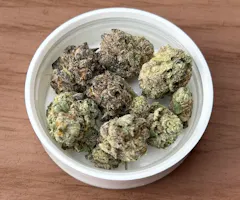
When a person chooses raw hemp, the quality of the plant material changes based on the ancestral history of that plant. If a person analyzes raw cannabinoids, it is evident that the quantity of cannabinoids is only one component of the plant structure. Cultivars that possess wide leaves "indica" are planted because they result in a physical sensation of weight and a lack of tension. As a person eats this flower while it is raw, stirs it into a liquid or soaks it in hot water, the material does not transform into active THC - but the extra chemical compounds in the hemp are the cause for the bodily changes that happen. To choose a variety for use during the night, a person is required to evaluate information beyond the data from the harvest. By prioritizing the smell and the biological heritage of the plant, a person is able to manage how the body becomes less tense during the evening.
What Terpene Profiles in the Best Nighttime Cultivars Actually Drive the Effect
Terpenes are the essential oils that define the aroma and the physiological impacts of cannabis. When you look for high quality raw flowers for use during the evening, it is effective to choose plants that have high concentrations of myrcene, linalool plus caryophyllene. Myrcene is a chemical that exists in mangoes and hops but also it has a scent that is similar to earth or musk. It is recognized because it allows muscles to become less tense and it causes the body to feel weighted. Linalool is the identical chemical that is in lavender, which people frequently use so that they can decrease their stress levels. It works with raw cannabinoids to calm thoughts that move at a high speed or cause anxiety before an individual goes to sleep. At the same time caryophyllene creates an aroma that is similar to timber or pepper as well as it attaches to CB2 receptors in the body. By interacting in this way, it decreases the tension in the muscles and the discomfort in the joints - those primary terpenes create a significant "entourage effect". And this mixture transforms standard raw hemp into a product that is intended to be tranquil or soothing at night.
How to Choose a THCA Flower Specifically Built for Winding Down at Night
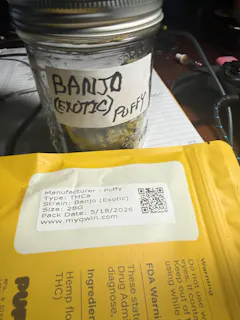
When a person selects varieties of a plant, the chemical composition should contain high concentrations of myrcene and linalool - those molecules interact with THCA to lower activity within the central nervous system. It is a fact that THCA does not bind strongly to CB1 receptors while the substance remains raw - but if a person inhales the material through smoking or vaporization, heat converts the THCA into Delta-9 THC. To reach a state where the body is prepared for sleep, the plant must have a specific chemical structure. By using myrcene the body increases the speed at which molecules move through the blood brain barrier. And as this occurs, cannabinoids move into the brain more effectively. With the presence of linalool, the body alters the behavior of adenosine receptors and reduces the amount of glutamate. For the brain glutamate is a chemical that increases excitement and activity. There is a collective result from those components that reduces the speed at which neurons send signals. Because of this reduced rate of activity, the body enters into extended periods of NREM sleep.
THCA Sleep Gummies - Why the Gummy Format Is Leading This Category
When a person consumes a gummy, the liver processes cannabinoids so that they enter the system at a slow rate and in a form that is efficient for biological use. It is a frequent occurrence that this sequence of events maintains the activity of receptors for the full duration of a person's sleep. If a person swallows THCA or THC from a heated gummy, the substance does not reach the blood through the lungs at the high speed that occurs during inhalation. The substance enters the digestive tract and the liver metabolizes it first. In the liver enzymes that are known as cytochrome P450 convert THC into 11-hydroxy-THC - this metabolite is potent because it binds to CB1 receptors in the central nervous system with more ease than the initial molecule. Because of this chemical change, the effects begin after a delay of 45 - 90 minutes but the effects remain present for a period that lasts between 6 and 8 hours. As those biological processes occur, the timing of the substance is comparable to the structure of a complete night of sleep. Because the effects last for this many hours, it is less likely that a person will wake up during the night than if they used methods that are faster to start and faster to conclude.
THCA Gummies for Sleep vs Standard THC Sleep Gummies - What's Different Inside
In THCA gummies, the substance is the acidic precursor to THC. It is not psychoactive and it interacts with the endocannabinoid system in a specific way unless heat changes its chemical structure - but standard THC gummies are different because they contain Delta-9 THC in an active form. By direct binding, it attaches to CB1 receptors in the brain. And this process creates effects that are psychoactive and sedative. Due to its structure, raw THCA is a molecule with a carboxyl group that is large plus three dimensional. As this group is present, the molecule does not fit into the CB1 receptor. On a cellular level, raw THCA works mainly through CB2 receptors in the body and it changes how TRP ion channels function. On that account it stops COX-1 & COX-2 enzymes from working. With this inhibition, it reduces sleep problems that result from inflammation. There is a biological difference between those two substances. If a person uses raw THCA, the substance provides benefits that are anti inflammatory and do not cause intoxication. To relax the body for sleep is the primary function of THCA. When a person uses standard THC, the substance causes the central nervous system to slow down.
How to Find the Right THCA Sleep Gummies Dose Without Overdoing It
To begin you consume a small quantity of 5 - 10 milligrams - it is important to observe the physical reaction of the body before the quantity increases. When individuals use cannabinoids for sleep, they use the biphasic effect. In pharmacology this is the process where small quantities and large quantities of a substance result in physical outcomes that are opposite. For many individuals, small or medium quantities of cannabinoid compounds are chemicals that lower anxiety and result in sleepiness. In this state the compounds assist the movement of GABA - this chemical makes the central nervous system calm - but if a person consumes more than a specific limit, the sympathetic nervous system is active. As this happens the heart beats at a high rate and anxiety increases. By this process the stages of sleep are interrupted. Due to the fact that the time for the stomach to empty and the levels of CYP enzymes are different in every person, a slow increase in the quantity is required. With this method you identify the exact balance of how the substance moves through the body. If you reach this point, the chemicals in the brain start the sleep process. And you do not provide excessive stimulation to the receptors that cause alertness.
THCA vs THC - Which Is Stronger for Sleep and How Do You Choose?
By its chemical properties, THC acts with high intensity when an individual requires the onset of sleep to happen in a short duration - this occurs because the molecule attaches to CB1 receptors with ease - but THCA is a more suitable selection when an individual needs to lower the swelling of tissues so that the body can repair itself during a period of rest. It is a fact that the decision to use THCA or THC depends on the specific biological functions that the body of a person needs. As a partial agonist, Delta-9 THC functions at the CB1 receptor to decrease the levels of substances that increase alertness, like histamine, serotonin and acetylcholine. By lowering the presence of those substances, THC assists a person to begin the process of sleeping quickly. There is a difference with THCA because it does not attach to receptors in a manner that results in an altered state of consciousness. If the absence of sleep happens because of bodily pain or the swelling of tissues, THCA in its raw form establishes a balanced condition for the body to recover without changing how the mind functions. If the primary cause for the inability of a person to sleep is a state where the brain is very active or thoughts move rapidly, the manner in which decarboxylated THC attaches to CB1 receptors is the method that functions with more success according to scientific data.