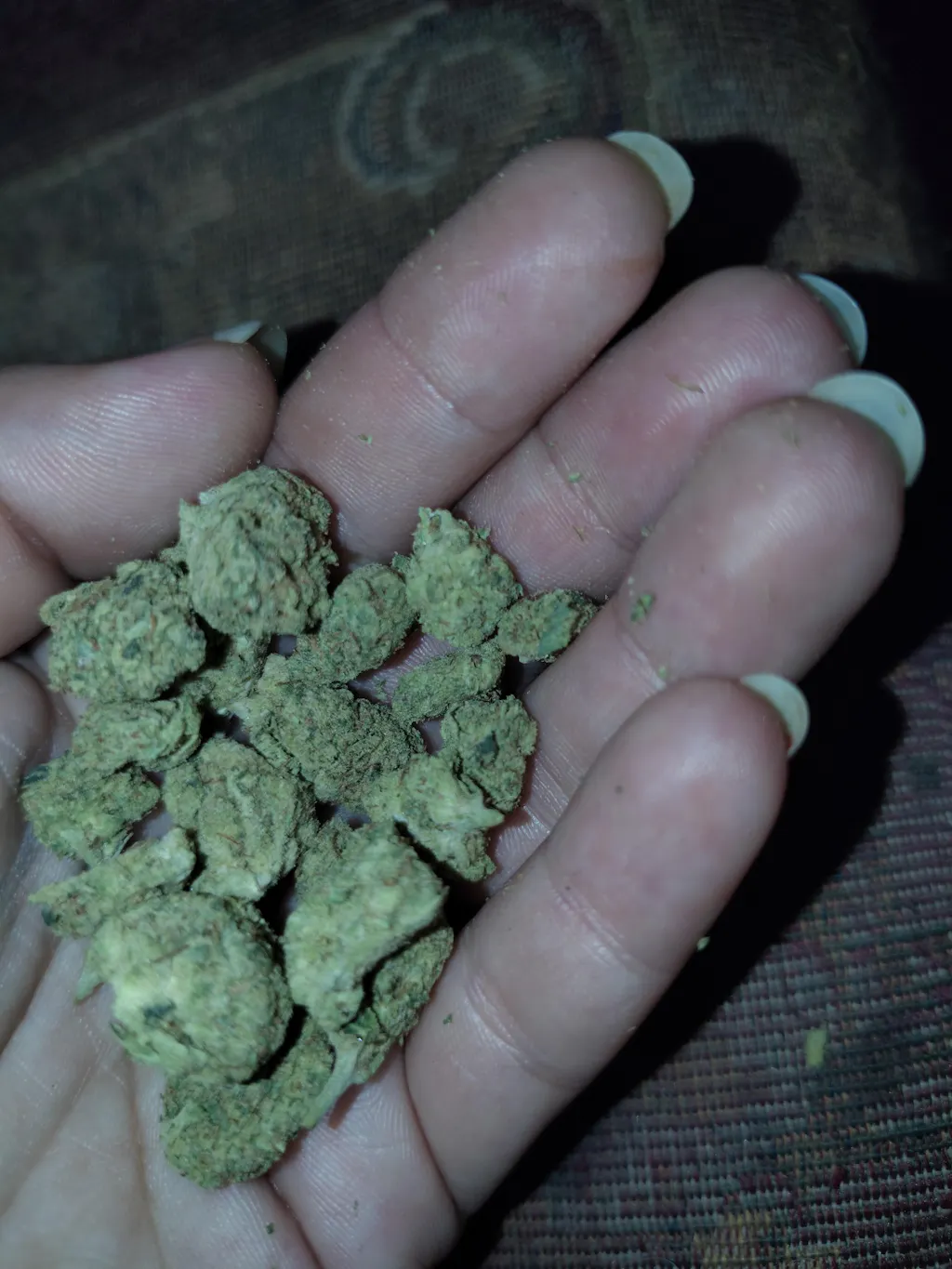
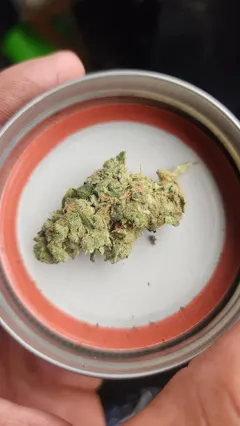
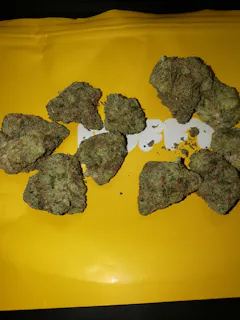
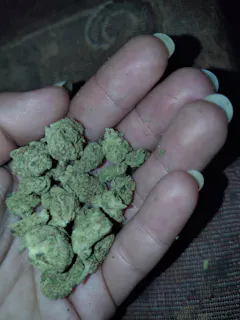
What Makes THCA for Focus Different From Standard THC Focus Products
The molecular structure is the cause for the effects of this compound because it does not produce the typical outcomes of consumption that result in a lack of physical or mental coordination. Standard products with THC bind to CB1 receptors in the brain and central nervous system even when a person takes amounts that are not large. For many users this binding process is the reason for internal changes that move their state from a condition where they complete work to a condition where their attention is divided. THCA is larger in physical size because it contains an extra carboxyl ring. It is unable to bind to those receptors in a way that creates a state where the senses are altered. The compound is active throughout the body to lower the swelling and heat of tissues, which is a condition that frequently causes the mind to feel tired. And it provides a way to keep the nervous system safe from damage. As a result the substance supports the internal processes that are necessary for long periods of concentration instead of requiring a person to manage the effects of a slight intoxication with caffeine.
Raw Cannabinoids for Concentration vs Regular THC - What Experienced Users Notice First
As people who use cannabis often replace decarboxylated THC with raw cannabinoids for the purpose of concentration, they observe that their cognitive state is sharp and attentive. It is frequent for those individuals to state that the sensation of being tired which follows use is absent. In many instances, standard THC causes a person to feel lethargic and lacking in physical energy after the primary effects diminish, which is significant during work hours. To proceed with their responsibilities, they frequently require additional doses or caffeine - but raw THCA provides a consistent level of energy that is without sudden changes or negative side effects. When individuals use this substance, they do not perceive that their mental state is altered. They are fully conscious of the environment and they are able to perform duties that are complex or require logical reasoning. If they use THCA, they do not experience a lack of focus or the difficulties with short term memory that happen with decarboxylated THC.
Best THCA Strains for Energy and Focus - How Strain Selection Changes Everything
In many situations, agricultural workers use different methods to grow raw flowers when they aim for high levels of productivity and physical movement. As THCA exists to support clear mental processes, the specific strain is the factor that determines how an individual applies that energy. On this basis growers are currently breeding hemp phenotypes that are sativa dominant so that they produce large quantities of THCA. And they do this while they maintain the characteristics that cause a person to feel more energetic and optimistic. If a person selects an indica strain with wide leaves, the plant is still able to cause a person to feel sleepy or relaxed even when it contains high levels of THCA. To find the THCA strains that are most useful for focus and endurance, a person must look for plants with thin leaves that have a record of assisting people who produce work and exercise. By doing this the grower is certain that the raw cannabinoid is a component of a plant structure that promotes physical activity.
What Terpene Profiles in the Best THCA Strains for Energy and Focus Actually Drive the Effect
The entourage effect is the process where aromatic compounds influence how the mind responds to cannabis. In strains with high THCA levels that increase activity and focus, the terpene profile makes the effects of the cannabinoid more distinct. Limonene is a compound that possesses a strong citrus odor plus it is a substance that elevates mood while it reduces mental blocks caused by tension. Pinene is a compound that has a scent like an evergreen forest and it also functions to widen the airways. To help the body it increases the flow of air into the lungs but also the supply of oxygen to the brain. And this terpene is also a resource that assists the mind when it stores information. When large quantities of raw THCA are present with a mixture of Limonene, Pinene besides Terpinolene, which has a piquant smell and encourages action, the combination is a biological mechanism. For people who must complete tasks according to a schedule as well as maintain an exact level of concentration, those compounds are useful.
How to Read a THCA Strain Profile Before Committing to a Focus-Oriented Formula
To understand the profile of a THCA strain, a person analyzes the interactions between acidic cannabinoids and the terpene chemovar. When a person evaluates a botanical profile, they examine factors beyond the concentration of raw tetrahydrocannabinolic acid. For the effects on the brain, the endocannabinoid system is the primary pathway. By this process aromatic compounds change how THC binds to the CB1 receptors that are in the central nervous system. If a profile is for attention, the concentrations of alpha pinene and limonene are high. As alpha pinene functions, it prevents acetylcholinesterase from being active. In this way the molecule stops the breakdown of acetylcholine in the brain - this neurotransmitter is a substance that is necessary for the brain to store memories, to learn plus to maintain attention for long periods. According to research on cannabinoid synergy, an analysis of this terpene cannabinoid matrix is a requirement to predict the outcomes for the body and the brain.
Sativa THCA Flower for Focus - Why Sativa Dominants Lead This Category
In Sativa dominant THCA strains, the chemical components increase the activity levels of the central and sympathetic nervous systems. To understand how those plants affect human biology, researchers observe that Sativa types contain a specific balance of cannabinoids and monoterpenes that cause the body to become more active. When heat converts THCA into Delta-9 THC, the molecule binds to CB1 receptors that are present in the prefrontal cortex - this area of the brain is where a person manages decisions, maintains attention plus performs executive functions. Sativa profiles are low in myrcene, which is a terpene that crosses the blood brain barrier and makes a person feel tired - affecting GABA receptors. As Sativa plants raise dopamine levels, the person stays awake and the brain receives more oxygen. Due to the chemical interactions, the nerves send signals in a specific pattern. And the central nervous system does not experience a slow response, which is the reaction that occurs when a person uses wide leaf plants that contain high levels of myrcene.
How Sativa THCA Flower for Focus Differs From Indica or Hybrid THCA Options
As substances affect the pathways for excitation and inhibition in the brain in various ways, differences exist between products. In products with a high concentration of THCA that are classified as Indica, caryophyllene, linalool and myrcene are present in large amounts - those compounds attach to CB2 receptors plus they make GABAergic activity more frequent, which makes nerve signals move at a slower rate. Because of this process, the body is in a state where the muscles are loose and it is easier for a person to fall asleep - but Sativa THCA flower is composed of different chemicals that attach more firmly to 5-HT1A serotonin receptors. It makes the amount of dopamine in the basal ganglia higher, which makes the nerves act with more frequency. Hybrid profiles are used when producers try to create a state that is between those two paths in the nervous system. By the combination of the effects, the body often has a reaction in two parts where an increase in brain activity happens first and is followed by a time when the body is tired. For a person to keep their mental focus at an even level, the Sativa chemical process is useful because it is without this decline in two parts. On this path the brain is provided with a constant supply of excitatory neurotransmitters, which keeps the neural connections in a state that is active but also able to respond.
What to Look for When Choosing a Sativa THCA Flower Specifically for Daytime Focus
In a professional context, people who buy products need to ask for a certificate of analysis - this document shows that the material has a high amount of THCA and many terpenes like pinene, limonene and terpinolene. If an individual intends to stay focused during daylight hours, they need to lower the state where thoughts are slow and unclear - this state happens when cannabinoids activate receptors at a high level. When terpinolene functions as an allosteric modulator with THC, it guides the mental results toward a condition where the mind is clear and alert rather than a condition where the person feels sleepy. And because limonene is in the mixture at a high level, it produces results that decrease the feeling of worry. It does this - acting on adenosine receptor pathways. By using this specific pathway, the limonene ensures that the activation of the central nervous system does not cause the heart to beat at a rapid speed or cause the body to shake. To keep this result, the buyer must check that the chemicals in the product are not in a state of decay. As an example THCA turns into Cannabinol (CBN) when it reacts with oxygen. CBN is a chemical that makes people want to sleep. On the condition that the plant material is fresh, it provides a specific and predictable level of activity in the endocannabinoid system - this activity is useful for the goal of finishing tasks that are part of a job during the day.
What Separates Quality THCA Focus Products From Generic Options on the Market
In the manufacturing of THCA items for cognitive concentration, producers describe quality by how they keep trichome heads intact after a harvest and sustain a documented, natural chemical profile. It is a frequent occurrence for standard items to decrease in value because they experience fast heat induced conversion and lose evaporative aromatic compounds in inadequate drying surroundings. As those changes happen, they eliminate the chemical foundations that a human body requires for mental attention. For high grade THCA items, makers employ low temperature aging methods to shield the fragile resin glands. By applying the systems, they hold the acidic cannabinoids plus small molecule oils in their initial molecular shapes - this preservation of the cellular material is essential for the item to work. If the particular proportions of substances like alpha pinene & THCA do not meet at the gap between nerve cells at once, the physical pathways for memory, brain cell flexibility and nerve cell defense are not active. Because of this chemical degradation, the result is not a condition of mental sharpness but is a state where the person is distracted and feels common mind altering sensations.