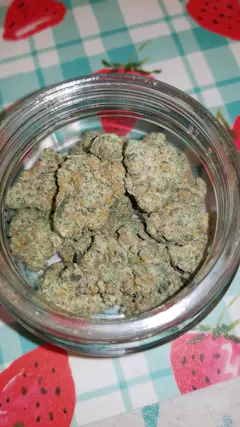
THCa Flower Explained: Why It Exists and What You Are Actually Buying
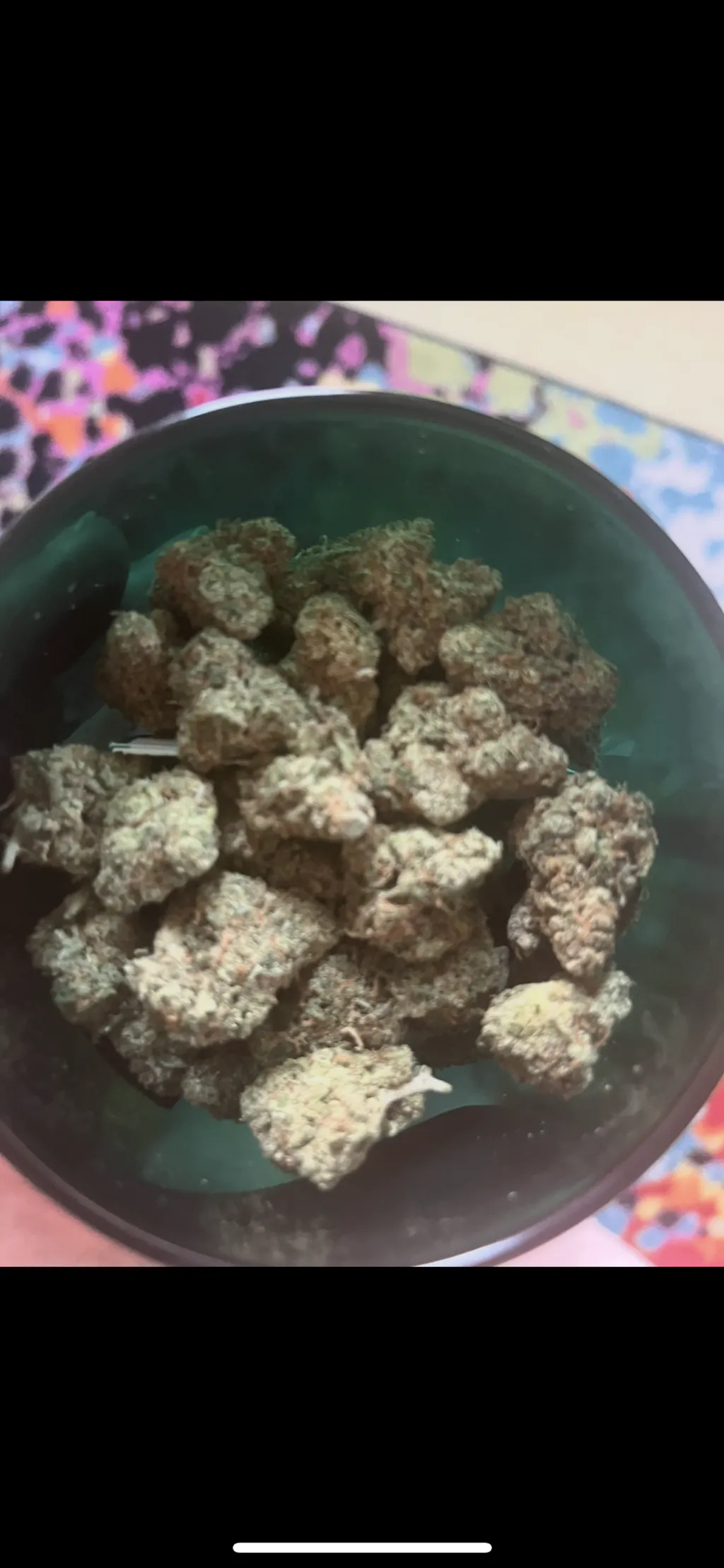
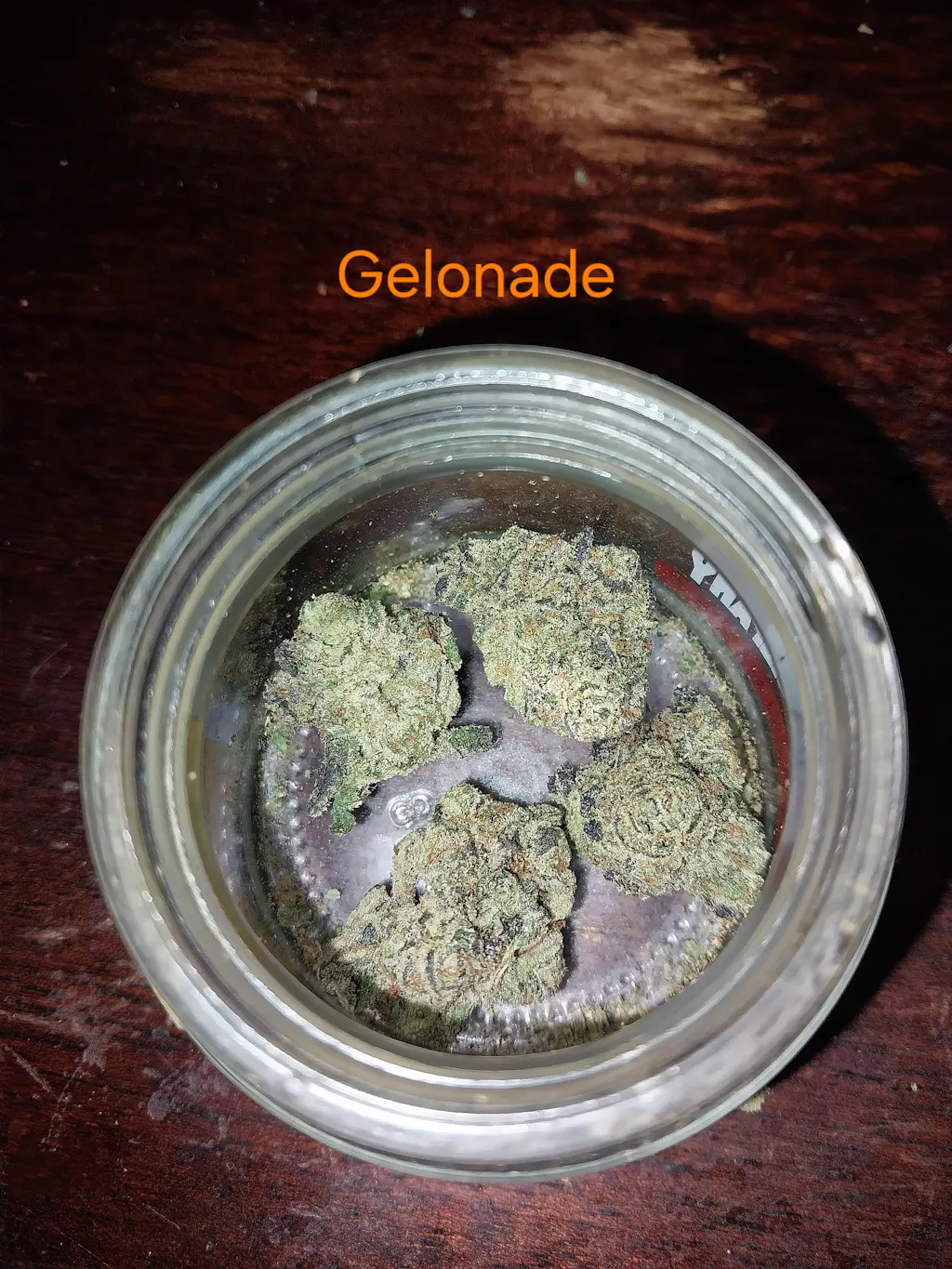
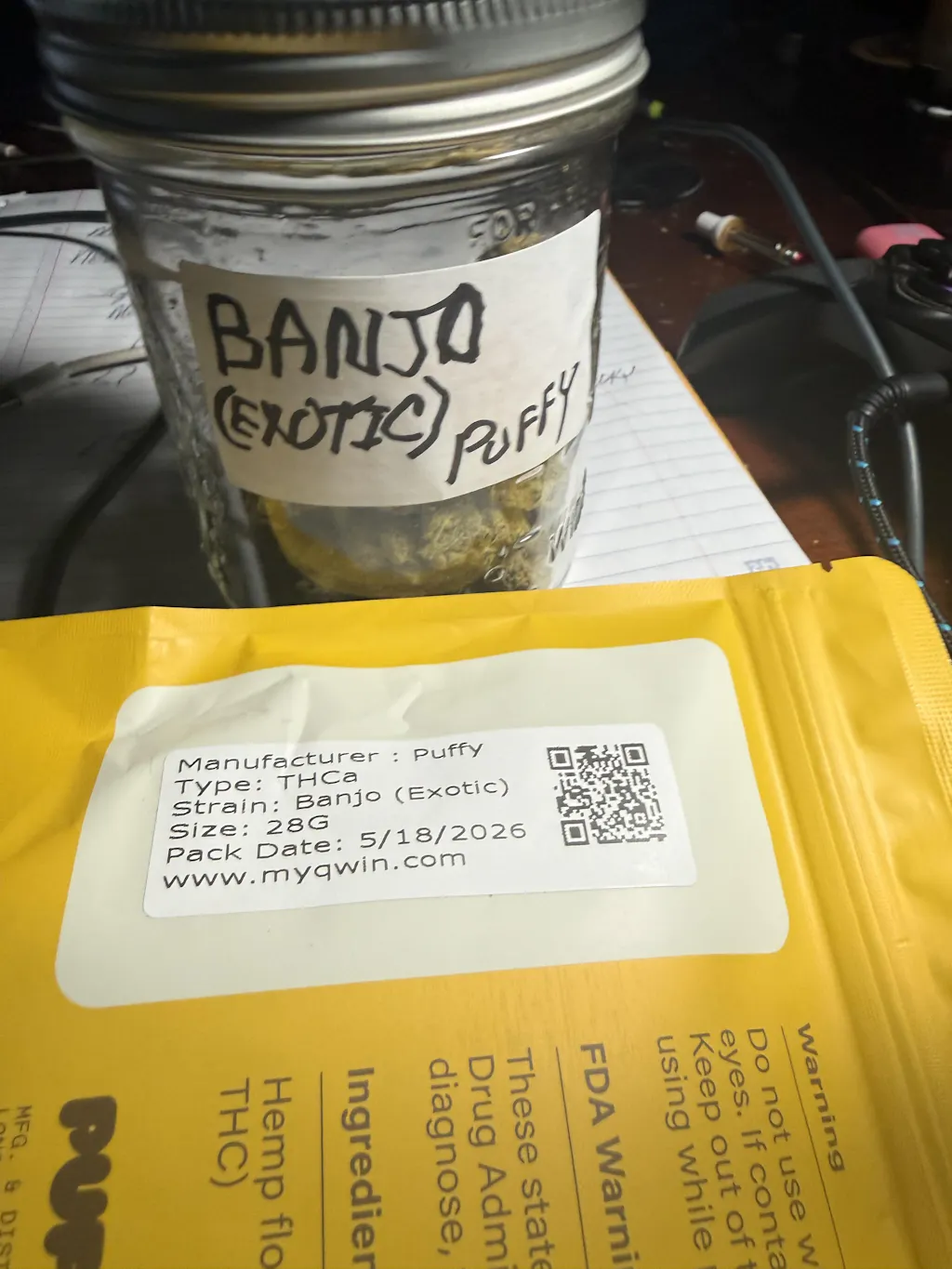
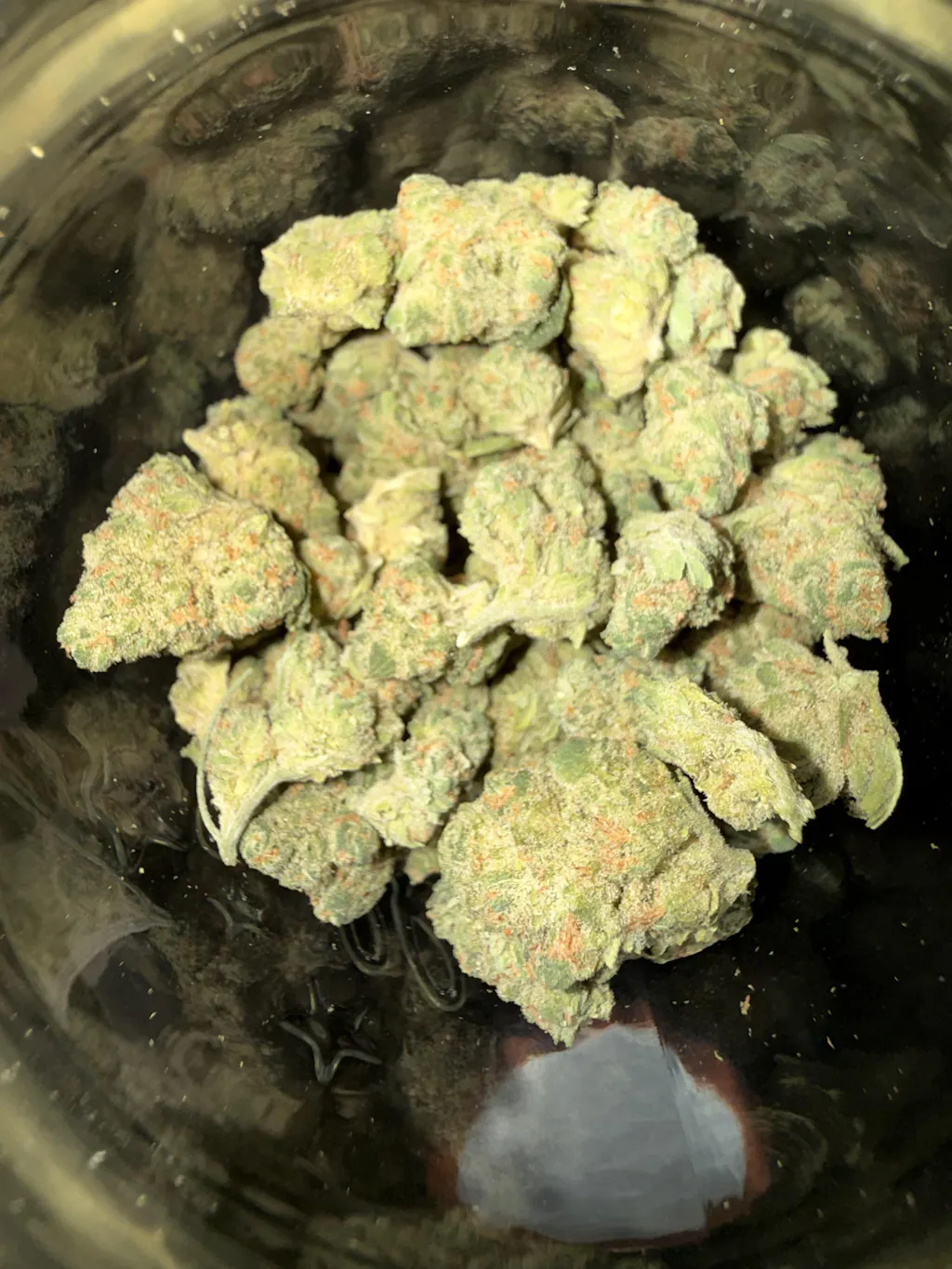
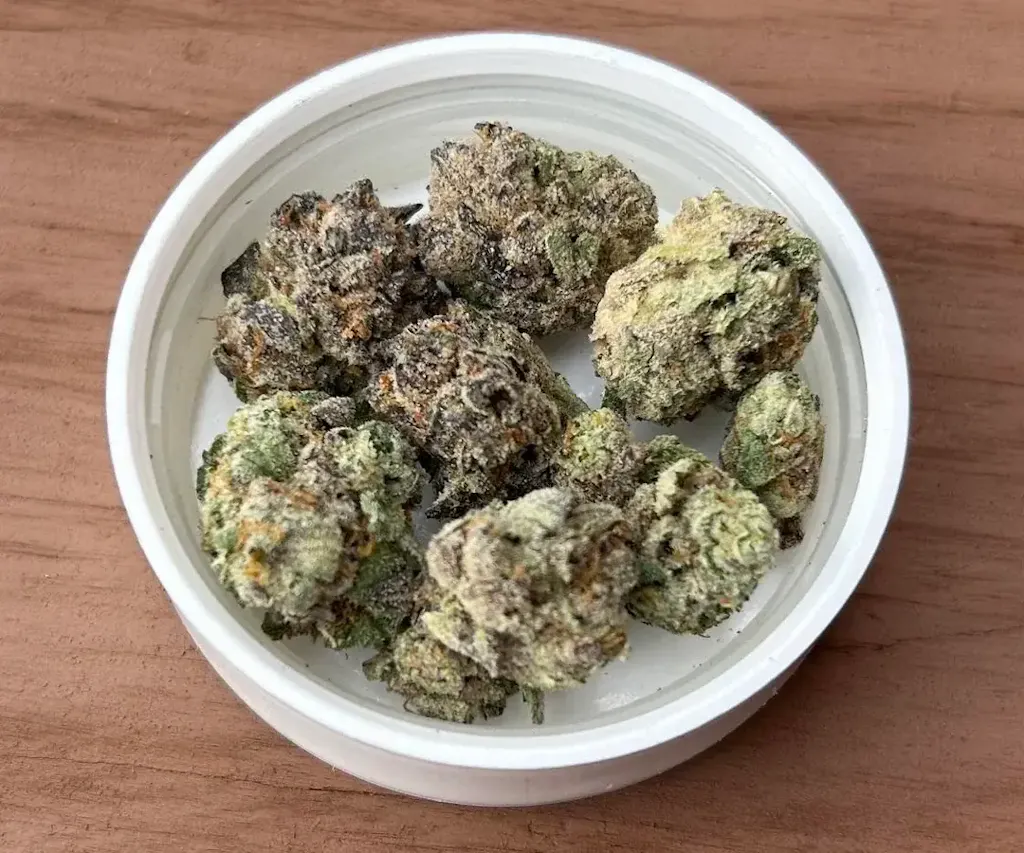
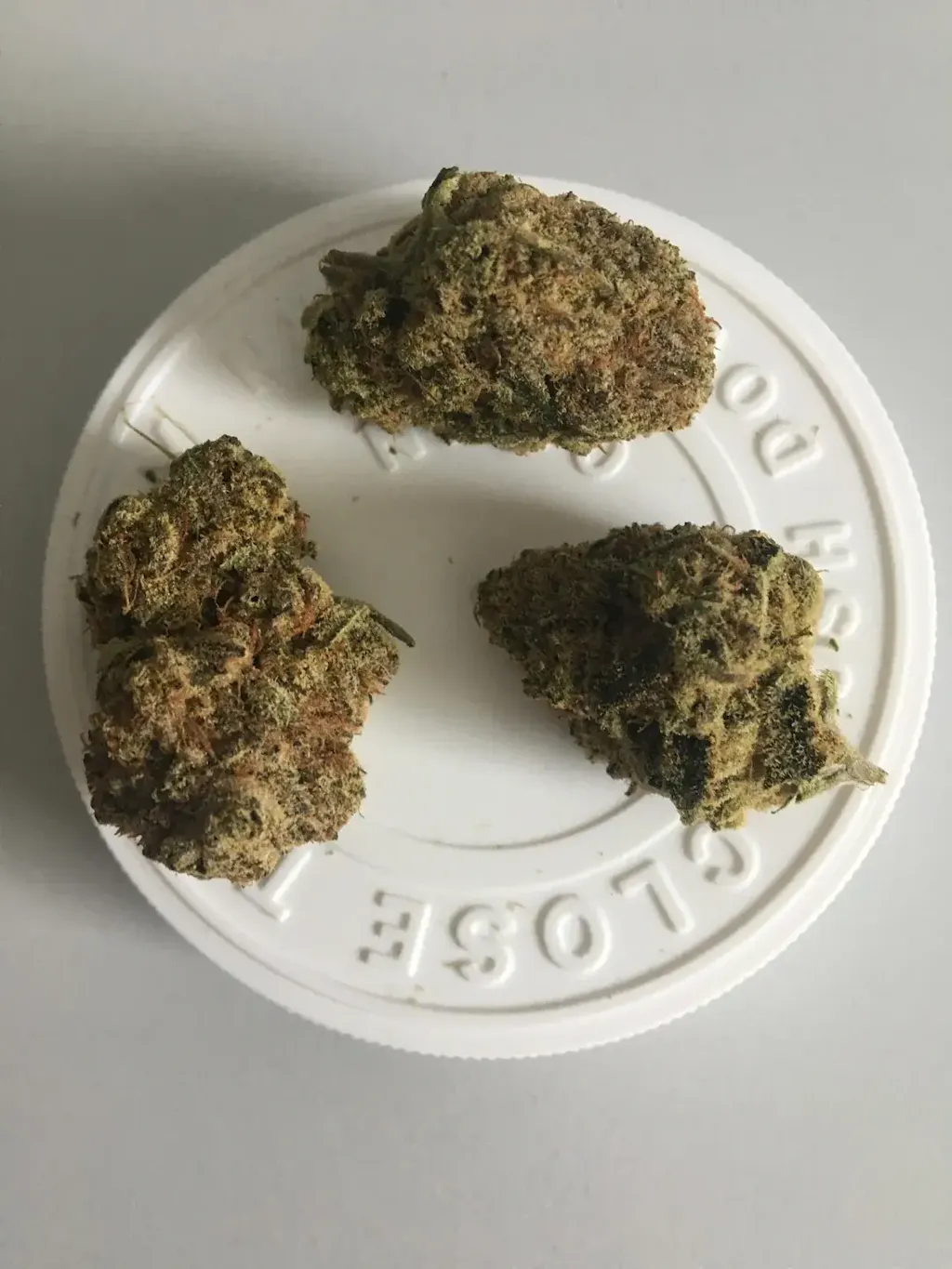
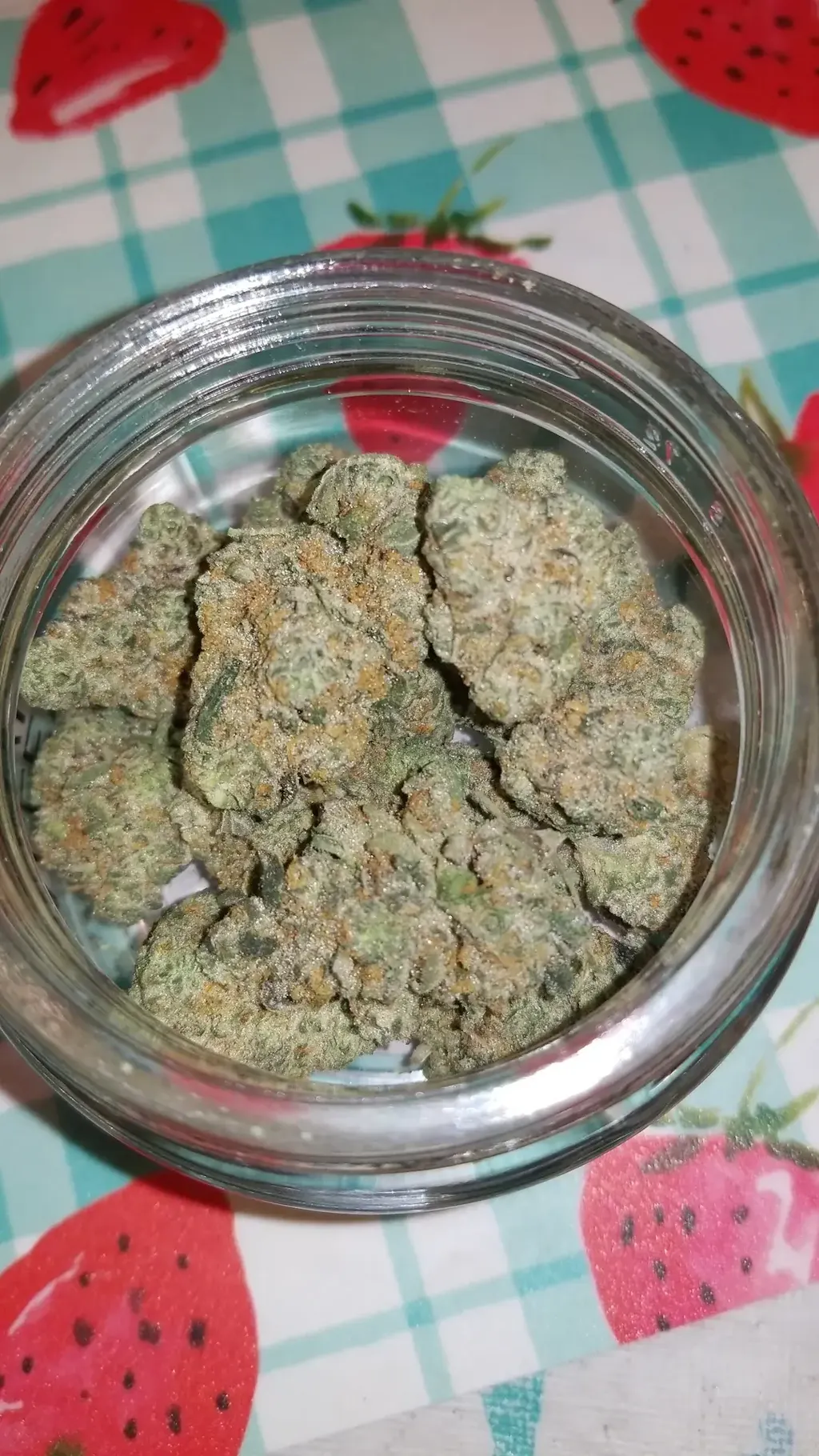
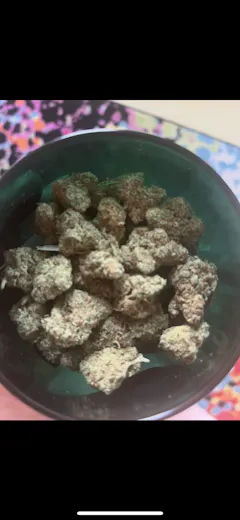
You walk into a small store and purchase a bright, aromatic bud that resembles premium dispensary cannabis in appearance, scent and effect. The transaction is legal because federal regulations exempt hemp. For years, breeders focused on increasing Delta-9 THC, the compound responsible for the familiar "high". Once the farm bill imposed a strict 0.3 percent cap on Delta-9 THC in hemp, some cultivators shifted their approach. They now choose plants that retain a high level of THCA, the raw acid that converts to THC only when exposed to heat. The product you take home is a fresh specimen, cultivated to hold the maximum amount of that precursor. When you apply flame, the acid transforms into the active cannabinoid.
What Is THCa Flower and How It Differs from Regular Cannabis
The plant material is nothing more than cannabis that has never met heat. Until a flame reaches it - its chemistry is identical to high grade marijuana. Tetrahydrocannabinolic acid (THCa) is the cannabinoid the living plant produces and it does not change perception. Recreational dispensary marijuana also contains mostly THCa but selective breeding and long curing increase the level of active Delta-9 THC. Modern hemp cultivars grow under strict environmental controls so that the Delta-9 THC concentration remains below the federal threshold - the difference is legal, not botanical.
THCa % vs Total THC After Decarboxylation: Understanding the Real Potency
Heat activates the psychoactive effect but the conversion requires a minor numerical adjustment. When cannabis is heated through smoking, vaping or baking, the THCa molecule loses its carboxyl group in a process named decarboxylation and turns into the intoxicating Delta-9 THC. The carboxyl group carries mass - the molecule drops about 12.3 percent of its weight during this heat induced shift. A flower labeled at 20 percent THCa therefore supplies close to 17.5 percent total THC after heating. Consumers who want to track doses and forecast actual potency must recall the basic equation - THCa multiplied by 0.877.
Why THCa Hemp Flower Is Legally Sold While Regular Cannabis Is Not
The hemp business rests on one precise legal rule that singles out one cannabinoid and ignores the substances that convert into it. One federal statute caused the change. The 2018 Farm Bill defines hemp as the Cannabis sativa plant and every portion of it that contains no more than 0.3 percent Delta-9 THC when measured after drying. The wording lists only active Delta-9 THC - it does not list the acid form THCa. That omission allows growers to cultivate and harvest large flower tops coated with resin that hold 25 percent THCa or more. If the final batch stays under the 0.3 percent Delta-9 THC limit, the crop qualifies as legal industrial hemp. This narrow interpretation of the statute grants nationwide access to strong cannabis flower without violating federal law.
THCa Flower vs CBD Hemp Flower: Same Legal Category, Completely Different Experience
Both plants share the same federal label but their effects follow opposite paths. Breeders created CBD hemp flower to offer cannabis based relief that calms inflammation and reduces anxiety, while preventing any mind altering reaction, even under heat. When someone ignites CBD, the result mirrors a cup of chamomile tea - muscles loosen, thoughts settle and no high occurs. Heat a bud rich in THCa plus the compound transforms within seconds into the well known substance that sparks the euphoric, perception altering "high" linked to marijuana. The two items might rest side by side beneath the "hemp" tag but each fulfills a separate goal for the consumer.
Reading the Numbers: How to Evaluate High-THCa Hemp Potency and Quality
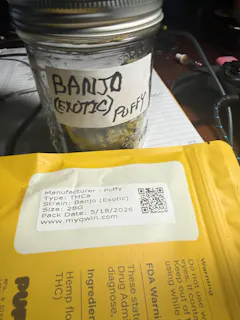
A Certificate of Analysis lists each compound detected in the product before use. Since this market operates beyond the regulated dispensary system, an independent laboratory test is the only barrier between a clean botanical specimen and a substandard one. To assess quality, examine more than the total cannabinoid figure. Confirm that Delta-9 THC stays at or below 0.3 percent so the item complies with federal statute then review the terpene roster - the volatile oils that determine flavor and steer "entourage effect". Premium flower presents a high terpene value alongside its cannabinoid numbers - together, those values indicate a rich, aromatic, diverse session.
What 20%, 25%, and 30%+ THCa Actually Means for Your Experience
Various percentages create various results - if you select the largest number without reflection, the session seldom stays balanced. Flower that measures close to 20 % gives a steady, gentle effect that you control with ease - it suits daylight use, creative work or people who want only light impact. When the label reads 25 %, the regular user meets a reliable range - the psychoactive force rises but a rich terpene profile normally keeps the experience smooth. Once the value passes 30 %, the plant provides a potent, fully intoxicating experience reserved for experienced consumers. At such heights, the plant channels so much energy into cannabinoids that it often sacrifices part of its terpene output and the result is a harsh, undiluted high that calls for care.
Terpene Profiles in THCa Flower: What the Top 3 Terpenes Tell You
Terpenes act as the primary controllers that determine how firmly cannabinoid receptors bind to incoming molecules. They also set the direction of every physiological response that follows once heat converts tetrahydrocannabinolic acid into delta-9-tetrahydrocannabinol. This compound, which usually appears in the highest concentration, increases the rate at which cannabinoids pass through the skin and cross the blood brain barrier. At the same time, it slows central nervous system activity on its own - altering the GABA-A receptor. Beta-caryophyllene is unique because it functions both as an aromatic hydrocarbon that evaporates and as a cannabinoid that enters the body through food. It binds directly to CB2 receptors plus reduces peripheral inflammation without causing any psychoactive effects. Limonene boosts the activity of the 5-HT1A serotonin receptor and the adenosine A2A receptor. This biochemical change aligns with user reports of improved mood and reduced anxiety. The combined effect of those volatile hydrocarbons along with tetrahydrocannabinolic acid determines the final therapeutic potency. Peer reviewed research on the endocannabinoid entourage effect documents this process in detail.
Cure Quality and Trim: Why Visual Grading Still Matters
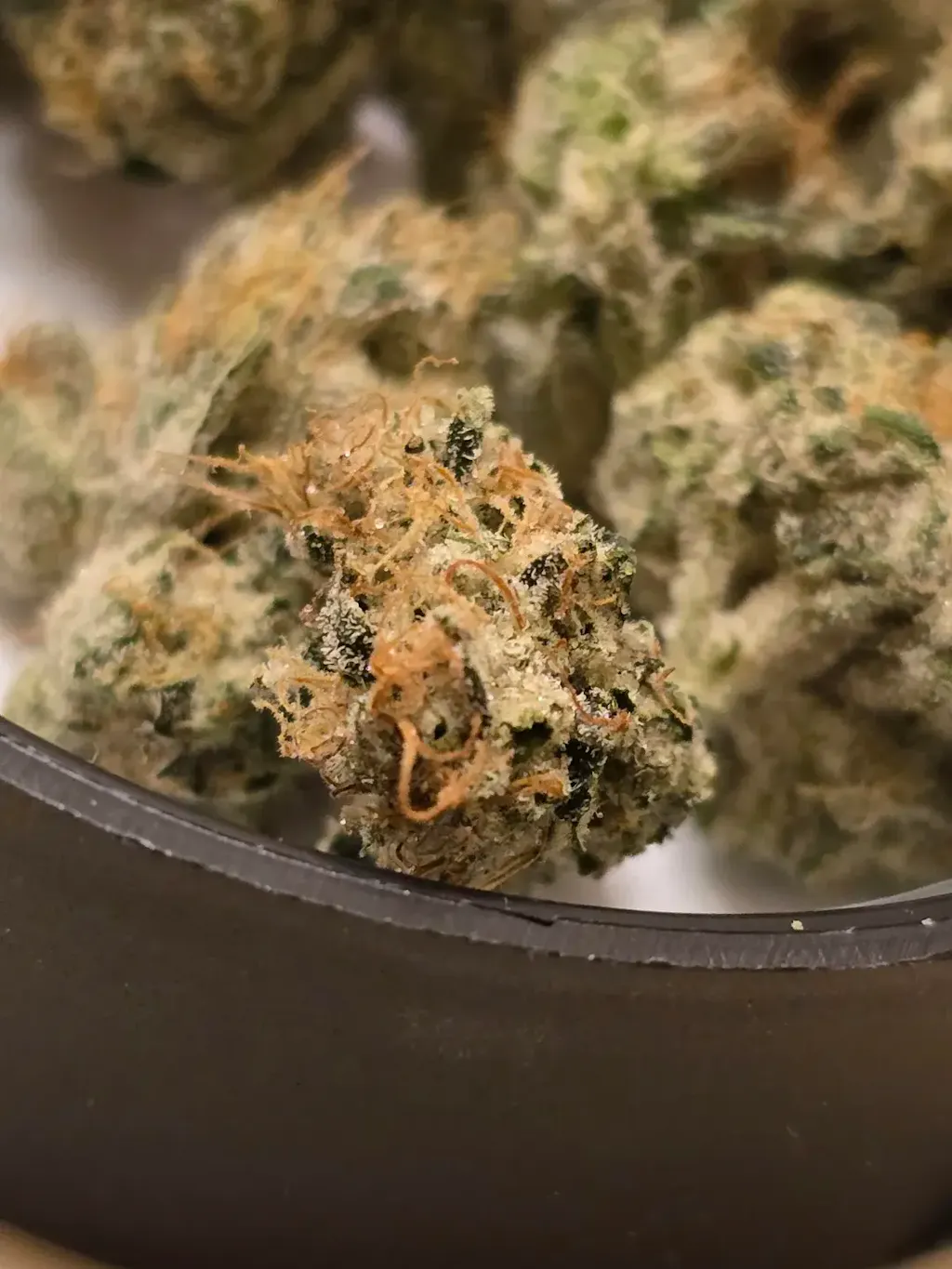
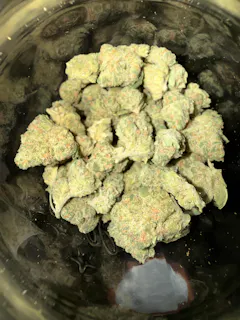
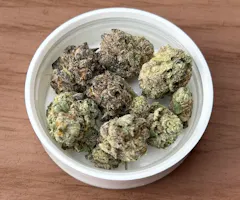
Visual grading measures the share of intact trichomes and the extent of change in secondary plant compounds. A slow cure keeps the moisture level uniform within each calyx. During this period, enzymes convert chlorophyll into mild sugars, while the capitate stalked trichomes remain whole. Hasty trimming or rapid drying snaps the stalked heads. The damage exposes tetrahydrocannabinolic acid to oxygen plus ultraviolet light. Without enzymatic assistance, the acid converts into cannabinolic acid. Once heat is applied, the resulting cannabinol acts as a strong antagonist at the CB1 receptor and induces marked drowsiness. A careful hand trim leaves the outer surface intact - the delicate secretory vesicles that both build but also store cannabinoids survive unbroken.
How to Read a THCa Flower COA Beyond Just the Percentage
A Certificate of Analysis presents the precise molecular profile of the flower. The laboratory employs High Performance Liquid Chromatography to obtain this profile. The instrument examines the specimen at ambient temperature and never exposes it to heat - the acidic variant of THC, named THCa, remains unchanged. The procedure isolates THCa from Delta-9 THC, a compound that evaporates readily. The document gives the sum of all cannabinoids and it also quantifies heavy metals and mycotoxins. It states the smallest trace that the equipment detects - this value is the Limit of Quantitation. The lungs absorb those toxic substances straight into the blood, bypassing the liver, therefore the LOQ figure is critical for consumer protection. To predict how much active THC the flower will release, the laboratory applies an equation - THCa multiplied by 0.877 plus Delta-9 THC. The constant 0.877 corrects for the carbon dioxide that leaves each THCa molecule during heating. This decarboxylation step occurs before the THC attaches to the G-protein coupled receptors within the endocannabinoid system.
Grow Type Comparison: Indoor vs. Greenhouse vs. Outdoor THCa Flower
A cannabis plant's location triggers an exact sequence of chemical reactions inside its tissues. Those reactions determine how much of each secondary compound the plant will produce. If two plants carry the same genetic code, the quantities and ratios of cannabinoids and terpenes still change whenever the external, non living environment shifts. Scientists call this response phenotypic plasticity. Three external factors govern the plant's chemical production lines. The first factor is the blend of light wavelengths that strike the leaves. The second is Vapor Pressure Deficit, a measure that governs how water vapour moves from the leaf into the surrounding air. The third factor is the population of microbes that inhabit the root zone. Whenever a grower alters any of those three variables, the plant responds. It either increases or decreases the number of glandular trichomes that form on its surface. At the same time, it modifies the precise pathway that the THCA synthase enzyme uses to produce THCA.
Indoor-Grown THCa Hemp Flower: What the Premium Buys You
Indoor farms use completely closed systems that hold the air's Vapor Pressure Deficit within a small fixed range. This strict control causes the plant pores to release water at an even rate and accelerates cannabinoid production. Operators fix the Photosynthetically Active Radiation level and select specific light wavelengths in nanometres - those selections increase the activity of the THCA-synthase enzyme. In the final weeks of flowering they lower the room temperature deliberately - the cooler air prevents the most volatile monoterpenes from evaporating. Because no wind, pests or sudden humidity changes reach the plants, the plants avoid defence responses plus devote no energy to cell repair - every calorie shifts into the formation of dense, undamaged capitate stalked trichomes.
Greenhouse THCa Flower: The Middle Ground Explained
Greenhouse cultivation combines robust plant attributes that form under natural sunlight with the protection of a controlled microclimate. The sun provides a full light spectrum that no artificial lamp duplicates and it delivers high amounts of UV-A and UV-B. When cannabis detects this ultraviolet stress, it increases production of secondary metabolites, specifically cannabinoids and terpenes, which act as a natural sunscreen that protects delicate reproductive tissues from genetic harm. Although growers install electric lamps plus climate systems to lower severe temperature fluctuations, minor environmental stresses persist. Those small pressures generate a diverse terpene profile that stimulates a broader range of receptors in the human endocannabinoid system.
Outdoor and Smalls: Same THCa, Lower Price - What Actually Differs
Outdoor cannabis sells for a lower price because wind, rain and insects damage the flowers. The harm comes from physical stress, not from a failure of the plant to synthesise THCa. Water and pests rupture the fragile membrane that caps each trichome plus accelerate the loss of volatile compounds. "Smalls". In addition, small popcorn buds develop on the lower branches. Those zones intercept a smaller share of Photosynthetically Active Radiation and receive reduced auxin supplies while the plant maintains apical dominance. The tissue in those lower nodes still produces the identical THCa molecule but the dim light limits the surface on which trichomes appear. Every gram of such tissue therefore contains a lower count of active metabolites, even though the pharmacological profile remains unchanged.