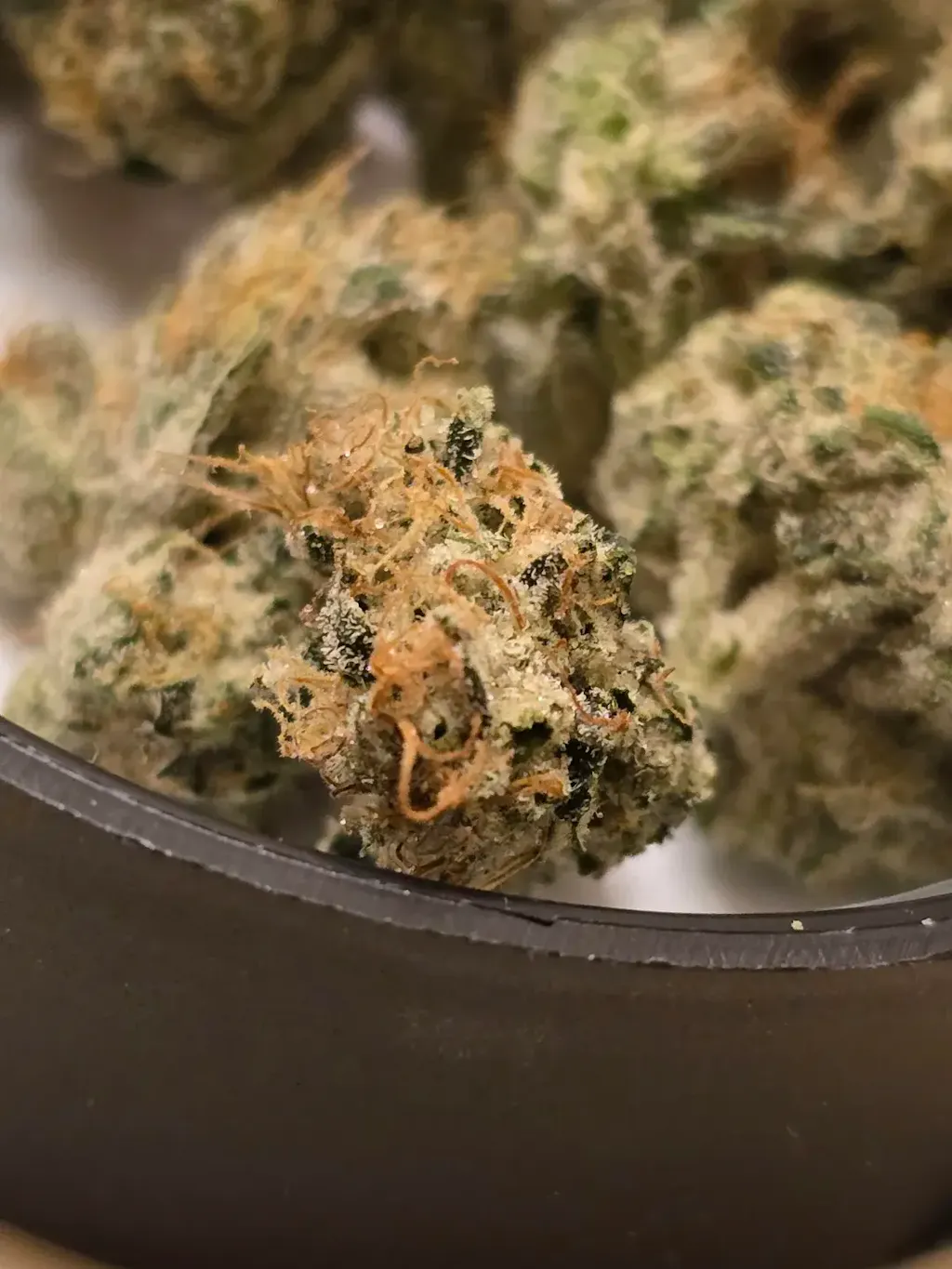
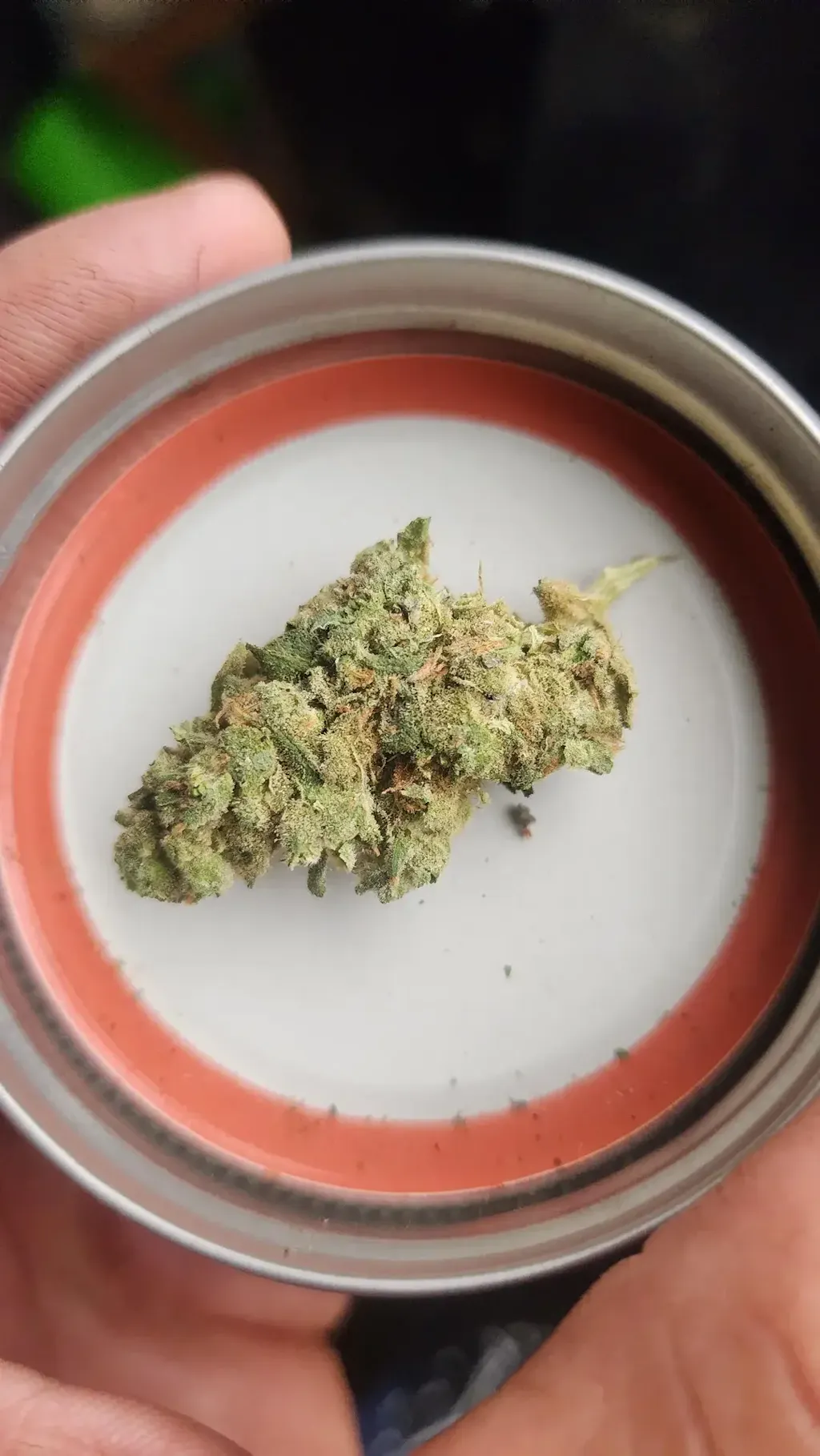
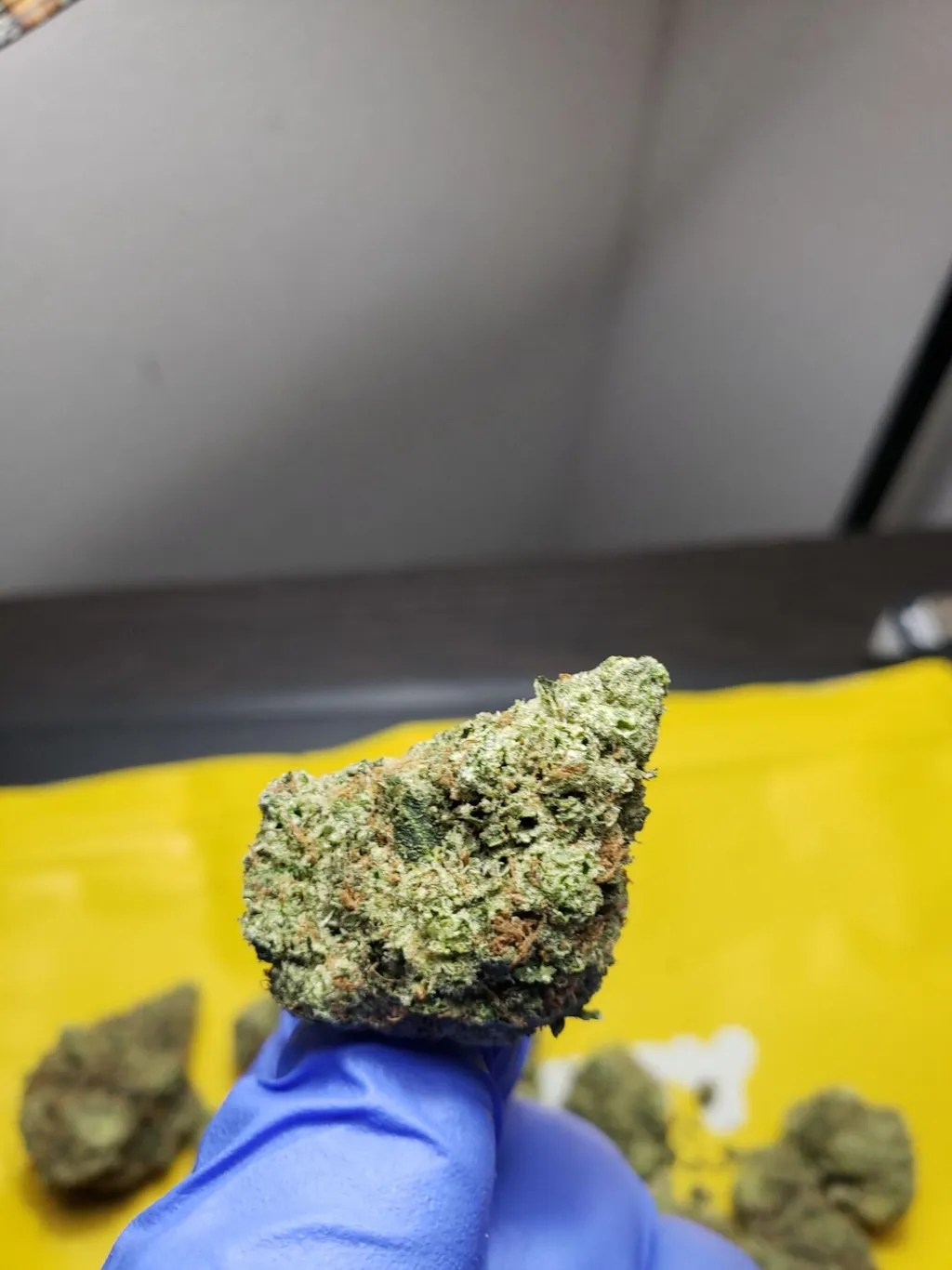
What Is a Sativa THCA Vape? Strain Science Behind the Buzz
Imagine starting your morning not with a standard cup of coffee, but with a crisp, cerebral lift that clears the mental fog and sparks genuine creativity. This is the fundamental promise of a sativa THCA vape. THCA (tetrahydrocannabinolic acid) is the raw, non-psychoactive precursor to Delta-9 THC that occurs naturally in live, growing cannabis plants. When you take a draw from your device, the internal coil applies precise heat—a chemical mechanism known as decarboxylation—which instantly converts that raw acid into highly active, psychoactive THC. By pairing this powerful chemical conversion with the bright, uplifting genetic profile of a sativa strain, you receive an incredibly potent, fast-acting vapor designed to stimulate the mind rather than sedate the body. Furthermore, because these premium extracts are carefully derived from agricultural hemp containing less than 0.3% Delta-9 THC on a dry weight basis, they remain federally compliant and legally protected under the 2018 Farm Bill.
How Sativa Differs from Indica and Hybrid in Vape Form
In the complex botanical world of cannabis, your choice of strain acts as the steering wheel for your entire mental and physical experience. While indica varieties are notoriously linked to heavy physical relaxation, sedation, and couch-lock, and hybrids offer a carefully calibrated tightrope walk between body and mind, sativas are the undisputed champions of daytime stimulation. In vape form, these distinctions become dramatically magnified. High-quality extraction processes perfectly preserve the specific cannabinoid ratios and delicate essential oils native to the sativa plant. This means every puff delivers a highly concentrated rush of cerebral energy and euphoria, deliberately avoiding the heavy, sleep-inducing undertones that can easily bog down your afternoon productivity.
Key Terpenes That Make Sativa Vapes Feel Energizing
The secret behind the famous "sativa spark" is not just the presence of THC—it is driven by the volatile aromatic compounds known as terpenes. Think of terpenes as the essential oils of the hemp plant, dictating both the flavor and the physiological direction of your high. In these uplifting extracts, you will predominantly find high concentrations of limonene, which offers a zesty, mouth-watering citrus aroma scientifically known to elevate mood and actively combat stress. Pinene is another major player, introducing a sharp, refreshing pine-needle scent that is clinically linked to increased alertness, better airflow, and enhanced memory retention. Together with terpinolene, these compounds create a synergistic "entourage effect" in your vaporizer, orchestrating a bright, buzzing sensation that pure THC alone could never accomplish.
Sativa THCA Vape vs. CBD Vape: Effects Side-by-Side
Choosing between these two highly popular vaporizers ultimately comes down to whether you want to take flight or simply smooth out the turbulence of your day. A sativa THCA vape is intensely psychoactive once the oil is heated; it chemically transforms into Delta-9 THC, delivering an intoxicating, euphoric high that heavily drives focus, laughter, and physical energy. Conversely, a CBD (cannabidiol) vape is completely non-intoxicating from start to finish. It operates quietly in the background of your nervous system to ease muscular tension, reduce cellular inflammation, and promote a profound sense of calm without ever altering your headspace or cognitive clarity. If you are looking for a creative launchpad, the psychoactive route is your definitive go-to, whereas CBD remains the holistic staple for grounded, clear-headed relief.
Why Delta 9 Sativa Tetrahydrocannabinolic Acid Disposables Hit Differently Than Flower
Combusting raw plant material with a lighter is a fundamentally different chemical event than vaporizing a meticulously refined extract. When you smoke traditional flower, the aggressive, uncontrollable heat destroys a significant portion of the delicate, energizing terpenes before they ever have the chance to reach your lungs. Vaporizers, however, operate at controlled, significantly lower temperatures. This precise heating guarantees a near-perfect conversion of the raw compounds into active THC while safely preserving the fragile limonene and pinene flavor profiles. The end result is a much cleaner, sharper, and more immediate onset of uplifting effects, completely devoid of the physical sluggishness or brain fog sometimes caused by the carbon monoxide and harsh plant toxins inhaled through traditional smoke.
Top Effects of Energizing Hemp Vapes: Energy, Focus, and Creativity
For working artists, busy entrepreneurs, and passionate outdoor enthusiasts, this specific botanical profile is truly akin to capturing lightning in a bottle. The primary hallmark of these extracts is a rushing cerebral invigoration that effectively strips away mental fatigue and morning grogginess. Users frequently report entering a state of hyper-focus, often referred to by creatives as being "in the flow," making it dramatically easier to tackle complex, multi-step projects or brainstorm out-of-the-box ideas. Instead of delivering a heavy, weighted sensation to the limbs, the high rests firmly behind the eyes and in the mind. It actively dissolves stubborn creative blocks and replaces chronic procrastination with a genuine, enthusiastic eagerness to engage with the day's upcoming tasks.
Daytime Use Cases: When Sativa Vapes Shine the Most
Timing is everything with cannabis, and these exceptionally bright botanical blends are strictly formulated to be utilized during the sunlit hours. Many modern consumers reach for their pen right after breakfast to seamlessly set a productive, positive tone for the morning, often replacing or supplementing their daily cups of coffee. They are also exceptionally popular pocket companions for outdoor recreation—such as hiking mountain trails, long-distance cycling, or spending a vibrant day at the beach—where physical stamina and heightened sensory appreciation are paramount. Additionally, weekend social gatherings, deep creative writing sessions, and even mundane household chore days are instantly elevated, turning otherwise routine activities into highly engaging, vibrant experiences.
Sativa Vapes for Creative Work: Community Reports and User Stories
Sativa strains are frequently reported by users to enhance divergent thinking and creativity through the modulation of dopamine pathways. When THCA is decarboxylated into Delta-9 THC via vaporization, it rapidly crosses the blood-brain barrier and binds to CB1 receptors in the prefrontal cortex. This region is heavily involved in complex cognitive behavior, decision-making, and abstract processing. The activation of these CB1 receptors transiently increases cerebral blood flow and stimulates dopamine release, which is neurologically linked to pattern recognition and creative ideation. This biochemical cascade is what the cannabis community commonly describes as a "cerebral rush" or a creative spark.
When Sativa THCA Vapes Cause Anxiety — Dose, Tolerance, and Mindset
Biphasic effects of THC mean that high doses can overstimulate the amygdala, leading to anxiety rather than focus or energy. Cannabis exhibits a well-documented biphasic pharmacological profile. At lower doses, THC binding to CB1 receptors generally produces anxiolytic (anti-anxiety) effects by facilitating endocannabinoid homeostasis. However, at higher doses—especially common with highly concentrated THCA vapes—excessive CB1 receptor activation in the amygdala (the brain's emotional processing and fear center) can trigger an acute anxiogenic (anxiety-inducing) response. Individual baseline tolerance, genetic variations in the FAAH enzyme, and current endocannabinoid tone heavily dictate this threshold, making precise dose calibration essential for mitigating adverse psychological reactions.
Sativa Edibles for Focus vs. Sativa THCA Vapes: Which Is Faster?
Sativa THCA vapes provide almost instantaneous effects compared to the delayed, heavily metabolized onset of sativa edibles. Vaporized THCA (instantly converted to psychoactive THC through heat) enters the lungs and absorbs directly into the pulmonary capillaries. This allows the molecules to bypass the digestive system, reaching systemic circulation and the brain's endocannabinoid receptors within seconds to minutes. In contrast, edibles must undergo first-pass metabolism in the gastrointestinal tract and liver, where enzymes convert Delta-9 THC into 11-hydroxy-THC. This gastrointestinal enzymatic process typically takes 45 to 120 minutes, making inhalation vastly superior for rapid neurochemical modulation and immediate cognitive targeting.
Sativa vs. Indica vs. Hybrid THCA Vape: Full Comparison
The true distinction between these categories lies entirely in their distinct phytochemical matrices, specifically their terpene and minor cannabinoid ratios. While all THCA vapes deliver the primary psychoactive compound Delta-9 THC upon heating, their phenomenological effects diverge due to a biological mechanism known as the entourage effect. Sativa-labeled formulations generally feature high concentrations of stimulating monoterpenes, Indicas are rich in sedating sesquiterpenes, and Hybrids offer a polypharmacological balance. These synergistic interactions at the endocannabinoid receptor sites determine whether the overall central nervous system response favors sympathetic stimulation, parasympathetic sedation, or a homeostatic midpoint.
Effect Profiles Side-by-Side: Energy, Sedation, and Balance
Sativa profiles stimulate the central nervous system, Indicas promote neuromuscular relaxation, and Hybrids moderate both pathways simultaneously. The energetic lift from Sativa profiles is driven by the upregulation of monoamine neurotransmitters (like serotonin and dopamine) facilitated by specific terpene co-agonists. Conversely, Indica profiles frequently contain higher levels of myrcene and linalool, which interact with GABA receptors to enhance GABAergic neurotransmission. Because GABA is the primary inhibitory neurotransmitter, this depresses central nervous system activity, resulting in physical sedation. Hybrids achieve a pharmacological middle ground by activating both excitatory and inhibitory pathways, preventing neurological overstimulation while mitigating deep muscular lethargy.
Best Use Cases for Each: When to Choose Sativa Over the Others
Sativa THCA vapes are optimized for diurnal use when cognitive stimulation and physical energy align with biological circadian needs. Because Sativa-dominant phytochemical matrices promote wakefulness by interacting with the body's natural circadian rhythms and hypothalamic function, they are functionally suited for daytime tasks requiring sustained attention, executive function, and locomotor activity. Using a Sativa over an Indica during the day prevents the premature activation of sleep-promoting pathways. An Indica, conversely, is biologically suited for the parasympathetic "rest and digest" phase occurring post-meridian, making Sativas the biologically appropriate choice for active daylight hours.
How Terpenes Drive the Sativa Effect in THCA Vapes
Terpenes act as allosteric modulators at the CB1 receptor site, fundamentally altering how THC affects the brain to produce "Sativa" stimulation. Terpenes such as limonene, terpinolene, and alpha-pinene are highly prevalent in Sativa cultivars. Alpha-pinene operates as a potent acetylcholinesterase inhibitor, slowing the enzymatic breakdown of acetylcholine in the synaptic cleft to directly enhance memory retention, focus, and sharp alertness. Limonene has been shown to elevate serotonin and dopamine availability. Extensive pharmacological research curated by the NCBI/NIH highlights that these volatile aromatic compounds synergize intimately with THC, functionally steering the endocannabinoid system toward an alert, highly energetic state rather than a lethargic one.