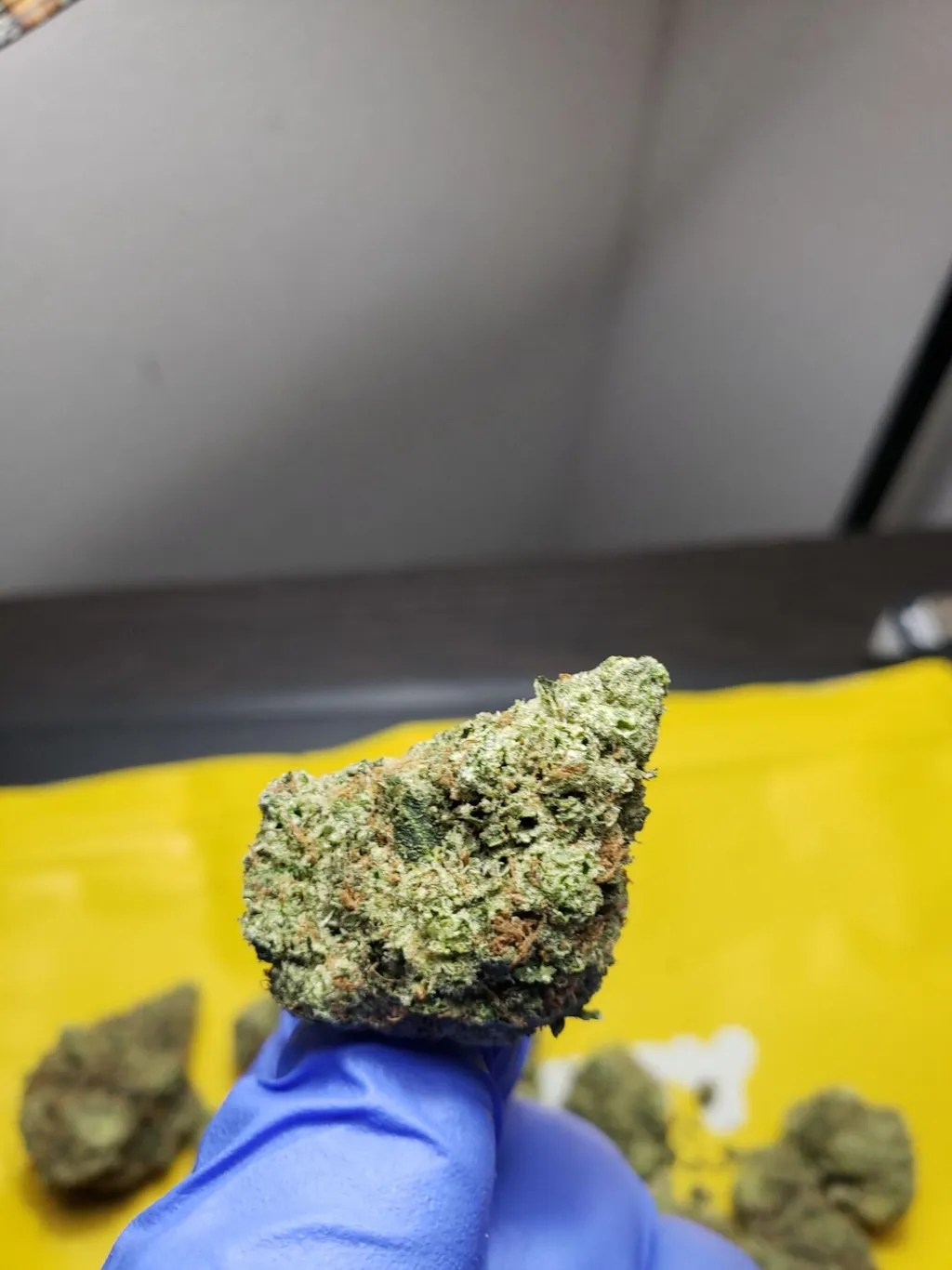
What Is an Indica THCA Vape? The Science of Deep Relaxation
The sun sets, the physical toll of the day settles into your muscles, and the mind craves a hard reset. Enter the indica THCA vape, a modern botanical tool designed for profound decompression. This device houses a carefully crafted extract rich in tetrahydrocannabinolic acid (THCA) pulled strictly from indica-dominant hemp genetics. Through the science of decarboxylation, the vaporizer's coil applies targeted heat, instantly converting the raw, non-psychoactive THCA into active Delta 9 THC as you inhale. This real-time chemical shift delivers the famously heavy, couch-locking relaxation that indica enthusiasts revere. Most importantly, these products maintain their federally compliant status under current agricultural laws, provided the pre-vaporized liquid contains less than 0.3% Delta 9 THC by dry weight.
Why Indica THCA Vapes Feel Heavier Than Sativa and Hybrid
The uniquely grounded, heavy sensation is a direct result of the entourage effect and ancient plant morphology. Indica cannabis varieties naturally evolved in harsh, mountainous climates like the Hindu Kush, developing dense, resinous buds heavily packed with specific protective compounds. When you draw from one of these devices, you are inhaling a highly specialized matrix of cannabinoids and terpenes engineered by nature to sedate and soothe. Unlike the cerebral, high-energy soaring of a sativa or the middle-ground buzz of a hybrid, the indica profile specifically targets the physical realm. It acts as an anchor, melting tension from the neck down, slowing a racing mind, and wrapping the body in a comforting, weighted blanket of relief.
Key Terpenes Behind the Indica Body Effect (Myrcene, Linalool)
Terpenes are the master architects steering your psychoactive experience toward deep physical rest. While the converted THC provides the engine of the high, the terpene profile acts as the steering wheel. In these extracts, myrcene and linalool are the undisputed heavyweights. Myrcene, an earthy compound also abundant in hops and overripe mangoes, serves as a powerful natural muscle relaxant and is the primary driver of the infamous "couch-lock" phenomenon. Linalool, the exact same aromatic molecule that gives lavender its world-renowned calming reputation, works synergistically with the cannabinoids to quiet anxiety and promote nervous system tranquility. Together, they block out mental noise and focus the plant's power on bodily restoration.
Indica THCA Vape vs. Indica Edibles: Speed and Intensity
The crucial difference lies entirely in the body's metabolic pathway and the immediate onset of the effects. When you consume a heavy, nighttime edible, the cannabinoids must endure a long journey through the digestive tract before being processed by the liver, where they are converted into the highly potent, long-lasting 11-hydroxy-THC. This internal process requires an hour or more to fully materialize. In stark contrast, inhalation bypasses the digestive system and liver entirely. The active THC permeates the blood-brain barrier via the alveoli in your lungs within seconds. For consumers seeking immediate intervention for sudden anxiety, acute physical discomfort, or the immediate inability to sleep, the vaporizer offers unparalleled speed, precision, and control over your dosage.
Delta 9 THCA Indica Carts vs. Traditional Indica Cartridges
Chemically and experientially, the final destination is identical, but the legal and structural journey differs. If you purchase a traditional indica cartridge from a state-licensed recreational dispensary, the liquid inside is already loaded with active Delta 9 THC. Conversely, a THCA-rich cartridge contains the acidic, inactive precursor, remaining fully federally compliant as a hemp product right up until the exact fraction of a second you press the button and heat the coil. That split-second of thermal conversion means the soothing, heavy-lidded, psychoactive effects you experience in your lungs and brain are virtually indistinguishable from a traditional marijuana product. It offers authentic, top-tier relaxation through a brilliant and accessible legal framework.
Best Uses for Indica Hemp Vapes: Rest, Pain, and Wind-Down
These specialized devices act as the ultimate botanical nightcap for both exhausted minds and aching bodies. Expert cannabis consumers do not treat these heavy extracts as all-day recreational tools; they view them as targeted remedies for physical and mental decompression. Whether you are dealing with chronic joint stiffness that flares up in the evening, recovering from an intensely taxing muscular workout, or simply trying to aggressively detach from the lingering, residual stress of a demanding workday, the profound bodily heaviness provides therapeutic value. It deliberately slows the central nervous system, turning down the volume on external stressors, and forces a stubborn body to begin the vital process of recovery.
Evening and Nighttime Use: When Indica THCA Disposables Perform Best
Timing is absolutely everything when it comes to maximizing this deeply sedating cannabis experience. Because of the overwhelming physical sedation associated with these myrcene-heavy botanical profiles, these products are ideally reserved strictly for the hours after sunset. Puffing on a heavy extract during a busy morning or afternoon can easily leave you feeling sluggish, unmotivated, and battling a mental fog. However, utilizing that exact same device as your evening winds to a close aligns perfectly with human circadian rhythms. It serves as a biological and psychoactive cue that the day's labor has officially concluded, ushering you gently toward a state of profound peace and paving a smooth runway for a full, uninterrupted night of deep sleep.
Indica THCA Vapes for Muscle Tension and Physical Discomfort
Indica THCA vapes alleviate physical discomfort by engaging the body's endocannabinoid system to reduce inflammatory responses and modulate pain signaling. When THCA is heated through vaporization, it rapidly decarboxylates into biologically active Delta-9 THC. This compound binds primarily to CB1 receptors in the central nervous system and peripheral tissues. Indica chemotypes are characterized by high concentrations of terpenes like myrcene and beta-caryophyllene. Beta-caryophyllene is highly unique because it acts as a dietary cannabinoid, selectively agonizing CB2 receptors located within the immune system and peripheral tissues. This binding suppresses the release of pro-inflammatory cytokines, directly mitigating localized tissue inflammation and relaxing skeletal muscles without relying entirely on central nervous system depression.
Using Indica THCA Vape for Anxiety and Racing Thoughts
Indica-dominant THCA vape products suppress racing thoughts by dampening excessive neurotransmitter firing within the amygdala. The inhalation method facilitates rapid diffusion of decarboxylated THCA across the blood-brain barrier. Once active in the brain, THC agonizes CB1 receptors, inhibiting the presynaptic release of excitatory neurotransmitters such as glutamate. When paired with the high linalool and myrcene content standard in Indica profiles, this receptor activation heavily enhances GABAergic signaling. GABA (Gamma-aminobutyric acid) is the primary inhibitory neurotransmitter in the brain. By acting as a neurological brake, this enhanced GABA availability calms hyperactive neural circuits associated with acute stress, panic, and cognitive hyperarousal.
Indica THCA Vapes for Sleep: What the Research and Users Say
Research indicates that the combination of THC and sedative terpenes in Indica strains significantly reduces sleep latency and alters sleep architecture to promote deeper rest. The physiological transition into sleep is governed by the hypothalamus. According to clinical data published by NCBI/NIH, cannabinoid receptor activation influences sleep cycles by decreasing REM sleep latency and prolonging slow-wave sleep (SWS), the most restorative phase of the sleep cycle. The synergistic "entourage effect" generated by high concentrations of myrcene enhances the permeability of the blood-brain barrier. This allows THC to more effectively downregulate arousal-promoting regions in the brainstem, initiating prolonged, uninterrupted sleep cycles necessary for cellular repair.
Indica vs. Sativa vs. Hybrid THCA Vape: Full Comparison
The fundamental pharmacological difference between these classifications lies in their distinct terpene profiles and how those molecules modulate THC's interaction with cannabinoid receptors. Sativa strains are biochemically characterized by elevated levels of limonene and alpha-pinene. Pinene inhibits the enzyme acetylcholinesterase, leading to an accumulation of acetylcholine in the brain, which promotes alertness and cognitive stimulation. Conversely, Indica strains are rich in myrcene, linalool, and caryophyllene, which steer the receptor binding affinity toward somnolence, anxiolysis, and muscular relaxation. Hybrids present a heterozygous biochemical profile, offering a balanced modulation of both CB1 and CB2 receptors that mitigates the extreme sedation of Indicas and the potential hyper-stimulation of Sativas, achieving biological homeostasis.
Effect Profiles: Sedation, Euphoria, and Body High Compared
Specific effect profiles are dictated by the biphasic nature of cannabinoids and the targeted neural pathways influenced by a strain's unique chemovar. Sedation primarily stems from the potentiation of GABA receptors and the activation of CB1 receptors in the basal ganglia, an effect heavily driven by Indica-specific terpenes. Euphoria is triggered within the mesolimbic dopamine pathway; THC inhibits GABA-mediated control over dopaminergic neurons in the ventral tegmental area (VTA), facilitating a massive release of dopamine into the nucleus accumbens. A "body high" results from peripheral CB2 receptor activation coupled with localized vasodilation. This widening of the blood vessels increases blood flow to muscular tissues, creating a physical sensation of warmth, heaviness, and deep somatic relaxation.
Which Situations Call for Indica Over Sativa?
Indica THCA vapes are biochemically optimized for parasympathetic nervous system activation, evening use, and physiological recovery periods. Because Indica chemotypes effectively downregulate sympathetic nervous system activity (the body's "fight or flight" response) and upregulate the parasympathetic state (the "rest and digest" phase), they are biologically indicated for addressing insomnia, acute muscle spasms, and severe nervous tension. Sativas are strictly suited for tasks requiring sustained cortical arousal and dopaminergic focus. Therefore, an Indica formulation is scientifically appropriate when the biological objective requires homeostatic down-regulation, pain attenuation, and somatic repair rather than cerebral excitation.
How Tolerance Affects Indica THCA Vape Experience
Chronic use of THCA vapes leads to the downregulation and desensitization of CB1 receptors, requiring progressively higher doses to achieve baseline sedative and analgesic effects. At a cellular level, continuous exposure to decarboxylated THCA triggers a process known as receptor internalization. The endocannabinoid system attempts to maintain homeostasis by pulling CB1 receptors inside the cell membrane, making them unavailable for exogenous cannabinoid binding. Because the profound physical effects of Indica strains rely heavily on maximum receptor availability in both the central and peripheral nervous systems, cellular tolerance severely diminishes its sedative and myorelaxant efficacy. A biological washout period (tolerance break) is required to allow the re-expression of these receptors on the cell surface, fully restoring the system's pharmacological sensitivity.