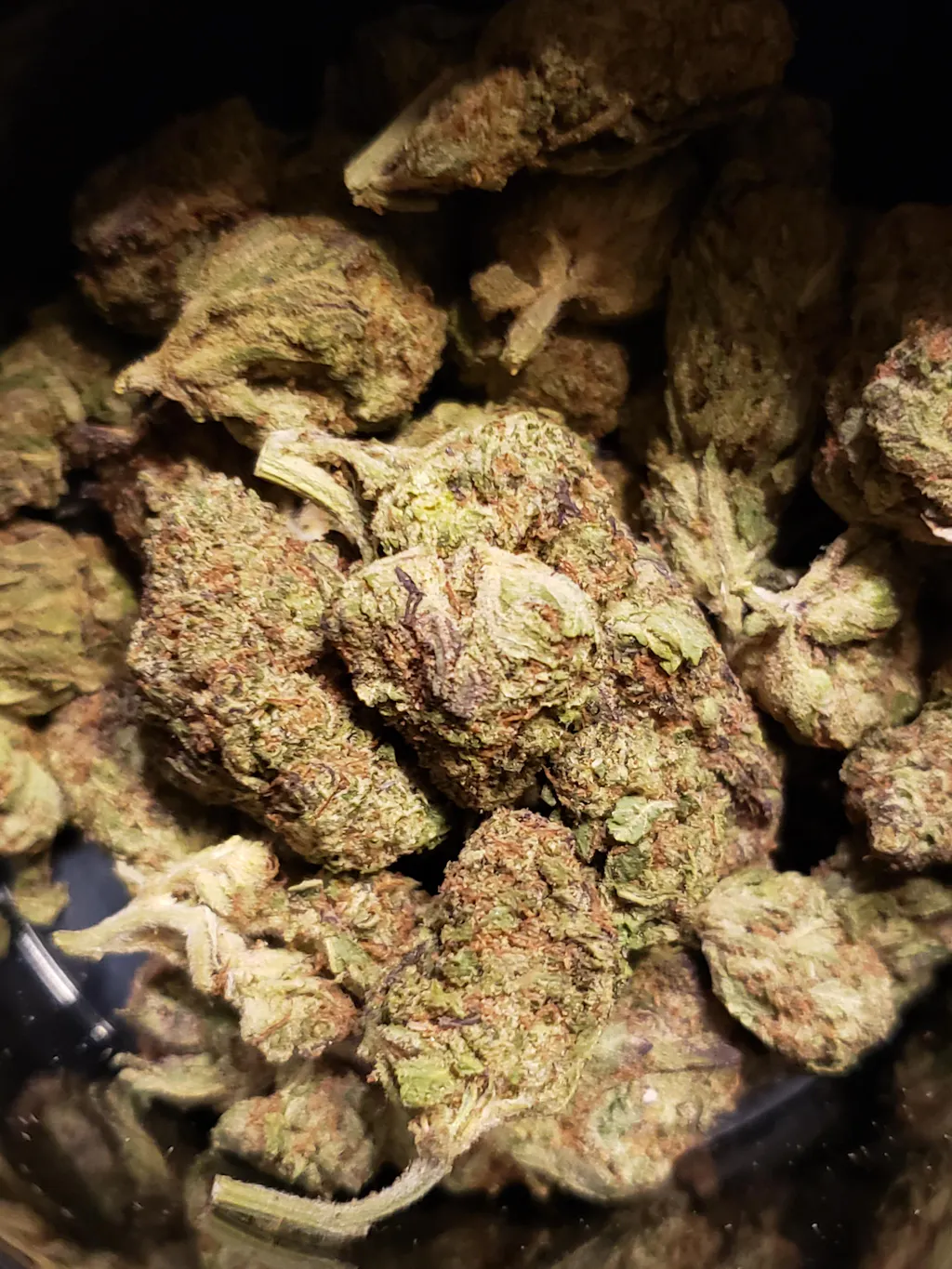
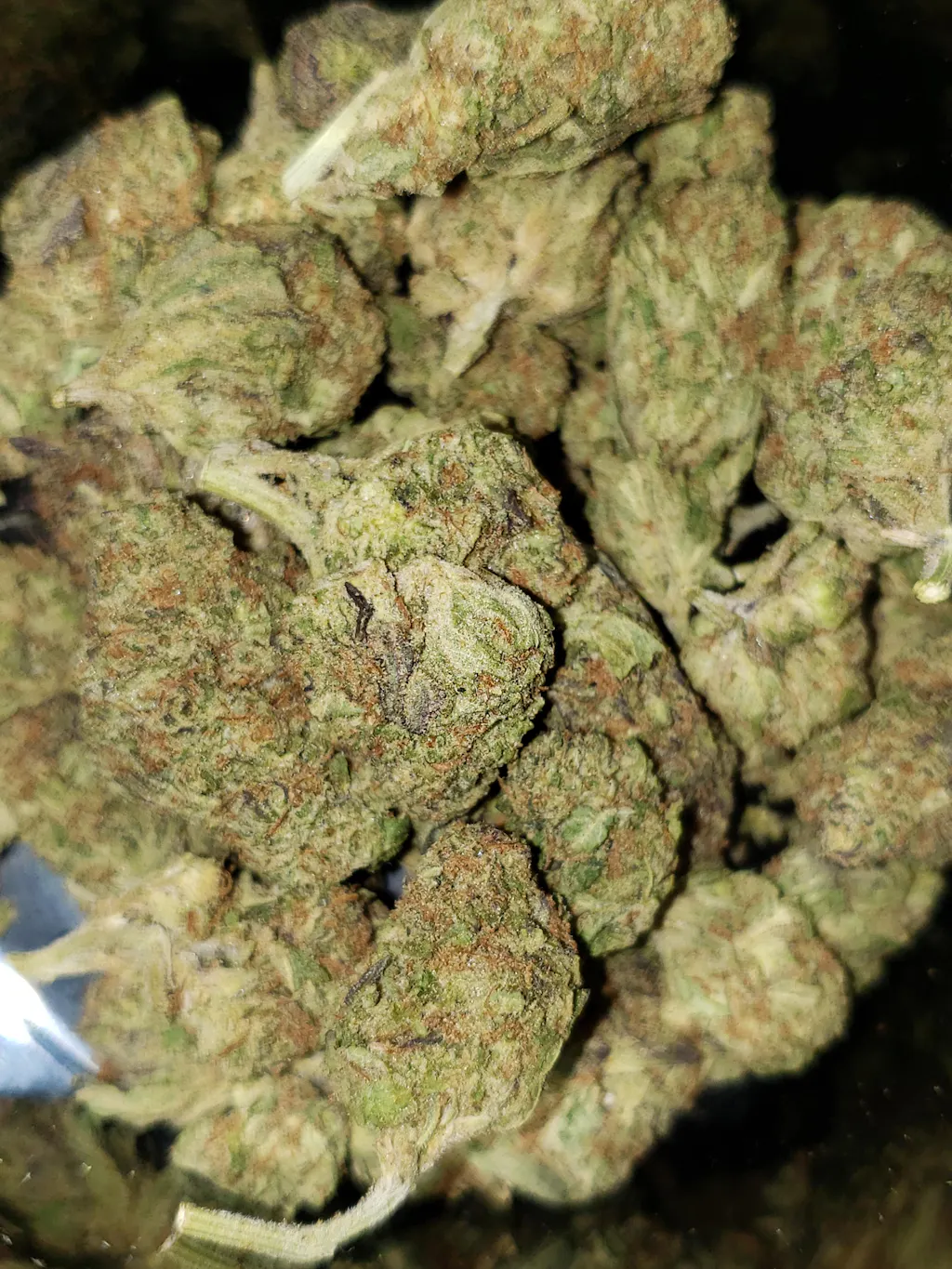
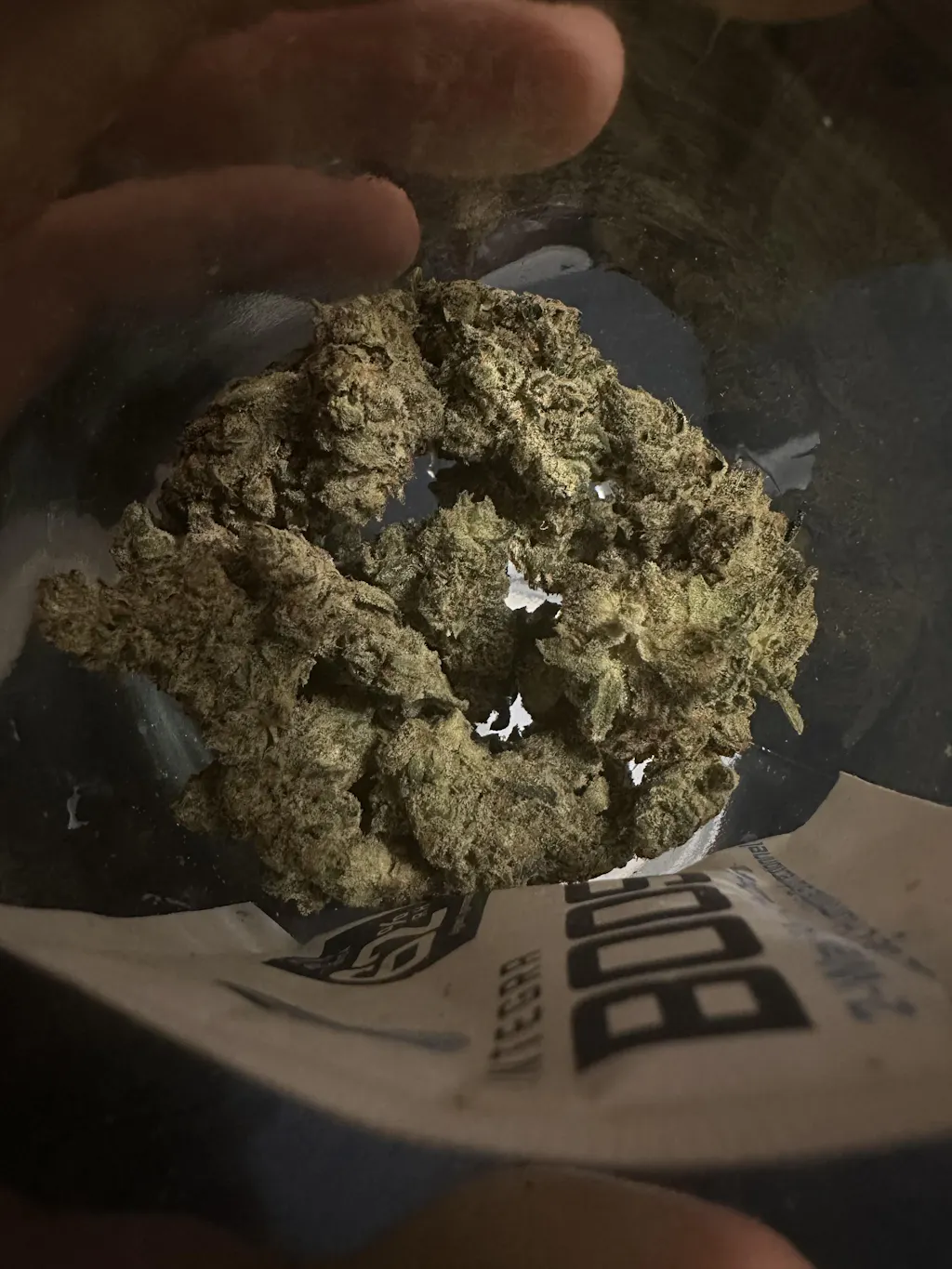
THCa dabs

3 products
Filters (1)
Clear all

THCa Dabs: What They Are and Why Concentrate Users Are Switching

A customer enters a high end cannabis shop, purchases one gram of premium wax and later finds that gram inside a legal parcel at home. This routine now repeats every day, because experienced concentrate users discover that raw hemp extract gives effects once limited to state licensed goods. In earlier years, specialists drove to licensed stores for shatter, badder or rosin. A plain overlap between plant chemistry and federal farm law now offers a second path. The new concentrates leave tetrahydrocannabinolic acid in its original form. They provide the same scent, the same terpene profile plus the same elevated sensation but federal statute classifies them as industrial hemp. Shoppers who examine the chemistry avoid state excise tax, ignore distance rules and sacrifice no potency.

Defining THCa Dabs: The Raw Concentrate Before Decarboxylation

Growers collect resin from the cannabis plant before heat alters its chemistry. This resin holds tetrahydrocannabinolic acid, a compound that carries no mind altering power until warmth converts it into delta-9 THC. The plant produces the acid inside tiny, frost coated glands that coat the flowers. Workers separate those glands from the plant and treat them without heat - the material keeps the same chemical shape it had while alive. Because the acid group remains attached, the molecule stays distinct from the form that alters perception. Producers dry the glands at cool temperatures and press them gently - this approach shields the fragile acid from change. The finished mass keeps its native terpenes plus flavonoids and does not cause intoxication while sealed in its jar.

What Happens When You Dab THCa: Instant Conversion to Active THC

The transformation starts the moment the unprocessed extract touches the hot quartz banger. As the precursor compound enters a standard rig and faces temperatures between 400°F and 600°F, a rapid chemical reaction called decarboxylation occurs. Heat strips away the carboxyl group, which exits as carbon dioxide gas. Once this group departs, the vapor you inhale consists solely of active Delta-9 THC. Since this change completes instantly, the substance on the dab tool lacks psychoactive properties but the thick white vapor that arrives in your lungs carries the same powerful, mind altering quantity present in any traditional marijuana concentrate.

Unheated Extracts vs. THC Concentrates: Legal Category, Same Experience

Those two products only differ in their documentation and in the timing of legal rules, not in the psychoactive result they finally produce. If an expert cannabis assessor inhaled identical doses from a dab rig while blind, that assessor would notice no distinction between a raw hemp concentrate and a THC wax bought in a licensed shop. The sole genuine separation depends on how the government classifies the substance before any person consumes it. The raw precursor contains less than 0.3% Delta-9 THC when tested by dry weight - federal hemp regulations fully permit it. This arrangement creates an explicit legal gap - the material ships and sells as industrial hemp but the moment heat contacts it for consumption it turns into standard THC.

How Raw Concentrates Compare to THCa Flower in Potency and Effect Speed

One raw hemp flower joint gives a gentle impact that resembles the lift from a cup of coffee. A tiny fragment of raw concentrate set on a heated nail creates a far more powerful outcome, on par with a single espresso shot. The flower holds roughly twenty to thirty percent cannabinoids, because the active molecules stay bound to the plant tissue. Concentrates strip away leaves, stems and chlorophyll plus they retain only the trichome heads - those products climb to seventy, eighty or ninety percent cannabinoids and sometimes higher. Once a user draws in a hefty amount of THC that decarboxylates at once but also no plant material combusts, the impact starts almost immediately. Euphoria and also profound body relaxation show up within seconds - such extracts fit individuals who seek rapid, potent relief together with a clear mental shift.

Types of THCa Extracts: A Full Format Breakdown

Raw hemp extracts appear in multiple forms - each form shows a distinct texture and a distinct set of terpenes. Premium hemp supplies extractors with plant material that allows strict laboratory methods. Those methods create many consistencies. Some extracts cool into clear sheets that fracture with a snap. Other extracts become soft, whipped pastes. Each form needs an exact combination of heat, pressure and curing time. That combination locks in a fixed level of terpenes plus sets how easy the product is to handle. Users who learn those details select the version that aligns with their priority for flavour, purity or simple use.

Live Resin Extracts: What "Live" Means and Why It Costs More

Live resin commands a higher price because it captures the precise aroma of the cannabis plant while it remains alive. The label "live" signals that the hemp was flash frozen at harvest, bypassing standard drying and curing. Drying allows delicate terpenes to escape plus those oils define both taste and the fine edge of the effect. Extractors who pull cannabinoids from the frozen plant preserve a dense, multi level flavor that cured concentrates cannot match. The process demands expensive equipment but also immediate action - the finished extract sells for more but delivers an intensely aromatic, premium dab.

THCa Diamonds: The Highest-Purity Concentrate Format Explained

THCa diamonds appear when tetrahydrocannabinolic acid leaves the rest of the cannabis extract and arranges into clear crystals. Those crystals count as the most potent non activated cannabis concentrate on sale. In its natural state, every THCa molecule holds a bulky carboxyl unit that works like a physical shield - the group is so large that the molecule cannot enter the main binding pockets of human CB1 or CB2 receptors. The crystallization process strips away fats, terpenes and other plant chemicals - only THCa molecules stay - they bond together until the structure attains ninety nine percent purity. Heat from a dab rig disrupts the crystal order plus pushes the molecule to release one carbon dioxide unit through decarboxylation. Pure Delta-9 THC results, crosses the blood brain barrier within minutes and fastens to CB1 G-protein coupled receptors as a partial activator, which triggers a strong and rapid chain of brain chemical events without interference from other plant components.

THCa Wax, Badder, and Sauce: Texture Differences and What They Affect

Texture differences in concentrates depend on the amounts of lipid, terpene and water left behind after extraction - those levels decide the final entourage effect. The physical form of a concentrate - whether it is a uniform, aerated badder or a two layer liquid sauce - reflects how many volatile organic compounds, chiefly mono- plus sesquiterpenes, remain. After inhalation, those terpenes alter blood brain barrier permeability and attach to secondary sites on cannabinoid receptors. A "sauce" matrix retains a high level of myrcene but also also linalool - each compound raises GABA-A receptor activity through positive allosteric modulation and accelerates THC transport across alveolar epithelial tissue. The selected extraction method - hydrocarbon whipping or cold crashing - determines how many molecules persist in the final product as well as that decision shifts the pharmacodynamic profile once the extract turns to vapor.

THCa Isolate Dabs: 99%+ Pure and Why That Matters for Dosing

THCa isolate permits precise dosing because it holds a single cannabinoid and lacks plant terpenes. When secondary cannabinoids are not present, they do not inhibit CYP450 liver enzymes or influence the FAAH enzyme - the body metabolizes pure THCa immediately. Once the isolate is heated plus converts to THC, no other compounds vie for receptors or change their shape - the speed and degree of receptor activation become highly predictable. Only one molecule enters the synapse at a time but also it arrives in a rapid surge that clinicians and consumers can measure. The result is a repeatable increase in Delta-9 THC levels that yields uniform effects on brain activity.

How to Read a THCa Dabs COA Before Buying

A Certificate of Analysis is an official scientific report - it records the exact molecular content of a sample. It lists any breakdown products. It reports the level of each toxic compound. The laboratory checks the sample with high performance liquid chromatography or with gas chromatography. The document states the precise molar mass of every cannabinoid found. When a person examines the chromatogram, the data reveal whether the material holds the non psychoactive acid precursor THCa or the degraded psychoactive compound Delta-9 THC. The measured numbers let regulators decide if the sample meets the rules. The same numbers let users predict the exact quantity of neurobiologically active compound that will appear once the sample is vaporized.

What Total THCa Percentage Actually Means After Dabbing

The quantity of THCa in a sample does not directly indicate the actual amount of active THC that will form. A standard calculation must be used to estimate the result and it must include the loss that occurs during decarboxylation. When heat is applied, THCa changes into Delta-9 THC through a reaction that removes a carboxyl group. This group exits as carbon dioxide gas. THCa has a molecular weight of 358.47 grams per mole, while THC has a molecular weight of 314.46 grams per mole. The reaction always reduces the total mass. The maximum possible THC yield equals the THCa percentage multiplied by 0.877 plus any THC that was already in the sample. This fixed stoichiometric ratio sets the exact milligram amount of active Delta-9 THC that will cross the alveolar membrane, enter the bloodstream and arrive at neural receptors. Additional information on heat induced cannabinoid breakdown is provided in pharmacokinetic studies at NCBI/NIH.

Residual Solvents Testing: Why This Section of the COA Matters Most

Residual solvent data confirm that volatile hydrocarbon extraction agents like butane, propane or ethanol have been completely removed. When humans inhale residual alkanes, lipids in pulmonary surfactants undergo immediate peroxidation and cellular lipid bilayers in the central nervous system break down, triggering acute neurotoxic reactions. Certificates of analysis that employ headspace gas chromatography mass spectrometry quantify each hydrocarbon with precision. Those compounds must remain below parts-per-million thresholds, because any elevated level depresses the central nervous system and subjects pulmonary endothelial cells to chemically induced oxidative stress.

Heavy Metals and Pesticide Results: Non-Negotiables for Concentrate Safety

Toxicological tests verify that the extract lacks elemental metals which accumulate in tissue and lacks agricultural neurotoxins that affect the nervous system. Cannabis plants perform phytoremediation effectively - their roots exhibit a high cation exchange capacity which pulls cadmium, lead, arsenic plus mercury from soil. When extraction increases the concentration of those metals and a user inhales them, the metals create covalent bonds with sulfhydryl groups on human proteins but also also inhibit cellular respiration and mitochondrial ATP synthesis. Concentrated organophosphate pesticides attach irreversibly to brain acetylcholinesterase as well as trigger severe cholinergic poisoning. Strict limits established by inductively coupled plasma mass spectrometry and by liquid chromatography tandem mass spectrometry are required to confirm that the concentrate is biologically safe.

How to Spot Fake or Underpotent THCa Dabs Being Sold Online

Indicator Authentic & High-Quality THCa Dabs Fake or Underpotent THCa Dabs
Lab Testing (COA) Full-panel, third-party lab tests available; verifiable batch numbers; checks for heavy metals and pesticides. Missing, expired, or manipulated COAs; tests only show cannabinoid presence without safety screenings.
Appearance & Texture Amber, gold, or translucent; stable crystalline (diamonds), badder, or buttery texture. Unnaturally clear (indicating heavy bleaching), dark brown, or green; overly soupy or separated consistency.
Aroma & Terpenes Rich, pungent, and strain-specific terpene profile. Harsh chemical smell, artificial fragrances, or completely odorless.
Price Point Standard market pricing reflecting the extraction process and quality. Suspiciously cheap or "too good to be true" bulk pricing.

The Dabbing Experience: Temperature, Tools, and Technique

Dabbing converts THCa into active THC only after you apply exact heat. Decarboxylation starts when the temperature reaches the precise point that removes the carboxyl group but stays low enough to spare the volatile terpenes. A thermometer controlled nail or e-rig lets you set that exact point. The number you select plus strict timing of the torch or coil, fixes how pure, flavorful and potent the vapor becomes.

Optimal Dab Temperatures for THCa: Low-Temp vs. High-Temp Hits

Temperature Range Dab Style Flavor & Terpene Preservation Effects & Vapor Production
315°F – 450°F Low-Temp Dab Maximum flavor retention; fully preserves the delicate terpene profile. Smooth on the lungs, smaller vapor clouds, and a gradual, balanced high.
450°F – 600°F Medium-Temp Dab Good balance; retains most flavors while ensuring full vaporization. Thick vapor clouds, immediate onset, and intense psychoactive effects.
600°F+ High-Temp Dab Burnt flavor; completely destroys volatile terpenes. Harsh throat hit, massive vapor output, rapid high, but high risk of inhaling carcinogens.

Equipment You Need to Dab THCa Concentrates Properly

Select only devices made for dabbing - a water pipe, a quartz banger, a carb cap, a metal dab tool and a butane torch. Ignite the torch plus aim the flame at the banger until the quartz glows and reaches the target temperature. Switch the torch off but also wait a brief interval so the banger loses some heat. Pick up a tiny portion of THCa concentrate with the dab tool. Press the concentrate against the inner wall of the now warm banger. Set the carb cap on top of the banger to close the opening. Draw the resulting vapor in through the mouthpiece of the water pipe.

THCa vaporization demands more than a simple glass pipe - a dab rig serves as the foundation - water inside the rig cools the vapor before it reaches the user. A high grade quartz banger forms the next component. This small bucket contains the concentrate and quartz retains heat long enough for effective vaporization. A carb cap proves necessary. It restricts airflow and lowers pressure within the banger - THCa converts to vapor at a reduced temperature plus minimal residue remains. A dab tool constructed from stainless steel or glass completes the setup - it transfers the sticky concentrate into the heated banger without hazard.

First-Time Dabbing THCa: Why It Hits Harder Than Expected

Someone who has never tried cannabis concentrate should start with a minimal quantity. Set a fragment that matches one grain of rice on the nail. This little dose allows the user to observe how the body responds.

A person who smokes traditional hemp flower inhales a modest quantity of cannabinoids during multiple minutes. When a user dabs THCa, the procedure changes. A minute portion of the acidic cannabinoid touches a quartz surface that has been brought to a high temperature. Heat causes instant decarboxylation and the THCa sheds a carboxyl group. Within one or two seconds the compound converts into Delta-9 THC, the principal psychoactive component of cannabis. The same heat converts the new THC into vapor and the user breathes in the cloud. Because the lungs take up vapor fast, the entire dose enters the bloodstream in fewer than ten seconds. The transition from sober to intoxicated occurs without warning plus the strength often startles first time participants. To lower risk, stay seated, remove hazards from the room and restrict the first dab to the size of a small grain or less.

Cold-Start Dabbing Method: Preserving Terpenes in THCa Live Resin

Put the THCa dab into a cool banger - add low heat until the first bubbles form. This order protects the taste and keeps the terpenes.

A cold start method also named a "reverse dab", offers a reliable way to consume high grade THCa live resin or rosin. The user places the concentrate into the quartz banger while the surface remains at room temperature. The user does not heat the banger until it turns red and then wait for the surface to cool. The user applies the flame to the side plus underside of the banger in a gentle manner. When the THCa melts and forms bubbles, an event that lasts about ten to fifteen seconds, the user stops the heat, positions the carb cap over the opening but also inhales. This technique prevents the concentrate from burning and produces a smooth as well as flavorful draw.

THCa Dabs Legal Status in 2026

A buyer needs to review the statutes of her or his state before a purchase, because state regulations on "Total THC" impose stricter limits than federal statutes.

From 2026 onward, the regulations that cover THCa dabs consist of a patchwork of statutes that often contradict one another. The federal 2018 Farm Bill states that every portion of the hemp plant is lawful when the sample contains no more than 0.3 percent Delta-9 THC by dry weight. THCa is the acid precursor that converts into Delta-9 THC once heat is applied - it falls within that federal threshold and is classified as legal hemp. A surge of state level enforcement has prompted numerous jurisdictions to adopt "Total THC" testing. This protocol calculates the complete THC content that would result after full decarboxylation - applying the equation THCa multiplied by 0.877 plus any Delta-9 THC already present. In states that enforce this Total THC standard, THCa dabs are reclassified as marijuana and remain illegal outside state licensed dispensaries. Examine the precise controlled substance statutes of your state before you buy or move any THCa concentrate.

How THCa Concentrates Qualify Under the 2018 Farm Bill

Federal law allows THCa concentrates if the Delta-9 THC portion remains below 0.3 % of the dry weight. THCa is the acid form that appears before Delta-9 THC develops - it causes no intoxication and the law does not classify it as Delta-9 THC until heat changes it. Check the label and ask for a current Certificate of Analysis that confirms the product complies with the federal limit.

States Where THCa Dabs Face Regulatory Scrutiny: March 2026 Update

Federal law allows the product because it complies with the Farm Bill but local and county rules on THCa change every week. By March 2026, multiple states enforce strict "total THC" rules that combine THCa with Delta-9 THC to determine legality. In regions that use this total THC approach, the state may ban or severely restrict THCa dabs. Review the specific hemp rules that apply in your state before you order to avoid legal issues.

Will THCa Dabs Show Up Positive on a Drug Test?

Yes. If a drug test is required, avoid THCa dabs - when the concentrate is heated and inhaled, THCa drops a carboxyl group plus becomes Delta-9 THC. The liver converts this THC into THC-COOH. Standard urine, blood and saliva tests look for that exact metabolite. Its presence in the sample will almost certainly trigger a positive outcome.

Buying THCa Dabs Online: What to Prioritize

Safety should come first - before you use any product, ask for the certificate from an independent laboratory and read it. This document shows what the product contains.

Before you purchase THCa concentrate, gather detailed information so you do not end up with a substandard product. Examine each listing for fake items and limit your choices to companies that share transparent records. Choose long standing manufacturers like PUFFY, which release laboratory documents that every buyer can access plus verify for every batch. Insist on comprehensive panel analyses that report cannabinoid potency and that screen for heavy metals, pesticide residues but also dangerous solvent remnants.

Bulk THCa Dabs: When It Makes Sense and What to Look For

A person who buys cannabis regularly spends less money when they purchase a large quantity in a single order but this approach needs careful supervision. Before you agree to receive a bulk delivery of THCa dabs, verify that the laboratory report refers to the exact large batch that is for sale, not to a separate, small test sample. Examine the texture and the color for consistent quality and also ensure that the vendor closes the product in secure, airtight packaging so the substance remains uncontaminated during transit.

How to Store THCa Concentrates to Prevent Degradation

Keep THCa dabs potent, clean and safe - storing them the right way. Light plus air convert THCa to THC ahead of time or degrade it into CBN, a cannabinoid that most people do not seek. Transfer the concentrate to a glass jar that seals shut and excludes light. Store the jar in a cool, dark place that sunlight never touches. If the product will sit unused for months, place the sealed jar inside a refrigerator - the cold guards the delicate terpenes but also preserves the original cannabinoid profile.

Red Flags When Shopping THCa Dabs from Unknown Brands

Prices and product lines in the online hemp trade change without notice - shoppers must check each label with care. Before you place an order with an unfamiliar brand, watch for those red flags:

  • Missing or Outdated COAs: If a brand does not proudly display full-panel, third-party lab results, do not buy from them.
  • Harsh Chemical Smells: A sulfur, plastic, or chemical odor often indicates the presence of dangerous residual solvents left over from a sloppy extraction process.
  • Unnatural Colors: Concentrates that are excessively dark, green, or pitch-black usually indicate low-quality starting material or poor filtration.
  • Vague Packaging: Labels should clearly state the THCa percentage, farm bill compliance (< 0.3% Delta-9 THC), and provide a QR code linking directly to the product's lab report.

Frequently Asked Questions

  • Hemp-derived THCa concentrates replicate the chemistry of the traditional wax or shatter available in dispensaries. Each product holds a high concentration of THCa and once heat is applied, they yield the same texture, taste plus effect.

  • A person who inhales vapour from a dab rig, an e-nail or a vaporizer loaded with THCa concentrate experiences a sudden intoxicating effect. The device heats the concentrate to the point where the THCa molecule loses its acid group and converts into plain Delta-9 THC. That Delta-9 THC then sets off a strong psychoactive response.

  • THCa diamonds appear as clear crystals that contain almost pure cannabinoid acid. Producers beat THCa wax until it becomes a flexible paste. This method preserves a higher portion of the plant's original terpenes.

  • A dose equal to one grain of rice serves as the usual starting amount. THCa concentrates contain very high levels of active compounds. A person who has never used those products should take only that tiny fragment first. After the body shows how it reacts, the user may increase the amount.

  • A product is legal when it complies with federal law - the 2018 Farm Bill declares that hemp derived THCa products remain lawful under federal rules provided the material contains less than 0.3 percent Delta-9 THC by dry weight. Those products qualify for shipment to almost every state.

  • A test returns a positive result once you apply heat to the sample. Heat converts THCa to THC. Enzymes in your body then break THC into multiple metabolites. Standard drug tests are designed to detect those specific metabolites.