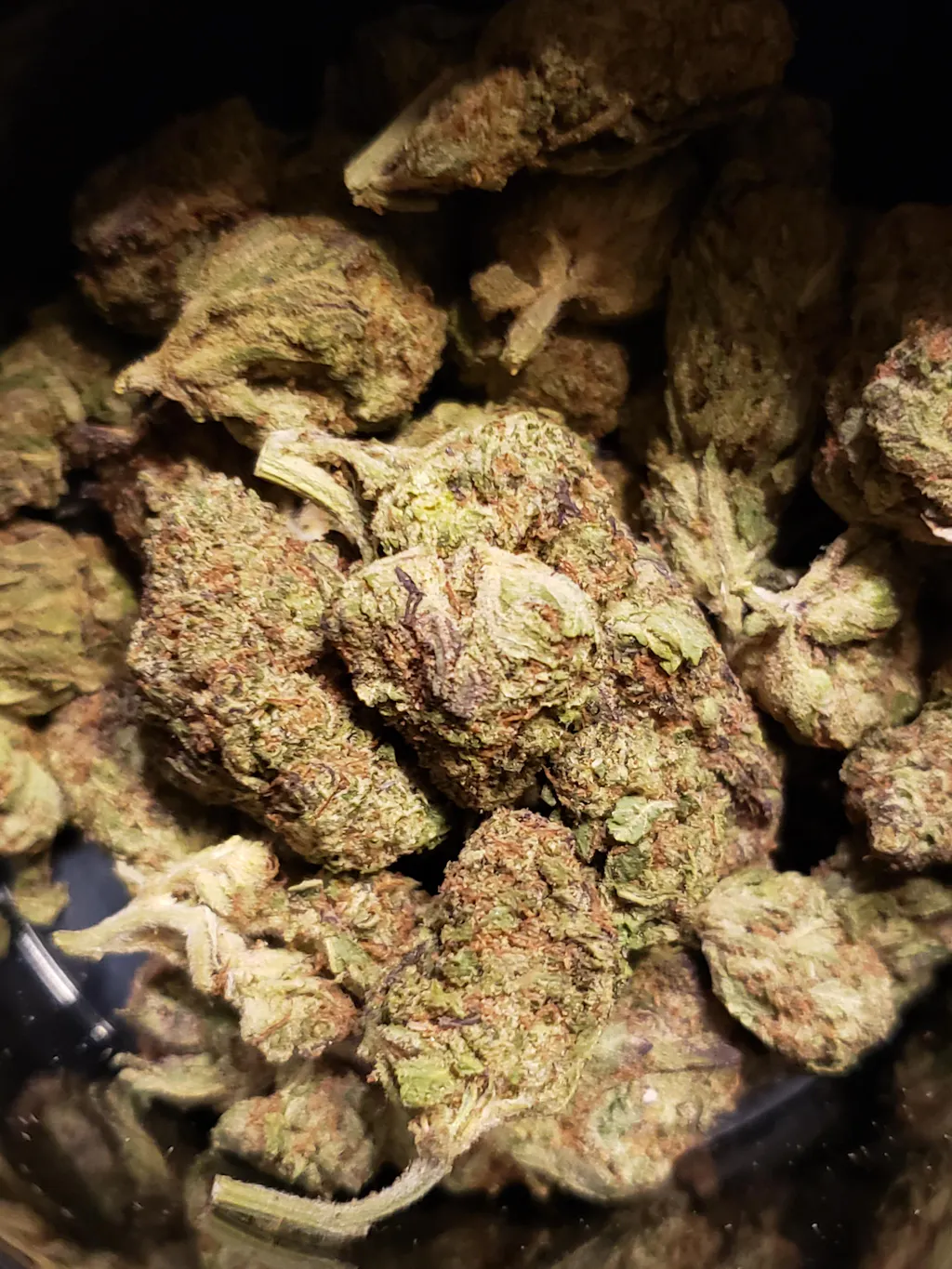
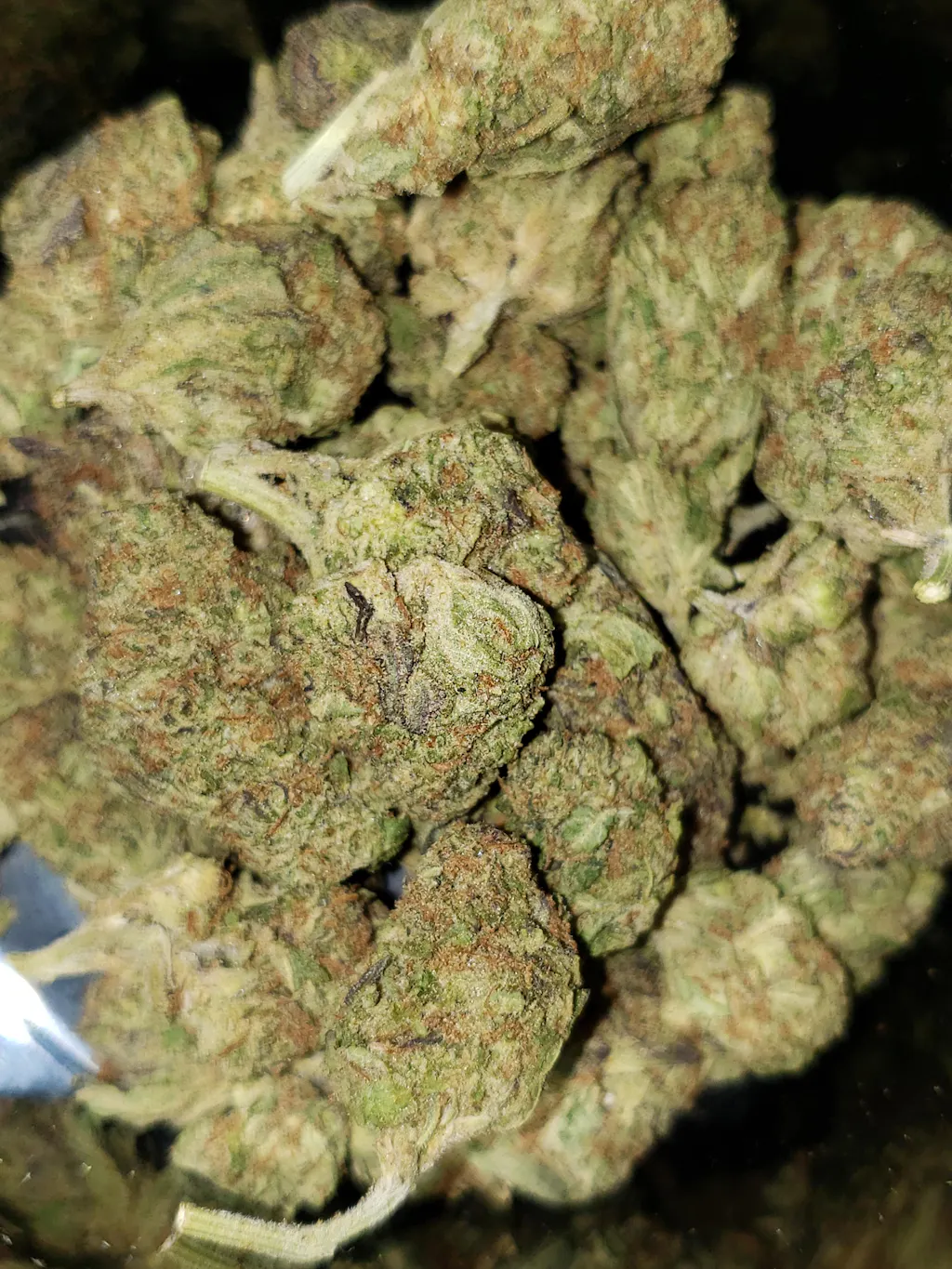
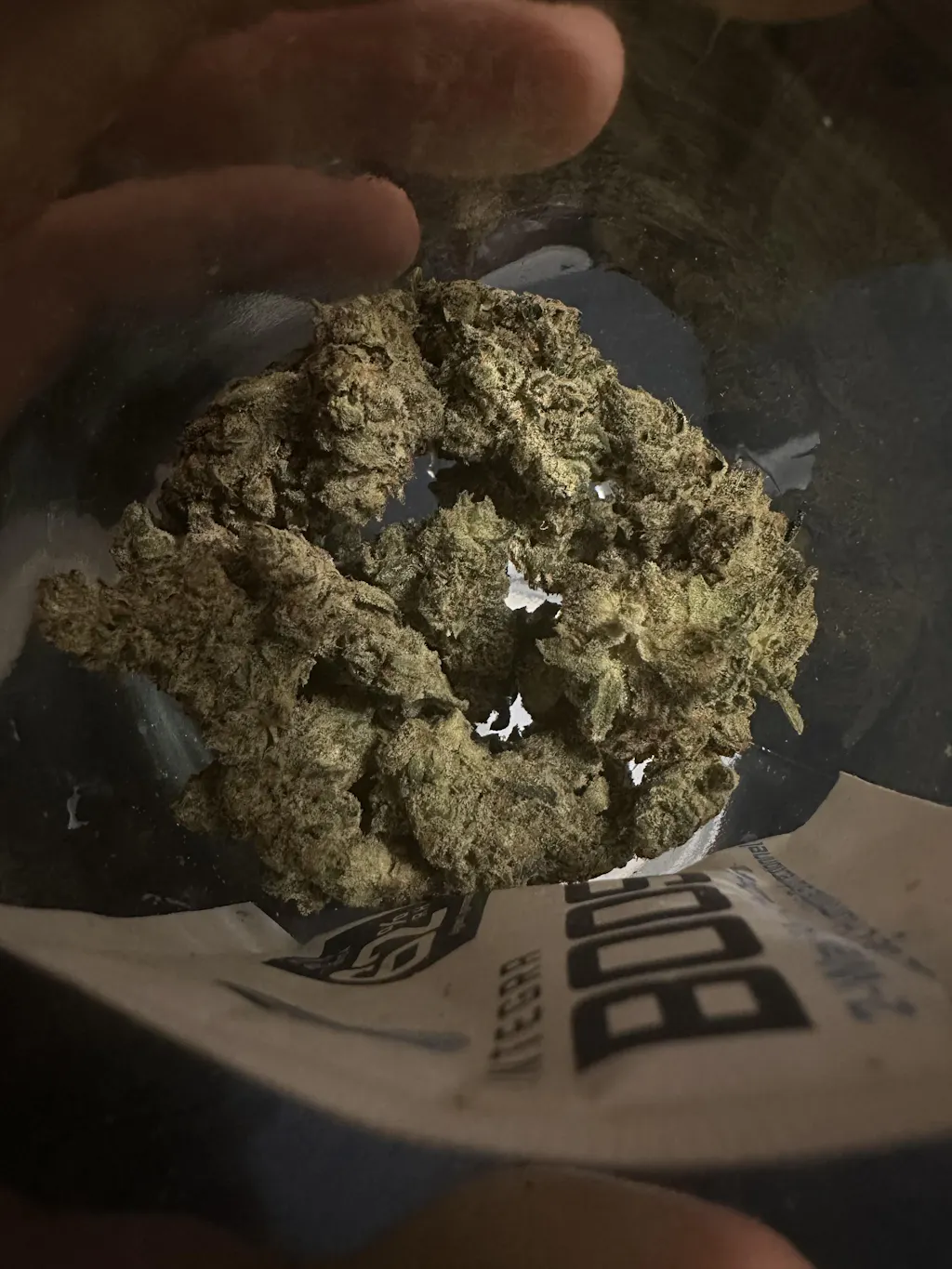
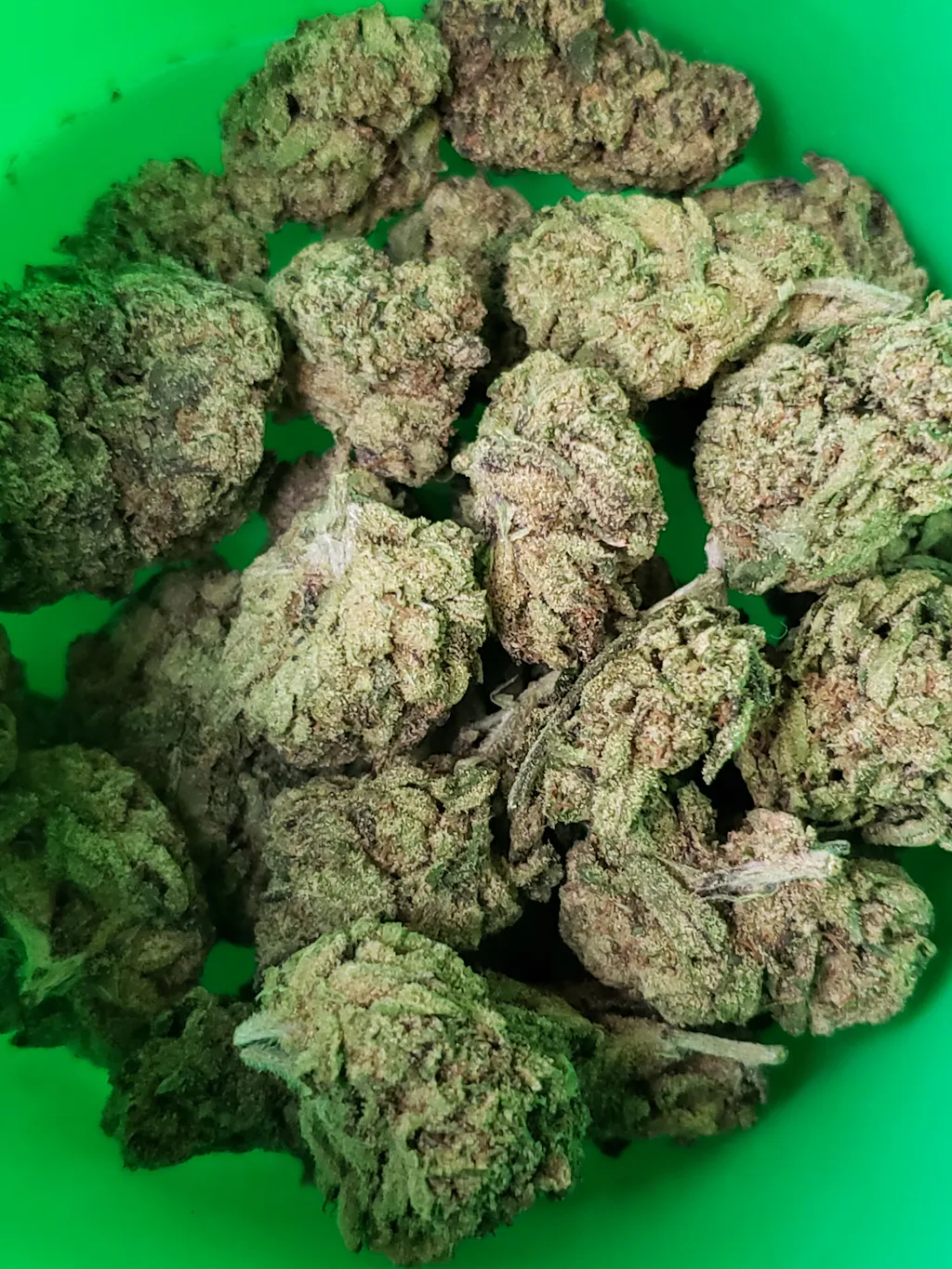
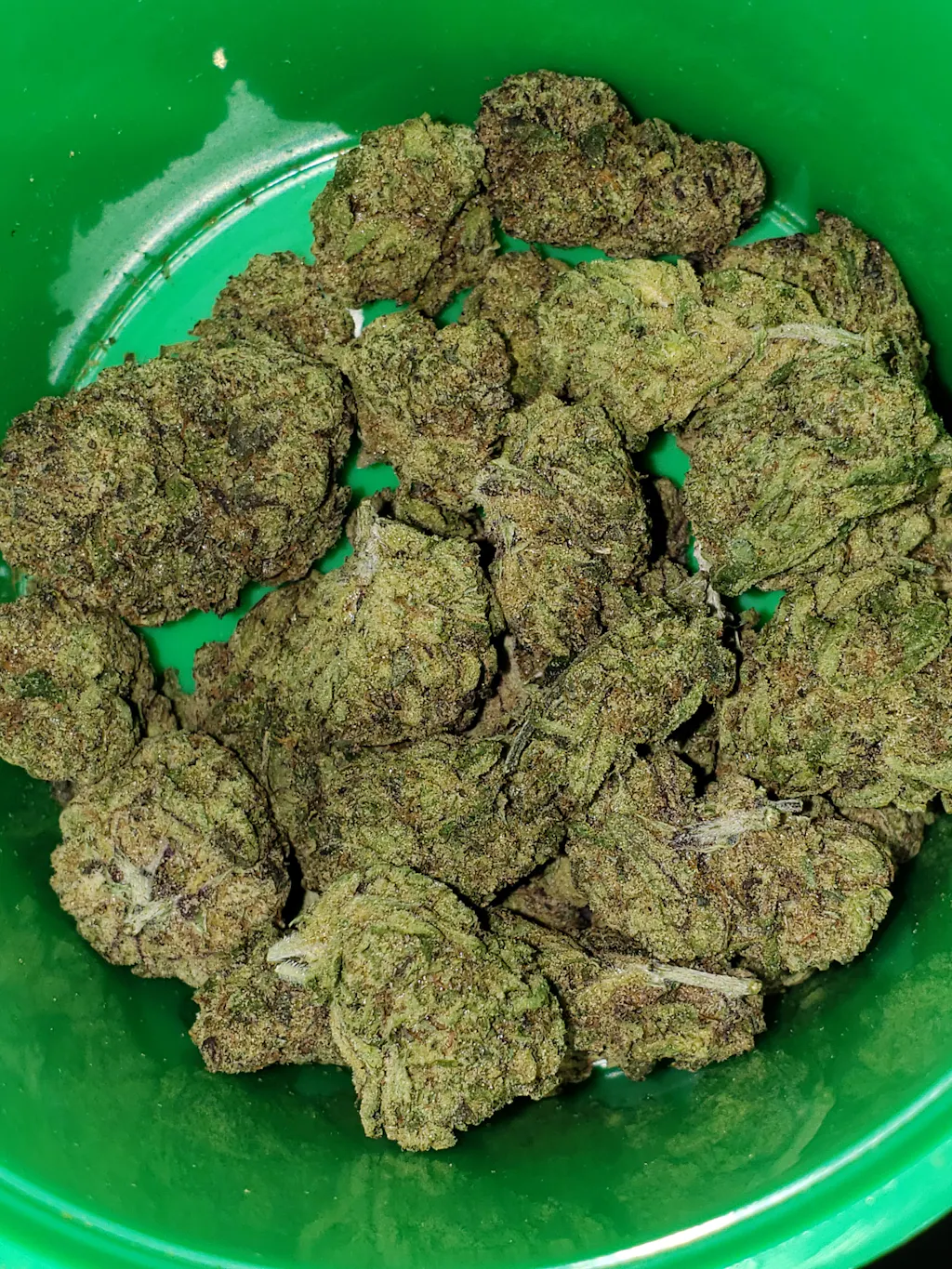
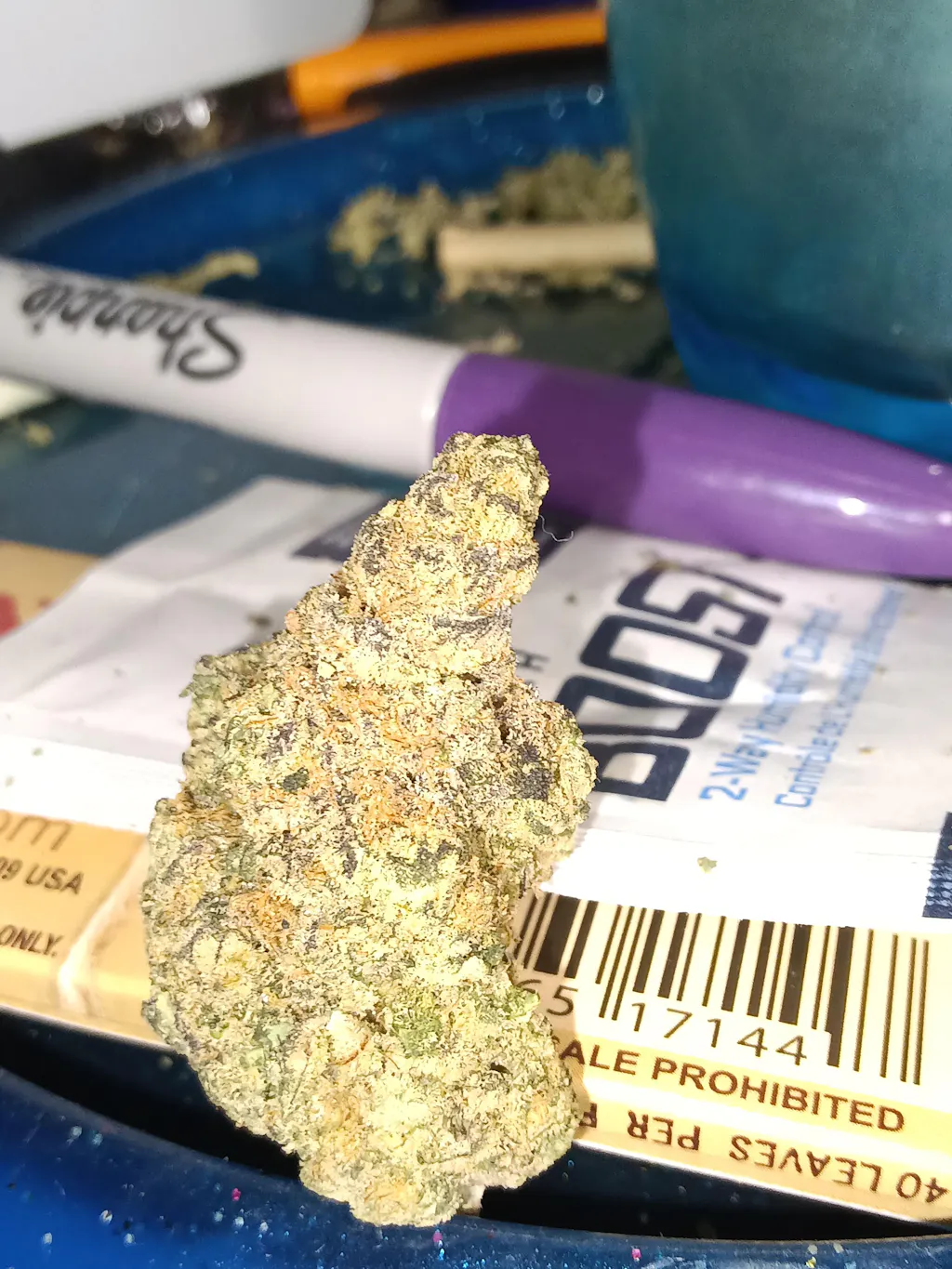
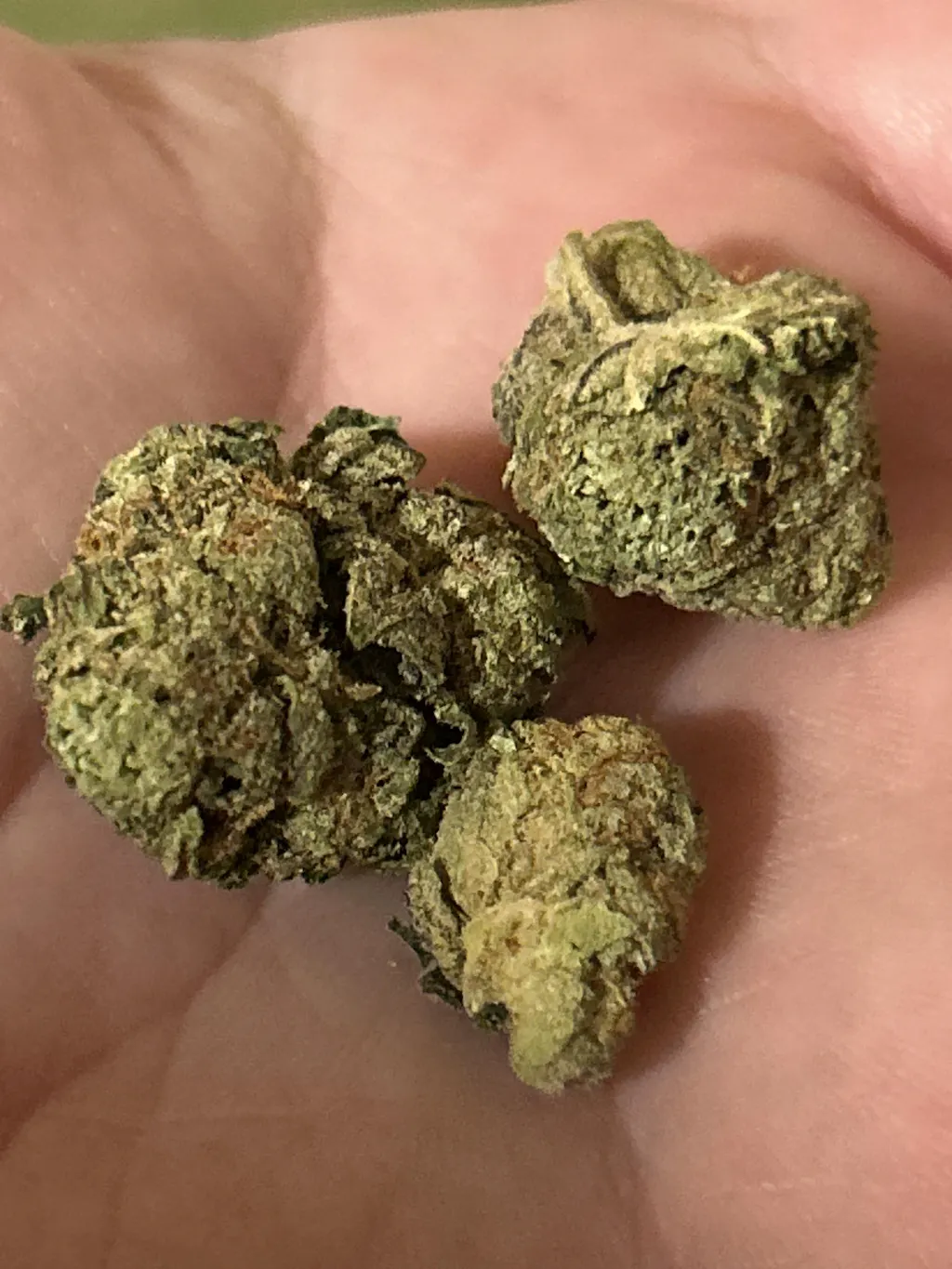
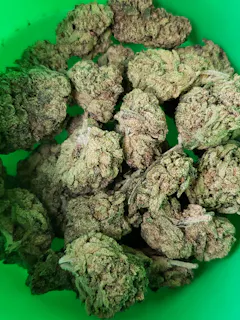
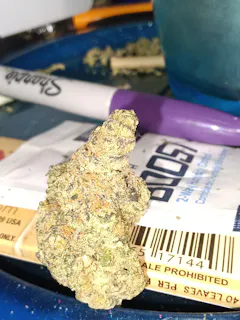
Indica THCa Flower: The Body-First Cannabis Experience Explained
You settle into the armchair after a long week and you feel the tightness drain from your muscles. That steady, heavy calm is the signature of the body centered cannabis effect. Indica THCa flower leads this plant based relaxation - the intact, raw buds carry a complete cannabinoid profile that becomes calming THC once you ignite them. The 2018 Farm Bill protects those hemp flowers as long as Delta-9 THC remains below 0.3% of their dry weight - the same "couch-lock" peace reaches you without violating federal law. The herb delivers a potent, natural option for anyone who must quiet both body and mind.
What Defines an Indica Cannabis Strain and Why It Matters
Botanical lineage determines the basic plan for your physical reaction. Jean Baptiste Lamarck first classified the type in 1785. Cannabis indica plants remain short and branch densely - they adapted to the severe mountain climate of the Hindu Kush. That harsh selection produced compact flowers covered in a dense layer of resin that protects the tissue. The resin contains specific heavy terpenes - myrcene, linalool and beta caryophyllene. For the modern user, those exact botanical characteristics guide the well known full-body sedative effect. The result depends on more than the cannabinoids - the full set of phytochemicals works together to slow rapid thought, lower tension plus ease sore joints after a long day.
How Indica THCa Flower Creates Deep Relaxation and Body Effects
The effect relies on heat and a group of terpenes that originate from fully grown indica flowers. Fresh plant matter contains THCa, a compound that does not influence mood. When flame or a vaporizer heats the material beyond roughly 105 °C, a process called decarboxylation strips one carbon dioxide group from each THCa molecule plus converts it into delta-9-tetrahydrocannabinol. This delta-9 substance attaches to the same locations in brain tissue that react to natural endocannabinoids and mood, perception but also motor control shift within seconds. Indica strains contain high levels of myrcene, a terpene that is also present in hop cones. Myrcene shortens the time delta-9 needs to cross the blood brain barrier and increases the quantity of receptors the molecule can access. The result is a swift reduction in skeletal muscle tension, followed by a strong feeling of heaviness as well as warmth that spreads through the limbs and torso.
Typical THCa Percentages Found in Indica Strains
Hemp raised indoors now matches the potency that cannabis once displayed in dispensaries. Breeders who handle indica hemp lines choose plants that yield the greatest cannabinoid content. Laboratory data on premium indica flowers list total THCa from twenty to thirty percent and numerous samples rise above that limit. After heat changes THCa into THC, even a small portion of this flower supplies a high dose of the active compound. The thick coat of trichomes characteristic of indica cultivars amplifies the outcome - the liberated THC floods the endocannabinoid system at a high level and stays active for a prolonged span.
Indica vs. Sativa vs. Hybrid THCa Flower: Choosing Based on What You Need
Select the plant type that produces the effect you seek - when you require a clear, alert state for painting, writing or conversation with friends, use a Sativa strain. This variety delivers a light, head centered boost that keeps you active. A Hybrid strain falls between the two principal categories - it mixes a mild body calm with a stable, cheerful mental condition and fits early evening relaxation. If you wish to shut out the day, mute severe body pain or remain asleep through the night, choose an Indica strain. Breeders developed this type to slow mental activity and relax tight muscles plus it serves as a potent bedtime aid.
The Effects Profile of Heavy Indica Hemp Buds
A slow physical calm spreads through the whole body, beginning at the head and finishing at the feet. A potent indica cultivar that carries a large amount of resin first shows itself as a gentle, warm pressure that gathers behind the eyes. This pressure soon changes into a weighty sensation that descends the neck, travels along the spine and reaches the arms plus legs. Those compact hemp flowers are cultivated to deliver a pronounced physical impact. People who use the cultivar often state that it reduces daily stress, loosens tight muscles and supplies a firm, grounded sensation. Mental changes stay light, while bodily changes remain pronounced. Focus shifts from external thoughts to the constant, heavy ease that settles on fatigued muscles.
Why Nighttime THCa Strains Dominate the Evening and Sleep Market
Millions of people set aside pharmaceutical tablets and use a plant to quiet the mind. As dusk arrives, the inner clock calls for rest - cultivars raised for night use release a natural cue. High levels of THCa convert to potent THC, while sedating terpenes mix in. The body meets a fixed routine before sleep. Those varieties launch slumber and keep it level until dawn. The outcome repeats each night - the same strains form the core of bedtime care.
Terpenes Behind Indica Effects: Myrcene, Linalool, and Beta-Caryophyllene
Those specific aromatic compounds create the strong body sedation and muscle relaxation that Indica strains show. Myrcene acts as a positive allosteric modulator at the GABA-A receptor plus also raises the permeability of the blood brain barrier - cannabinoids reach the central nervous system more quickly. Linalool blocks glutamatergic transmission, which reduces excitatory signaling in the brain and results in profound calm. Beta caryophyllene is pharmacologically unique because it is a dietary sesquiterpene that binds directly to CB2 receptors in the peripheral nervous system but also in immune cells, which gives local anti inflammatory and pain relieving effects without binding to CB1 sites as well as causing psychoactivity, as reported by NCBI/NIH.
Indica THCa Flower for Relaxation: What Users Consistently Report
Users notice their central nervous system operate at a reduced speed. The body gains weight and thoughts proceed more slowly. Heat converts THCa into Delta-9 THC. The altered molecule links as a partial agonist to CB1 receptors that gather in the basal ganglia plus cerebellum, regions that govern motion, muscle tone and stance. Sedating terpenes cooperate with THC but also also reinforce the attachment to those CB1 sites. The firmer attachment halts the enzyme adenylate cyclase. Within the cell, cyclic AMP (cAMP) declines - the neuron discharges fewer neurotransmitters across the synapse. This sequence relaxes skeletal muscle and reduces nerve excitation, outcomes that consumers frequently report.
Couch-Lock vs. Calm: How Potency Affects Your Indica Experience
Physical stillness increases as the total quantity of active THC rises and as the ratio of THC to myrcene becomes larger. "Couch-lock" describes a near complete loss of movement that occurs after strong, dose related activation of CB1 receptors. At a low dose or when myrcene is minimal, cannabinoids shift the autonomic system toward parasympathetic dominance - heart rate plus blood pressure fall slightly and the person enters a relaxed state without anxiety. When THC concentration climbs, the molecule saturates CB1 receptors in the motor cortex but also also reduces acetylcholine release. This blockade stops neuromuscular transmission, prevents sustained muscle contraction and causes the body to feel so heavy that the person struggles to initiate any voluntary movement.
Top Indica THCa Strains to Know
A person who identifies the precise genetic cultivar predicts the exact neurochemical sequence that follows. Every cannabis strain equals a unique set of phytochemical instructions. Although "Indica" is sorted botanically by wide leaf blades and short height, the plant chemotype controls the pharmacological result. The main therapeutic strains display a stable genetic route that creates large amounts of THCa plus high quantities of calming sesquiterpenes - this gives repeatable receptor activation that selects CB1 and GABA receptors and mostly bypasses dopamine pathways.
Classic Heavy-Hitting Indica THCa Strains
Granddaddy Purple besides Afghan Kush attract attention because their flowers contain an unusually high count of glandular trichomes that discharge both THCa and myrcene. Breeders selected parent plants for decades to obtain the densest capitate stalked trichomes, the sites where the plant synthesizes cannabinoid acids. Once heat transforms THCa into THC, the abundant supply saturates the CB1 receptors of the endocannabinoid system. The excess myrcene alters the lipid bilayer of nerve cell membranes, accelerates THC passage into cells and induces swift sedation along with general central nervous system depression.
Best Indica THCa Flower for Sleep Without the Knockout
Strains that have a high level of linalool and a low level of THCa support the natural pattern of sleep. They do not trigger a sudden loss of motor control or cause sluggishness the next day. Those cultivars help the user feel drowsy without a major loss of coordination. They work - adjusting the adenosine besides GABA systems instead of shutting down the motor cortex. Linalool slows down the excitatory signals from glutamate and increases baseline GABA activity. This shift allows the central nervous system to move gently toward a sleep state. The low THCa content activates CB1 receptors enough to lower the time it takes to fall asleep. It also avoids the sudden loss of awareness and the drop in REM sleep that strong strains often cause.
Indica THCa Strains with the Most Distinct Terpene Profiles
Genetic lines like Northern Lights besides Purple Punch provide relief that affects multiple body systems simultaneously because they generate a broad spectrum of secondary metabolites. The therapeutic effect of those selected varieties relies on the pharmacological process known as the "entourage effect", where a complete set of terpenes interacts with multiple physiological targets right away. For instance, a small quantity of alpha pinene reduces the short term memory disruption triggered by THC because it inhibits the enzyme acetylcholinesterase, while beta caryophyllene decreases inflammation in particular tissues - activating peripheral CB2 receptors. This complex action on multiple targets promotes stable regulation throughout the whole organism, a result that purified synthetic cannabinoids do not accomplish.