What Is Hybrid THCa Flower and Why the Cannabis World Loves It
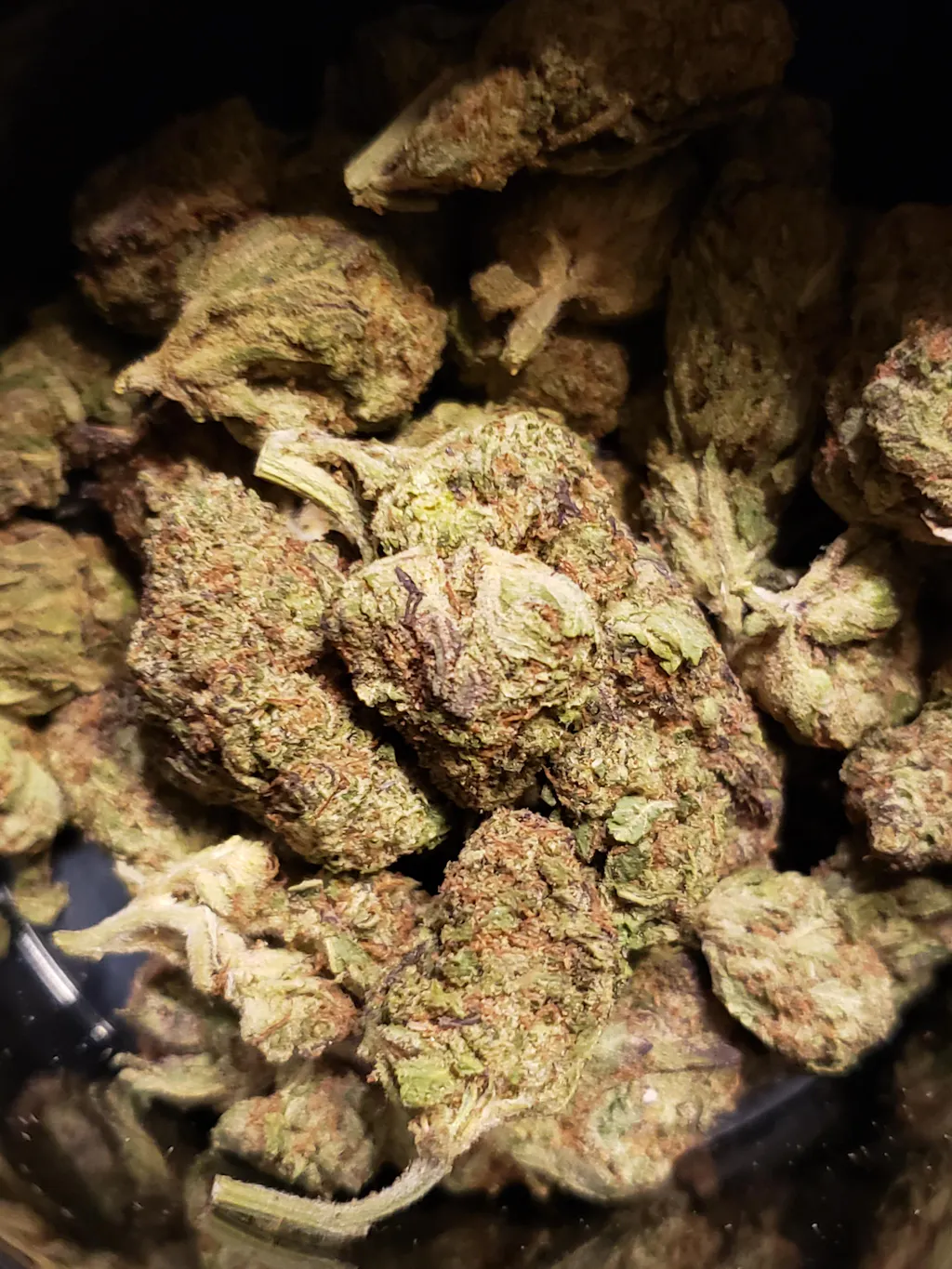
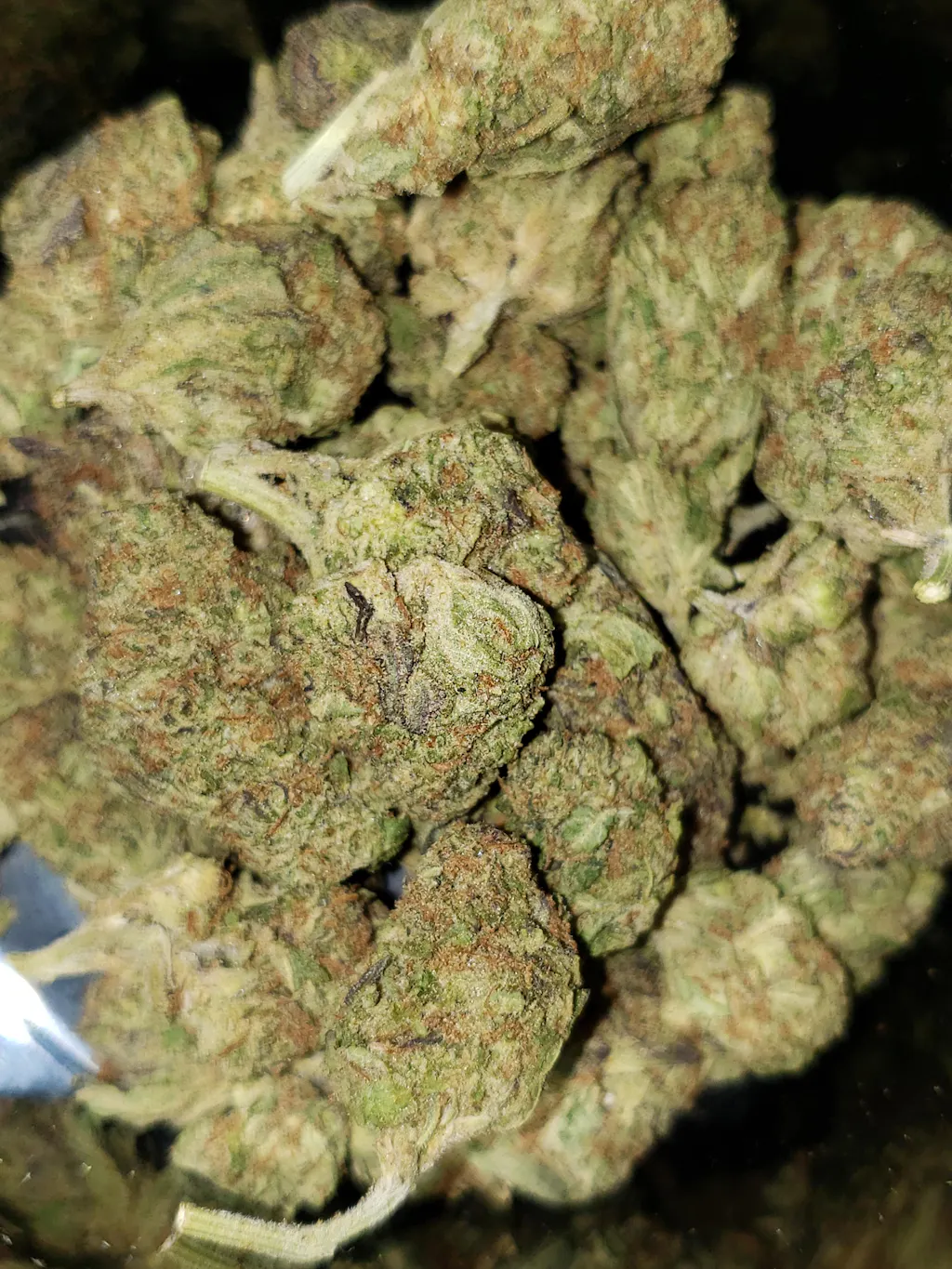
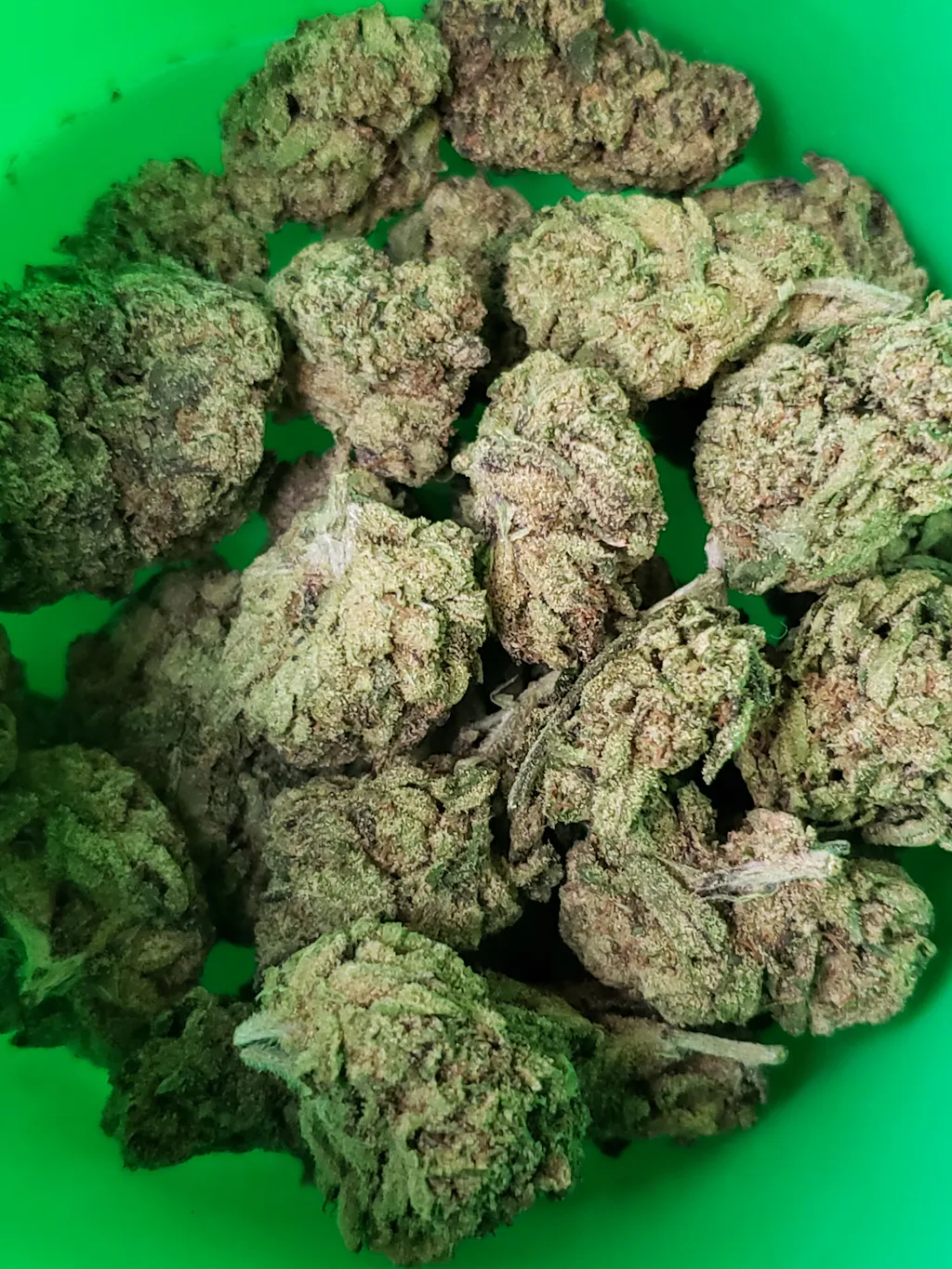
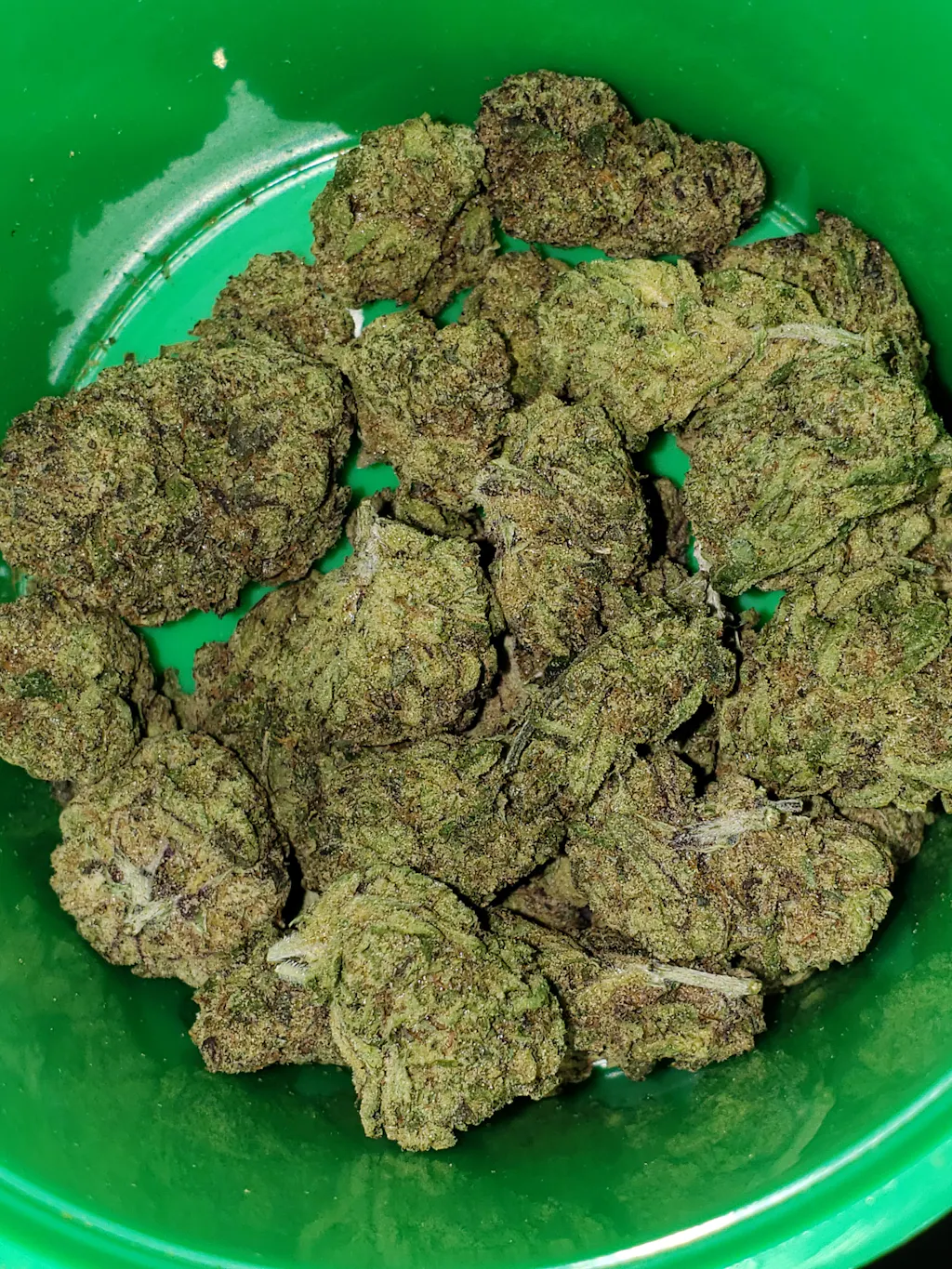
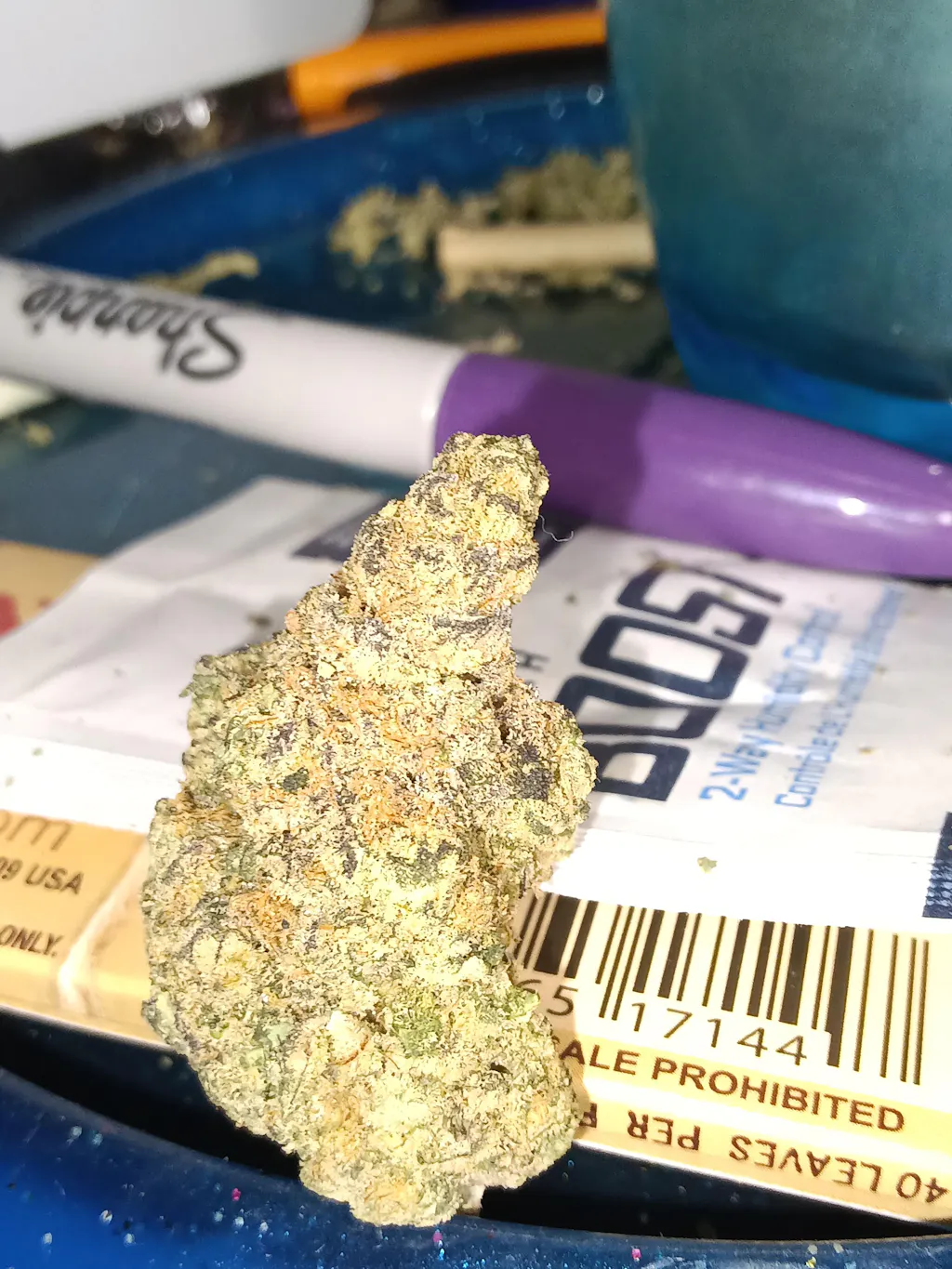
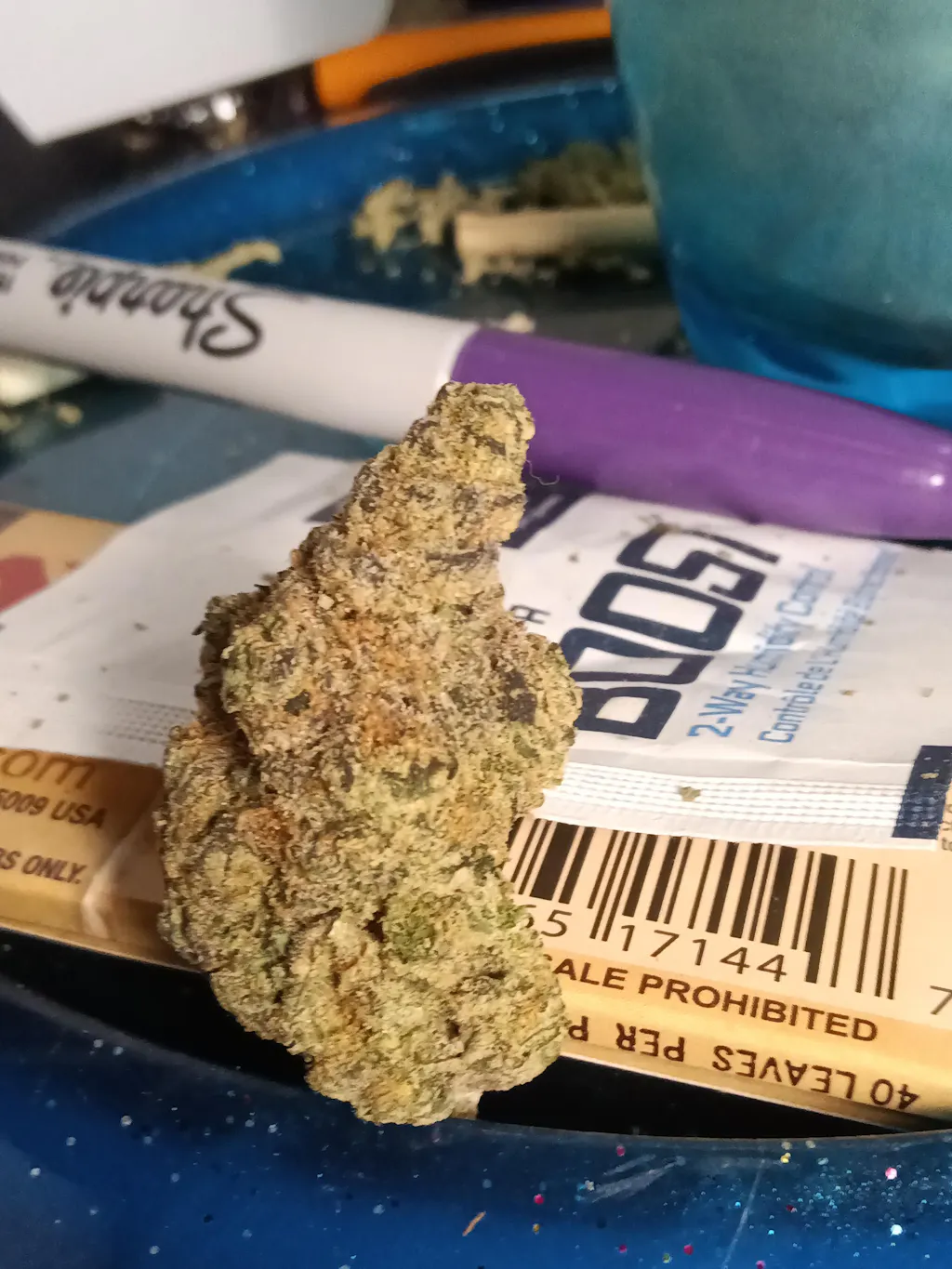
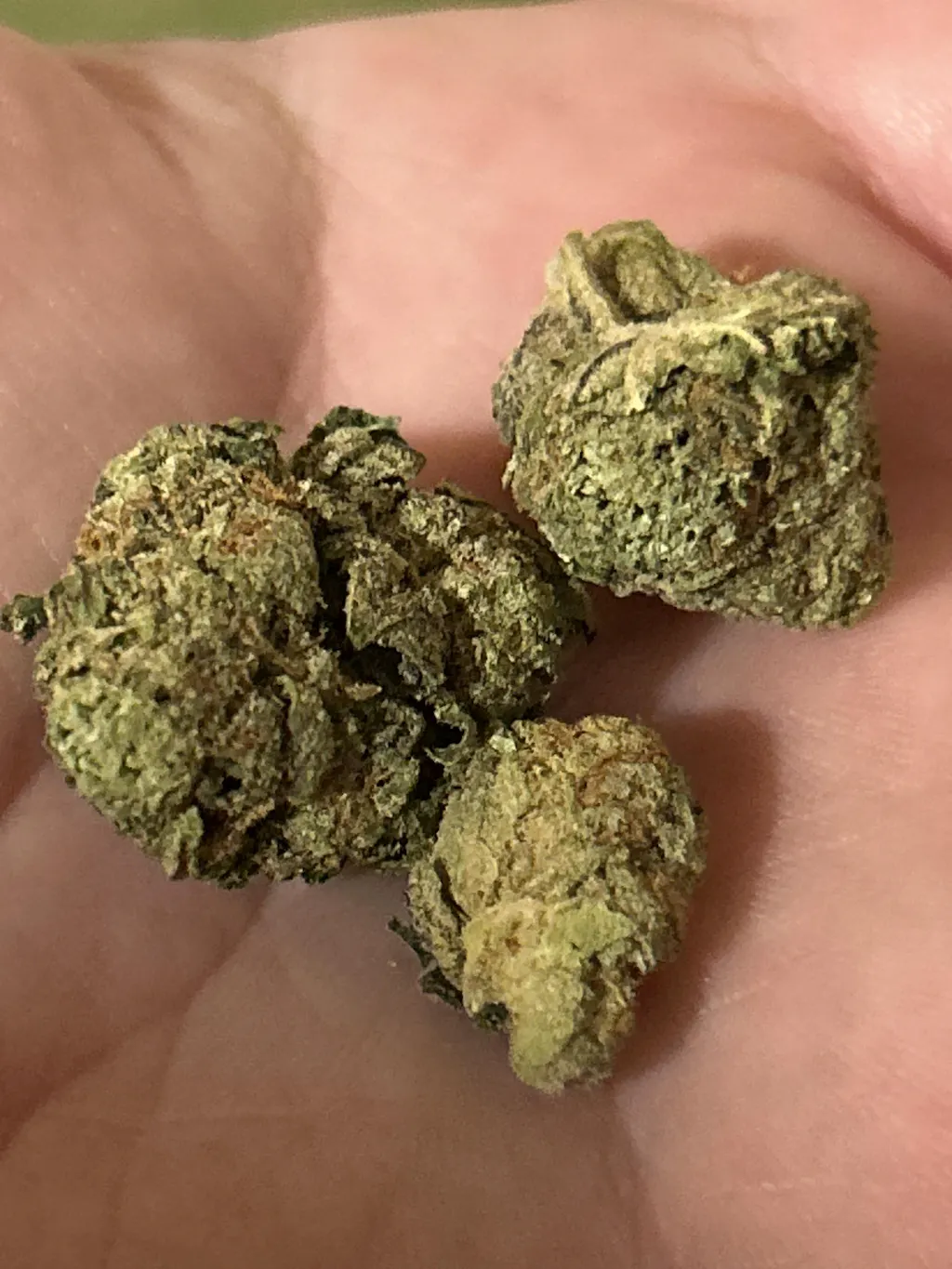
Individuals who want quiet and an even mind often pick hybrid THCa flower. This hemp flower contains tetrahydrocannabinolic acid, a raw molecule that does not affect awareness. When a flame or vaporizer heats the bud, it strips away a carbon group and converts the acid into Delta-9 THC - the user experiences the same rise that traditional cannabis delivers. Breeders cross two or more strains to produce one plant that acts on both mind plus body right away. Laboratory results must show that the dried flower holds no more than 0.3 percent Delta-9 THC by weight, a limit written in the 2018 Farm Bill. That requirement allows companies to mail premium buds to every state.
The Genetics Behind Hybrid Strains: Indica x Sativa Explained Simply
To understand how the plant functions, you should study its biology. Early cannabis accounts state that Sativa plants grow tall, bear narrow leaflets and create a bright, alert mental effect, while Indica plants remain short, branch densely and deliver a calm, heavy physical relaxation. Current botany shows that almost every modern strain is a polyhybrid but vendors still tag products with those two terms to indicate the likely sensations. Breeders behave like precise technicians - they merge the bright, cerebral Sativa genome with the deep, pain relieving Indica genome. Over successive generations they select plus fix the wanted attributes so that each fresh seed line displays the most powerful characteristics of both parents. The interaction of dominant and recessive alleles produces progeny rich in terpinolene that help the mind stay focused or progeny packed with myrcene that lower tension without total sedation.
How Hybrid THCa Flower Delivers Both Body and Head Effects in One Hit
The entourage effect shows up when two events coincide - a person ignites hybrid THCa flower and the heat converts raw cannabinoids into active THC. At the same time, the flame liberates a specific group of terpenes together with minor cannabinoids. Hybrids inherit genes from multiple lines - their trichomes contain a wide array of scent molecules. A single inhalation can carry limonene - this molecule reaches receptors in the brain, elevates mood plus triggers creative thought. A few minutes later, caryophyllene and linalool that originated from the Indica lineage circulate through the central nervous system, relax tight muscles but also lower physical tension. This pharmacologic balance blocks the jittery acceleration typical of a pure Sativa and also blocks the heavy sedation typical of a pure Indica. The outcome is a stratified high that changes gradually as minutes pass.
THCa in Hybrid Strains: Potency Numbers You'll Actually See on the Label
Past norms no longer fit, because hybrid strains now reach extreme potency. Indoor cultivators set light, temperature, humidity and nutrient solutions to precise values. Those changes lifted the strength of hybrid flowers well beyond earlier ceilings during the last decade. Laboratory reports for top grade THCa lots usually record the cannabinoid at 20 percent plus frequently above 30 percent. THCa remains stable in fresh plant tissue - hybrid lines produce large colas that ooze trichomes and show record readings. Seasoned reviewers but also long term users observe that a flower labeled 28 percent THCa does not always feel stronger than one marked 22 percent. The batch with the lower value wins when its terpene profile is broader. The THCa number only indicates that abundant Delta-9 THC will form once heat is applied. The decisive factors are the hybrid's terpene totals, which generally fall between two and four percent. Those aromatic molecules determine depth, duration as well as flavor of the final effect.
Hybrid vs. Indica vs. Sativa THCa Cultivars: Which One Fits Your Day?
Choose a cannabis type in the same way you choose music that fits the day. If you need strong energy, outdoor activity or steady focus for a creative task, select a Sativa dominant strain. When night comes and you want to calm a restless mind or relieve a sore back, an Indica strain provides full relaxation. Hybrids work as flexible tools for the hours in between. A 50/50 balanced hybrid suits a slow Sunday, a busy social event or a hobby that requires light movement and a clear head. This middle option adjusts to changing plans - you remain neither overstimulated nor too drowsy to talk.
Why Blended THCa Hemp Is the Most Versatile Option on the Market
Flexibility stands out as the key advantage of modern cannabis. Growers and consumers prefer mixed genetic profiles because such strains eliminate the need for an elaborate storage setup. Instead of buying distinct containers for morning stimulation plus evening sedation, a well chosen hybrid acts as a single botanical solution. A low dose typically highlights the mental uplift - users remain clear enough for daytime work or social events. A larger dose taken at night lets the heavier body effects accumulate and nudges the person toward quiet rest. One product therefore stays inexpensive but also straightforward for beginners who map their individual endocannabinoid reaction but the same hybrids still offer enough complexity to satisfy demanding connoisseurs.
Daytime Hybrids vs Nighttime Hybrids: How to Tell the Difference
Middle-ground hybrids differ because each one traces back to a single dominant parent line. Every hybrid carries mixed genes but a "daytime" type possesses roughly sixty to seventy percent Sativa ancestry. Those varieties release a sharp citrus, diesel or pine aroma and provide a clear head effect with steady focus, together with a light physical calm that restrains nervous tension. "nighttime" hybrids shift the balance toward Indica - their flowers form dense, compact clusters and their scent recalls soil, musk or sweet berry. The first impact warms plus also weighs on the body, while the mind remains bright enough to follow a film or a book until sleep arrives. Read the official strain text, note the main terpenes listed in the lab report and learn the parent names. Those three steps allow you to predict how any hybrid will shape the hours that follow.
Terpene Profiles in Popular Hybrid Strains and What They Mean for Effects
Terpenes alter the form of cannabinoid receptors and guide the mental impact of a hybrid strain. THCa initiates the primary drug effect - it converts into Delta-9 THC plus binds to CB1 sites in the brain and spinal cord. After this stage, the aromatic molecules known as terpenes refine the signal. A study cited at entourage effect reports that beta myrcene widens the blood brain barrier so a greater amount of cannabinoid passes through but also it also relaxes muscle. Alpha pinene inhibits the enzyme that degrades acetylcholine - THC-related short term memory loss decreases. In hybrid cultivars, limonene activates 5-HT1A serotonin receptors while linalool reduces glutamate release. The two pathways intersect and yield a customized drug combination that neither a pure sativa nor a pure indica provides.
Why Most Experienced Smokers Default to Hybrid THCa Flower
Long-term cannabis users often select hybrid varieties because those strains keep CB1 receptors active and provide two distinct phases of drug action. When a person consumes only high-THC strains that target one receptor type for weeks or months, CB1 receptors in the basal ganglia and hippocampus become less sensitive plus retreat into the cell. A hybrid THCa flower delivers a broader range of phytocannabinoids and terpenes. Those compounds interact with multiple sites beyond the endocannabinoid system, including TRP ion channels besides PPAR gamma receptors. Because the stimulus distributes across multiple pathways, no single route becomes overloaded - tolerance develops at a slower rate. After the user inhales or ingests the hybrid, it first prompts a surge of dopamine in the mesolimbic tract and the person feels alert. During the same session, GABA release increases, muscles relax but the user does not fall into deep sedation.
The Role of Cannabinoid Ratios in Shaping Hybrid Effects
A hybrid strain that contains equal parts of each cannabinoid fixes how strongly each molecule docks to the brain's natural receptors and determines whether one molecule shuts out another. In hybrid inflorescence that is chiefly THCa, the minor acidic cannabinoids - CBGa, CBCa plus traces of CBDa - turn active after heat removes their carboxyl group. Once this reaction finishes, Delta-9 THC slots straight into the CB1 receptor pocket and triggers a sequence of G-protein signals within the cell. If the hybrid instead holds a large share of CBD or specific rare cannabinoids, those molecules lodge at a separate zone on the CB1 receptor but also also bend its structure. That bend weakens THC's hold and reduces unwanted effects like fast heartbeat or severe anxiety. By holding those cannabinoid ratios precise, modern hybrids brake the release of presynaptic neurotransmitters to a defined level as well as fix the intensity of the psychoactive outcome.
Top Hybrid THCa Strains Worth Knowing by Name
Scientists value specific hybrid strains because their genetic pattern has stabilized - each plant produces an identical chemical profile and causes the same neural response. Plant breeders identify precise DNA markers and, through successive generations, cultivate THCa flowers that maintain consistent ratios of secondary metabolites. Those elite hybrids represent the peak of crop science - every harvest delivers a fixed quantity of phytocannabinoids. Consumers seek this repeatable chemistry because it provides a predictable change in endocannabinoid tone. The precise combination of cannabinoids and terpenes governs how cells in the central plus peripheral nervous systems respond.
Balanced Hybrid THCa Strains for All-Day Use
Balanced hybrids contain a genetic profile that maintains mental alertness while the body remains relaxed. Breeders stabilize the ratio so that approximately half of the secondary compounds produce stimulation and half produce sedation. After inhalation or ingestion, alpha pinene plus beta myrcene enter the bloodstream simultaneously and transmit opposing signals to the nerves. Pinene inhibits the enzyme that breaks down acetylcholine - the chemical persists in the synapse while the mind stays clear. Myrcene raises the probability that GABA binds to its receptor, which suppresses motor neuron activity. Those two responses neutralize each other - the endocannabinoid system remains active but also the central nervous system avoids both agitation and deep sedation. Individuals who require an even state during daytime hours often choose those cultivars.
Sativa-Dominant Hybrid THCa Flower: Energy Without the Anxiety
Sativa-dominant hybrids stimulate dopamine pathways that sustain clear thought and introduce small quantities of calming terpenes that settle an overactive amygdala. A pure sativa strain that contains a high level of THC often overstimulates the amygdala - the brain's fear center - so the user first experiences elevation plus later anxiety. Breeders prevent this rebound - inserting indica genes into the sativa line. The primary terpenes, terpinolene and limonene, prompt the brain to release extra dopamine but also serotonin, which heighten attention and also improve mood. In parallel, the hybrid genome adds a low amount of beta caryophyllene. This sesquiterpene binds to CB2 receptors located throughout immune as well as nerve tissue, lowers inflammation signals and also blunts the sudden adrenaline spikes that generate fear or paranoia.
Indica-Dominant Hybrid THCa Flower: Relaxation That Keeps You Functional
Paragraph 1 Indica-dominant hybrids change the nerve paths that carry pain and lower activity inside the central nervous system but they leave the prefrontal cortex free to manage executive tasks. Paragraph 2 Classic heavy landrace indicas slow nerve firing until the body drifts into deep drowsiness. When breeders cross those strains with other lines, the new plants inherit a natural brake on sedation. Paragraph 3 After the plant matter is decarboxylated, Delta-9 THC joins the abundant linalool to strengthen the inhibitory GABA signals. Smooth muscle relaxes and the stream of pain signals from the body declines. Paragraph 4 Recessive sativa ancestry preserves a group of terpenes that increase blood flow through the brain. Because the frontal lobes continue to receive active cholinergic input, the user feels strong bodily comfort plus less anxiety while still able to judge distance, retain memories and carry out complex mental tasks.