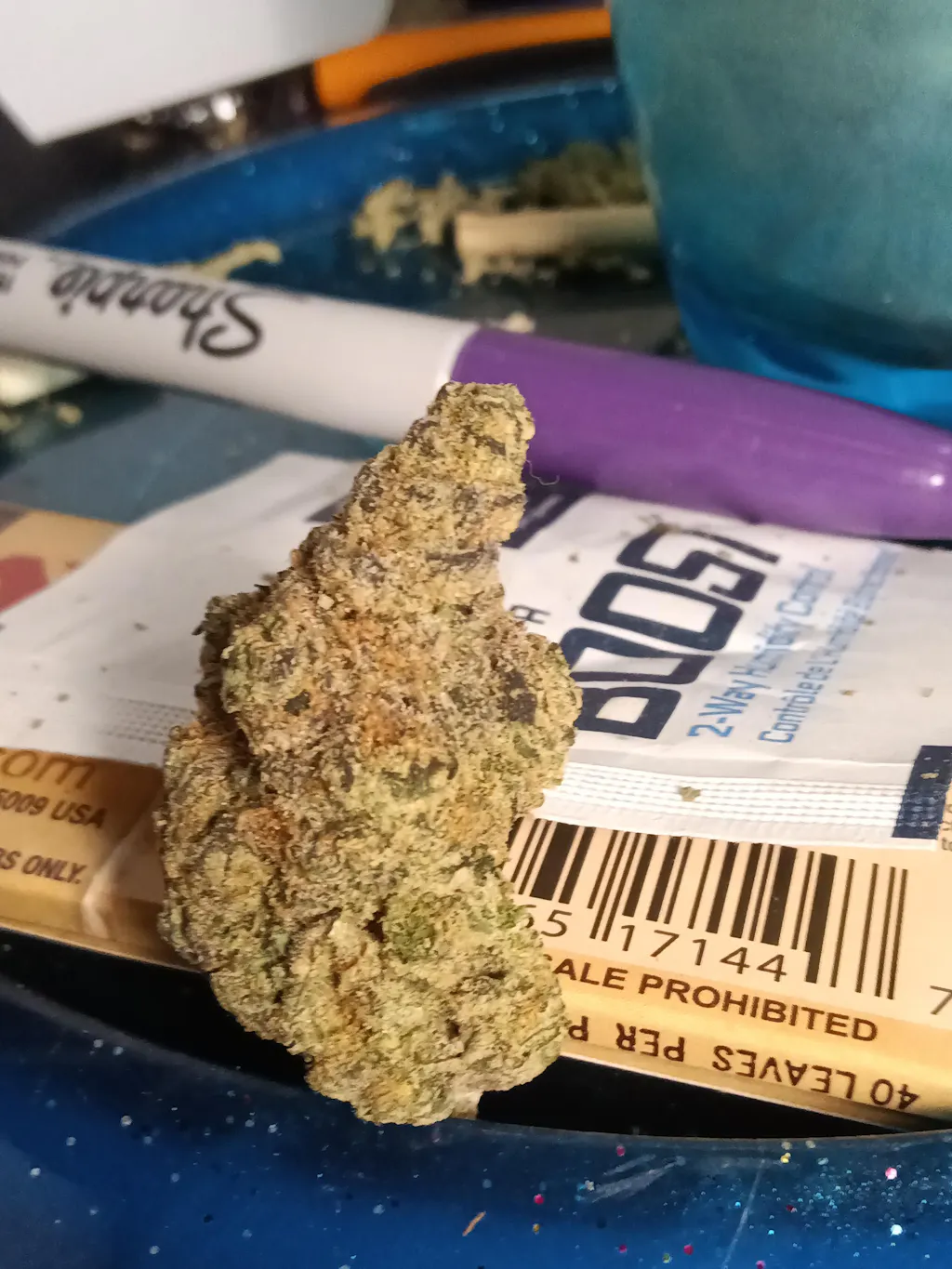
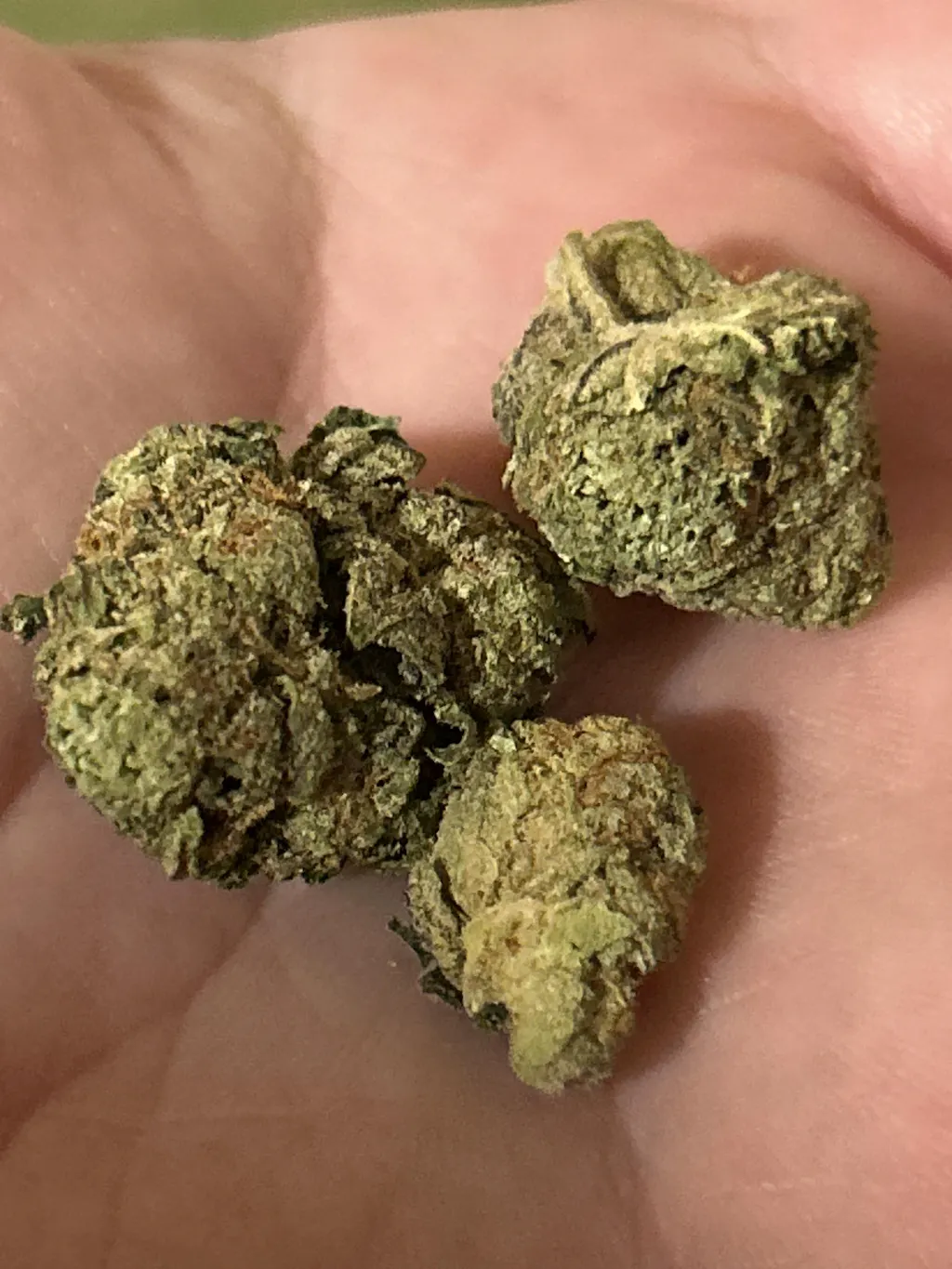
Focus Gummies: What They Actually Contain and Whether They Work
Mid-day mental cloudiness affects most people - recent cannabis research points to a straightforward response. For years, popular opinion claimed that cannabis caused only heavy sedation and distant euphoria - it seemed incompatible with productive work. That opinion shifted after focus gummies appeared on the market. Each edible contains a small, measured quantity of cannabinoids together with specific plant derived nootropics. The aim is to tune brain chemistry rather than flood it. Those gummies interact with the endocannabinoid system to lower stray thoughts plus to support steady concentration. Federal law treats them as ordinary hemp products. Any chew that contains less than 0.3 % Delta 9 THC by dry weight satisfies the 2018 Farm Bill standard and ships nationwide. Professionals now examine the exact contents of every piece but also also ask whether the combination of cannabis derivatives and attention supporting botanicals delivers a measurable increase in mental performance.
The Difference Between a Focus Gummy and a Generic THC Gummy
Generic THC gummies serve relaxation or whole body calm - each piece carries a high amount of delta-9-tetrahydrocannabinol and usually contains myrcene, a terpene that deepens sedation. A focus gummy has a distinct goal. The formula supports daytime activity. The THC dose stays within micro levels - the mind receives only a gentle lift plus the mood improves without mental fog. Sedative agents are left out. Small quantities of cannabigerol or tetrahydrocannabivarin replace them, along with pinene and limonene terpenes that encourage alertness but also legal nootropics like L-theanine or lion's mane mushroom. The finished mix allows the person to remain upright, alert and prepared for complex tasks rather than fixed to the sofa.
How Cannabinoids Affect Attention and Cognitive Performance at Low Doses
Cannabis sharpens thought only while the dose stays small - pharmacologists label this pattern biphasic action - one compound produces opposite bodily effects when the quantity shifts from tiny to large. A high amount of THC blocks short term recall and scatters focus. A micro amount does the opposite. Beneath the high threshold, cannabinoids reach CB1 receptors in the brain plus prompt a slight release of dopamine. This modest increase helps planning, motivation and stable attention. A person who limits the dose senses background anxiety grow quiet but the chief inner voice that halts deep work weakens. The mind remains clear but also the task keeps the person engaged without pause.
Natural Focus Gummies vs. THC Focus Gummies: Two Different Mechanisms
The wellness market now divides into two distinct paths that both promise peak productivity. The first path relies on plant only blends. The second path adds cannabinoids to the formula. Natural focus supplements rest on a core set of adaptogens, medicinal mushrooms like cordyceps and herbal stimulants. Those ingredients raise blood flow to the brain and shift cortisol levels over multiple weeks. They work - giving broad nutritional support and the user must take them daily so that the effects build up over time. THC-infused focus gummies act on the endocannabinoid system within minutes. Each piece carries psychoactive compounds in doses too small to enter conscious awareness but the compounds still trigger a sudden, clear change in perception. Those edibles do not merely support long term brain health - they alter the current mental state and cut down the inner push back that shows up when a person faces a hard task. The most efficient functional edibles merge the two methods. They link the rapid shift in outlook that cannabinoids supply with the steady cognitive support that natural nootropics provide.
Why Gummies Are Replacing Nootropic Capsules for Everyday Focus
People lose patience with daily pills - to keep the mind alert, they now choose a method that engages taste and smell and gives enjoyment. Biohackers, students and office staff who sought sharper focus swallowed multiple nootropic capsules every day. They saw focus as a clinical duty. Gummies have broken that pattern. They convert a forced chore into an agreeable ritual. The sweet flavour is not the only shift. The gummy form also offers the body distinct benefits. Chewing releases enzymes in saliva. Those enzymes begin to break the active molecules while the gummy rests beneath the tongue. This stage happens before the blend meets the harsh acid of the stomach - a higher portion of the molecule can pass into the blood. In addition, the brain pairs the pleasant shape with a small reward. This pairing sets up a helpful loop. When the daily dose of focus comes as a tasty morsel, the user keeps the habit. Regular use sustains the clear state that demanding work requires.
The Ingredients That Drive Focus in a Quality THC Gummy
Real gains in mental performance demand a precise blend of active compounds, not a single substance. When you examine a high grade functional edible, the ingredient list should read as a transparent blueprint for the brain. The foundation is normally a calibrated microdose of hemp derived Delta 9 THC, tuned to elevate mood while judgment stays sharp. On top of this foundation rest minor cannabinoids that act in a stimulant fashion - the most prominent is CBG (Cannabigerol), a molecule that now draws broad attention for its effect on cellular energy and lucid thought. To round out the stack, leading manufacturers include botanical agents like vitamin B12 for natural stamina, Rhodiola Rosea to counter mental fatigue besides L-theanine to smooth the cerebral rise. This deliberate layering of compounds delivers focus that remains acute, free of jitters and stable from dawn to dusk.
Low-Dose Delta 9 and Focus: What the Dose-Response Curve Shows
A worker who wants to stay productive should pick a Delta-9-THC dose that sits on the early, rising section of the dose response curve. Research and user accounts show that this curve forms an inverted U. Between one plus five milligrams, Delta-9 lifts mood and acts as a light stimulant. Hearing but also touch grow sharper - the mind generates many ideas and stays flexible - new solutions emerge. Once the dose leaves this narrow band, benefit ends as well as then reverses - attention fragments and fatigue arrives, like the aftermath of heavy cannabis use. A focus edible that is crafted with precision keeps the consumer on the left, ascending arm of the curve. It uses the bright, energizing side of the molecule or ushers the user into flow but it keeps intoxication out of range.
Lion's Mane, L-Theanine, and Other Nootropic Add-Ins in Focus Gummies
Nootropic compounds affect cannabinoids to change how neurotransmitters are released and to switch on the growth of new neurons. Lion's Mane mushroom, Hericium erinaceus, contains hericenones plus erinacines. Those compounds start the production of Nerve Growth Factor besides Brain Derived Neurotrophic Factor. Those proteins expand neural adaptability and promote myelin creation in the hippocampus but also both effects directly strengthen learning and the storage of memories. L-Theanine is an amino acid that has a structure similar to glutamate. It crosses the blood brain barrier as well as increases the amounts of GABA, serotonin and dopamine. At the same time, it prevents L-glutamic acid from binding to excitatory glutamate receptors. This sequence lowers excessive activity in the central nervous system or creates a calm but alert condition. That state pairs effectively with low doses of cannabinoids and prevents restlessness.
Terpenes for Concentration: How Pinene and Limonene Play Into Focus Formulas
Some terpenes attach to secondary receptor sites that sit apart from the main active pocket of the enzyme acetylcholinesterase and stop its action, an effect that supports clear thought. Alpha pinene slows this same enzyme in brain tissue - the enzyme normally splits the neurotransmitter acetylcholine, a chemical required for learning. By keeping acetylcholine inside the synaptic gap, pinene lengthens the life of working memory plus stabilises attention. Limonene reaches adenosine receptors and stimulates the olfactory nerve, which prompts an immediate surge of serotonin but also also dopamine inside the reward circuits of the brain. Those plant compounds tune the endocannabinoid system through the entourage effect and lower the short term memory loss that occurs after THC binds. Detailed studies on those combined actions appear at NCBI/NIH.
How to Read a Focus Gummy Label Beyond the Marketing Claims
A focus gummy is evaluated through precise cannabinoid ratios, terpene data and independent lab tests that measure bioavailability. Statements printed on the front label do not suffice - the Certificate of Analysis must be reviewed. Clear thought relies on specific minor cannabinoids. CBG, for instance, strongly stimulates alpha-2 adrenoceptors plus partially blocks 5-HT1A receptors. It alters noradrenaline and serotonin signals that regulate executive function. The label must indicate whether the product uses liposomal encapsulation or nano emulsion. Both techniques increase bioavailability. Lipophilic cannabinoids reach the blood more quickly because they bypass first pass liver metabolism. The cognitive effect starts earlier but also also follows a more predictable timeline.
When and How to Use Focus Gummies Effectively
A person must choose the exact moment and the exact amount to swallow an edible if the goal is to let the cannabinoid blood curve support clear thought. After the plant material leaves the stomach, it moves through the gut plus reaches the liver. Enzymes change Delta-9-THC into 11-hydroxy-THC, a molecule that exerts a stronger effect on brain cells. The span between swallowing and the appearance of 11-hydroxy-THC has to match the brain's ninety minute alertness cycle, the resting amount of dopamine but also the hours when planning, focus and self control are most required.
Optimal Dosing for Focus Without Crossing Into Impairment
Microdosing serves to trigger the endocannabinoid system's biphasic response without saturating the CB1 receptors. Cannabinoids act on a biphasic curve - tiny, sub perceptual doses enhance neurocognitive function, whereas high doses cause marked suppression of both movement and thought. To sharpen focus, a low, non intoxicating dose of tetrahydrocannabinol - typically 1 - 2.5 mg - binds lightly to CB1 receptors in the prefrontal cortex plus causes a small increase in dopamine release, which bolsters motivation. Doses that exceed this level flood those receptors and impair executive control but also short term memory. If the same small tetrahydrocannabinol dose is paired with a larger amount of cannabidiol - about 10 - 25 mg - the cannabidiol works as a negative allosteric modulator - it blocks the receptors from excessive activation, averts cognitive decline, reduces anxiety and keeps the neurochemistry alert.
Best Time of Day to Take Focus Gummies for Cognitive Work
Swallow the gummy 45 - 90 minutes before you require peak mental clarity. This period aligns with the natural morning or early afternoon surge of cortisol. Pectin or gelatin gummies deliver their active compounds into the bloodstream roughly 45 - 90 minutes after ingestion. The precise interval varies with your resting metabolic rate and the speed at which your stomach empties. A dose taken early in the day allows cannabinoids to activate their receptors while cortisol and dopamine levels are already rising. Avoid consuming the gummy in the evening if you need sustained concentration. The stimulatory agents - L-Theanine, CBG besides THCv - curb adenosine accumulation plus lower melatonin output from the pineal gland. The circadian phase shifts and sleep becomes elusive.
Focus Gummies Before Creative Work vs. Analytical Tasks
To perform creative tasks, the brain activates one neurochemical pattern - for analytical tasks it switches to a different pattern. Each pattern needs its own ratio of cannabinoids and terpenes. Creative effort requires a busy default mode network plus divergent thought. A focus gummy that carries slightly more THC than CBD, along with limonene, triggers a small dopamine surge in the striatum. This short lived surge loosens rigid mental paths and reinforces associative links but also abstract solution finding. Analytical effort, on the other hand, needs convergent thought, stable prefrontal cortex engagement and minimal default mode network input. When the job involves data or logic, a gummy built chiefly from CBD, CBDv or CBG together with alpha pinene yields superior neural outcomes. It stabilizes acetylcholine as well as suppresses default mode network intrusions, which sustains a sharp, goal oriented state.
How Focus Gummies Stack with Coffee Without Creating Jitteriness
New users should consume one focus gummy with their morning coffee to lower the risk of overstimulation.
Several focus gummies include adaptogens like L-theanine or cannabinoids like CBD and those compounds interact with caffeine. The calming agents lower the steep surge that caffeine alone triggers, lower jittery side effects and prolong the span of sustained alertness. Check the label every time. If the gummies already contain caffeine or green tea extract, lower coffee so that your overall intake stays within safe limits.
Choosing the Right Focus Gummies for Your Needs
Decide the exact mental outcome you seek - observe how your body responds to each compound. Map the fixed points of your daily schedule. When those three facts are clear, select a product. The range of nootropics and cannabinoids expands every month - weigh every listed compound against the target mental state.